Does trauma cause depression? Learn how childhood trauma, brain trauma, and emotional stress can affect mental health, symptoms, and recovery.
In this Blog
Introduction
Have you ever experienced a painful or stressful event and noticed that you felt sad, empty, or emotionally tired afterward? For many people, trauma doesn’t end when the event is over—it can continue affecting their mental health for months or even years.
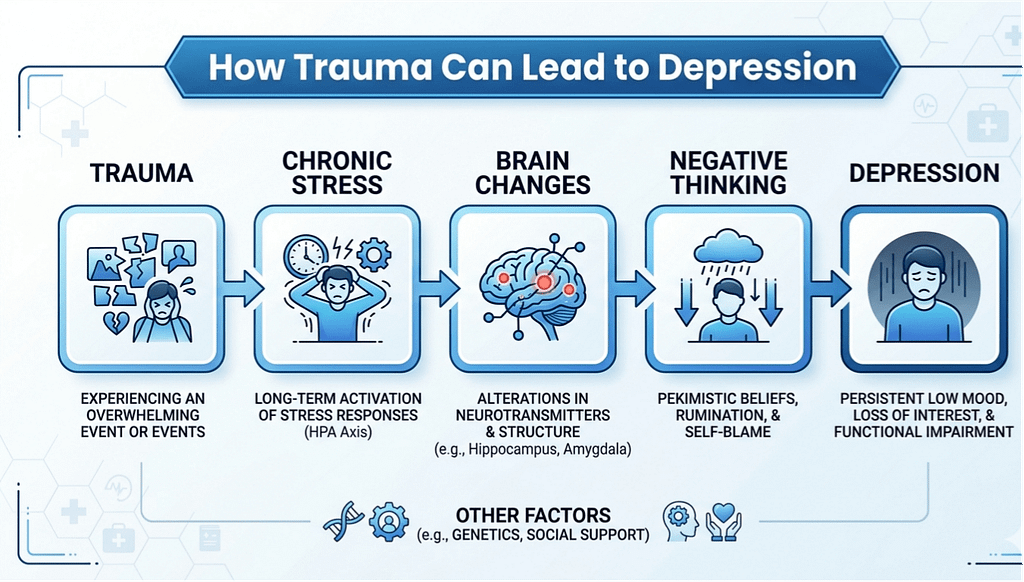
Then people ask, “Does Trauma Cause Depression?” The answer is yes, trauma can increase the risk of depression. Difficult experiences such as childhood abuse, losing a loved one, accidents, violence, or other emotional hardships can affect how a person thinks, feels, and handles stress. However, not everyone who experiences trauma develops depression, and some people develop depression without any history of trauma.
Understanding the connection between trauma and depression can help you recognize the signs and seek support when needed. In this article, you’ll learn how trauma affects mental health, the link between childhood trauma and depression, whether head trauma can cause depression, common symptoms, and treatment options that may help.

Quick Answer: Does Trauma Cause Depression?
Yes, trauma can cause or contribute to depression. When a person goes through a painful experience, it can affect emotions, stress response, and even brain function. This may lead to sadness, low motivation, or emotional numbness. Signs of depression can appear soon after the trauma or sometimes years later, depending on the person.
Key Takeaways
• Trauma can increase the risk of depression.
• Childhood trauma can affect mental health later in life.
• Head injuries may contribute to depression.
• Depression can also occur without trauma.
• Therapy and professional support can help recovery.
What Is Trauma?
Trauma is a strong emotional response to a very stressful or painful event. It can happen when a person feels unsafe, helpless, or overwhelmed. Trauma does not affect everyone in the same way. It can leave a lasting impact on thoughts, emotions, and lead mental health challenges.
Emotional Trauma
Emotional trauma happens after deeply upsetting experiences such as abuse, loss of a loved one, betrayal, or long-term stress. It can lead to fear, sadness, trust issues, and emotional numbness over time.
Physical Trauma
Physical trauma is caused by serious injuries like accidents, violence, or medical emergencies. Even after the body heals, the mind may still feel stress, anxiety, or fear related to the event.
Childhood Trauma
Childhood trauma occurs during early life due to neglect, abuse, family conflict, or lack of emotional support. It can affect brain development, self-esteem, and relationships in adulthood.
Complex Trauma
Complex trauma happens after repeated or long-term traumatic experiences, often in close relationships. It can make a person feel unsafe, emotionally unstable, and disconnected from others over time.
How Does Trauma Cause Depression?
Changes in Brain Chemistry
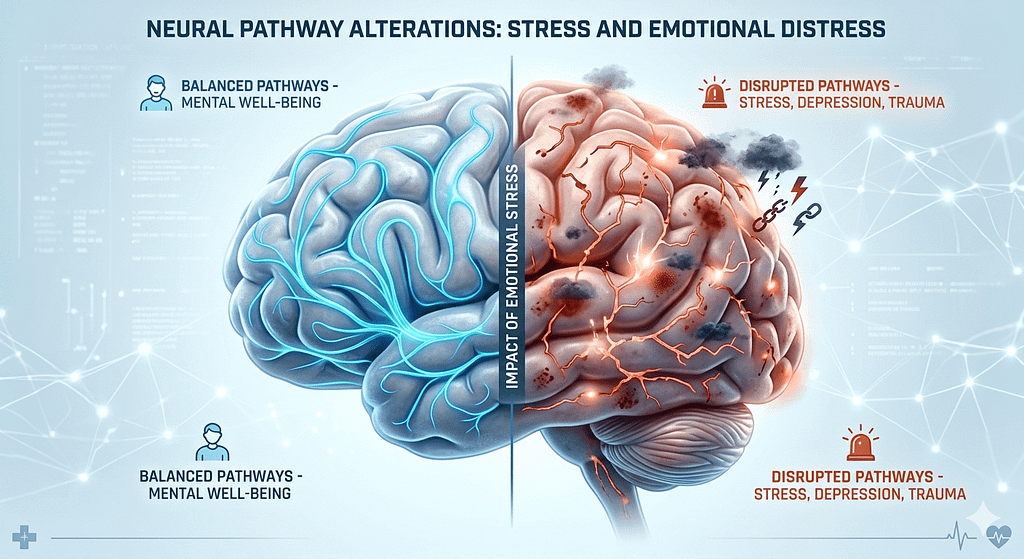
Trauma can affect brain chemicals that control mood, such as serotonin and dopamine. When these chemicals become unbalanced, a person may feel sad, low, or lose interest in daily life. Trauma becomes a major cause of depression
Long-Term Stress Response
After trauma, the body may stay in a constant “stress mode.” This keeps stress hormones high, which can lead to anxiety, fatigue, and eventually depression.
Negative Thinking Patterns
Trauma can change the way a person thinks. They may start blaming themselves, expecting bad outcomes, or feeling hopeless, which increases the risk of depression.
Emotional Numbness and Withdrawal
Some people feel emotional numbness after trauma. They may avoid people, lose interest in activities, and feel disconnected, which are common signs of depression.
Childhood Trauma and Depression
Childhood trauma can strongly increase the risk of depression later in life. Early painful experiences can affect emotional growth, self-confidence, and the way a person handles stress as an adult.
Abuse
Physical, emotional, or sexual abuse in childhood can lead to long-term sadness, fear, and trust issues. Many adults with this history struggle with low self-worth and depression.
Neglect
When a child does not receive proper care, attention, or emotional support, he may grow up feeling unloved or unimportant. This can increase emotional emptiness and depressive feelings.
Loss of a Parent
Losing a parent at a young age can create deep emotional pain and insecurity. It may lead to anxiety, sadness, and difficulty forming stable relationships later in life.
Family Conflict
Constant fighting, violence, or instability at home can make a child feel unsafe. This ongoing stress can affect mental health and increase the risk of depression in adulthood.
Research Findings
Studies show that childhood trauma can change brain development and stress response systems. People with early trauma history are more likely to develop depression, anxiety, and emotional regulation problems later in life.
Signs Childhood Trauma May Be Affecting Adults
Adults may experience low self-esteem, emotional numbness, trust issues, fear of abandonment, or sudden mood changes. These signs can indicate unresolved childhood trauma affecting current mental health.
Can You Have Depression Without Trauma?
Yes, you can have depression even without any trauma. Depression does not always come from painful life experiences. It can also develop due to biological, psychological, and health-related factors.
Genetics
Depression can run in families. If a close family member has depression, the risk may be higher due to inherited factors.
Brain Chemistry
Changes or imbalances in brain chemicals like serotonin and dopamine can affect mood, energy, and emotional stability.
Chronic Stress
Long-term stress from work, studies, or personal life can slowly build up and lead to emotional exhaustion and depression.
Medical Conditions
Certain illnesses, hormonal changes, or long-term health problems can also contribute to depression even without trauma.
Can Head Trauma Cause Depression?
Yes, head trauma can cause or increase the risk of depression. When the brain is injured, it can affect mood control, thinking, and emotional balance.
Brain Injuries and Mood Changes
Head injuries can disrupt how the brain processes emotions. This may lead to sadness, irritability, or mood swings after the injury.
Concussions and Depression
Even mild brain injuries can sometimes lead to depression. Symptoms may appear days, weeks, or even months after the injury.`
Recovery Challenges
Recovery can be slow and stressful. Ongoing headaches, fatigue, or memory issues can also increase emotional strain and lead to depressive feelings.
Brain Trauma and Depression: What Research Shows
Studies show a clear link between brain injuries and higher risk of depression. Changes in brain structure and stress response systems may contribute to long-term mood problems.
Can You Have Depression Without Trauma?
Yes, depression can develop even if a person has never experienced trauma. While trauma is a common risk factor, it is not the only cause of depression. Several other factors can affect mental health and increase the risk of developing depressive symptoms.
Genetics
Depression can run in families. People with a family history of depression may have a higher risk of developing the condition themselves.
Brain Chemistry
Brain chemicals help regulate mood, emotions, and motivation. Changes in these chemicals can contribute to depression, even without a traumatic experience.
Chronic Stress
Ongoing stress from work, finances, relationships, or other life challenges can slowly affect emotional well-being and increase the risk of depression.
Medical Conditions
Certain health conditions, chronic illnesses, hormonal imbalances, and some medications can contribute to depression by affecting both physical and mental health.
What Depression From Trauma Feels Like
Depression caused by trauma can feel different for everyone. Many people describe it as carrying emotional pain long after the traumatic event has ended. These feelings can affect daily life, relationships, and overall well-being.
Emotional Numbness
Some people feel emotionally numb. They may feel disconnected from themselves, other people, or activities they once enjoyed.They may feel disconnected from themselves, other people, or activities they used to enjoy.
Sadness
A deep and ongoing feeling of sadness is common. Even positive events may not bring happiness or relief.
Guilt
Many trauma survivors blame themselves for what happened, even when it was not their fault. This guilt can contribute to depression and low self-esteem.
Fear
Trauma can leave people feeling constantly worried or unsafe. They may fear that something bad will happen again, even when there is no immediate danger.
Difficulty Trusting Others
After a traumatic experience, it can be hard to trust people. Some individuals avoid relationships or struggle to open up emotionally.
Loss of Motivation
Everyday tasks may feel overwhelming. People may lose interest in work, hobbies, social activities, or goals they once cared about.
Memory Loss From Depression and Trauma
Depression and trauma can affect how the brain processes, stores, and recalls information. Many people experience memory problems, difficulty concentrating, and mental fatigue during periods of emotional distress.

Why Concentration Suffers
When the brain is focused on stress, sadness, or emotional pain, it becomes harder to pay attention. This can make learning, reading, or completing tasks more difficult.
Brain Fog
Many people describe a feeling known as “brain fog.” It can make thinking seem slow, unclear, or mentally exhausting. Even simple decisions may take more effort than usual.
Forgetfulness
Depression and trauma can make it easier to forget appointments, conversations, names, or everyday tasks. This forgetfulness is often linked to stress and difficulty concentrating rather than permanent memory loss.
Impact on Daily Life
Memory and concentration problems can affect work, school, and relationships. People may struggle to stay organized, follow conversations, or complete responsibilities, which can increase frustration and emotional stress.
Trauma Counseling for Anxiety and Depression
Trauma counseling can help people understand and process difficult experiences that may contribute to anxiety and depression. Different therapy approaches are used depending on a person’s needs and symptoms.
Cognitive Behavioral Therapy (CBT)
CBT helps people identify negative thought patterns and replace them with healthier ways of thinking. It is commonly used to treat both depression and anxiety by improving coping skills and emotional regulation.
Trauma-Focused Therapy
Trauma-focused therapy is designed to help people safely process traumatic experiences. It focuses on understanding how trauma affects emotions, behaviors, and daily life while building healthier coping strategies.
EMDR (Eye Movement Desensitization and Reprocessing)
EMDR is a specialized therapy that helps people process distressing memories. It is often used for trauma-related conditions and may help reduce emotional reactions connected to painful experiences.
Supportive Counseling
Supportive counseling provides a safe and non-judgmental space to talk about feelings, challenges, and life experiences. It can help reduce emotional stress, improve self-awareness, and provide support during recovery.
When to Seek Professional Help
It is normal to feel sad or stressed after a difficult experience. However, if symptoms continue or begin affecting your daily life, it may be time to seek professional support.

Symptoms Lasting More Than Two Weeks
If feelings of sadness, hopelessness, anxiety, or emotional numbness continue for more than two weeks, it is important to speak with a mental health professional. Persistent symptoms may be a sign of depression or a trauma-related condition.
Daily Life Is Affected
Professional help may be needed if your symptoms make it difficult to work, study, sleep, concentrate, or take care of everyday responsibilities.
Relationship or Work Problems
Depression and trauma can affect communication, trust, and emotional connection. If your mental health is causing problems in relationships, social life, or job performance, professional guidance can help you develop healthy coping strategies and improve your quality of life.
Conclusion
Trauma and depression are closely connected, but trauma does not affect everyone in the same way. For many people, experiences such as childhood trauma, abuse, loss, or head injuries can increase the risk of developing depression by affecting emotions, stress responses, and overall mental well-being.
The good news is that recovery is possible. With the right support, healthy coping strategies, and professional treatment, many people learn to manage their symptoms and improve their quality of life. Whether depression is linked to trauma or other factors, seeking help is a positive step toward healing. Remember, you do not have to face depression alone—support and effective treatments are available
.If you or someone you know is experiencing symptoms of depression after trauma, consider speaking with a qualified mental health professional. Early support can make recovery easier and improve long-term well-being.
Frequently Asked Questions
Does trauma cause depression later in life?
Yes, trauma can contribute to depression later in life. Some people develop symptoms months or years after a traumatic event. Unresolved emotional stress can affect mental health over time.
Can childhood trauma cause depression in adulthood?
Yes, childhood trauma can increase the risk of depression in adulthood. Experiences like abuse, neglect, or family conflict may have long-lasting emotional effects. However, not everyone with childhood trauma develops depression.
Can you have depression without trauma?
Yes, depression can occur without trauma. Genetics, brain chemistry, chronic stress, and medical conditions can all contribute to depression. Trauma is only one of many possible risk factors.
Does depression go away with time?
Sometimes mild depression improves with time, but not always. Without support, symptoms may continue or worsen. Professional help can improve recovery and long-term outcomes.
Is depression treatable?
Yes, depression is highly treatable. Therapy, healthy lifestyle changes, support systems, and medication can help many people recover. Early treatment often leads to better results.
Can depression affect memory?
Yes, depression can affect memory and concentration. Many people experience brain fog, forgetfulness, and difficulty focusing. These symptoms often improve as depression is treated.
What is the difference between trauma and depression?
Trauma is a response to a distressing event, while depression is a mental health condition. Trauma can increase the risk of depression, but the two are not the same. A person can experience one without the other.

Sameya Salman is a writer at The Fit & Fresh who researches and writes about mental health and emotional well-being, with a focus on making topics like high-functioning depression easy to understand. She researches each article using trusted mental health sources to help readers recognize symptoms, understand treatment options, and feel less alone.