
Learn the key differences between PTSD vs depression, symptoms, causes, diagnosis, treatment options, and when to seek professional help.
In this Blog
PTSD vs Depression: What’s the Difference?
Have you been wondering whether your symptoms are caused by PTSD or depression? You’re not alone. These mental health conditions share symptoms such as sadness, sleep problems, low energy, and difficulty concentrating. Some people may even experience both conditions at the same time.
When comparing PTSD vs Depression, the main difference is that post-traumatic stress disorder (PTSD) develops after experiencing or witnessing a traumatic event, while depression is a mood disorder that can occur with or without trauma. Although their symptoms often overlap, their causes, diagnosis, and treatment approaches are different.
In this guide, you’ll learn the key differences between PTSD vs Depression, including their symptoms, causes, diagnosis, treatment options, and whether both conditions can occur together.
Medical Disclaimer: This article is for educational purposes only. It is not intended to diagnose, treat, or replace professional medical advice. If you think you may have PTSD, depression, or another mental health condition, consult a qualified mental health.
PTSD vs Depression Symptoms: How They Compare
| PTSD Symptoms | Depression Symptoms | Shared Symptoms |
| Flashbacks or past painful memories | Persistent sadness or low mood | Sleep problems |
| Trauma-related nightmares | Feelings of hopelessness | Fatigue or low energy |
| Avoiding trauma reminders | Loss of interest in activities | Difficulty concentrating |
| Hypervigilance (feeling constantly on guard) | Feelings of worthlessness or excessive guilt | Irritability |
| Easily startled | Changes in appetite or weight | Social withdrawal |
| Emotional numbness or detachment | Slowed thinking or movement | Loss of motivation |
| Intense fear or anxiety related to trauma | Frequent crying or emotional emptiness | Difficulty performing daily tasks |
| Distress when exposed to trauma triggers | Suicidal thoughts (in severe cases) | Feelings of guilt |
PTSD vs Depression and Anxiety: Can They Occur Together?
Yes, PTSD, depression, and anxiety can occur at the same time, and this is actually very common in mental health cases. When a person experiences trauma, the brain can stay in a long-term “alert mode,” which leads to PTSD symptoms like flashbacks. At the same time, ongoing stress and emotional pain can also trigger depression (low mood, hopelessness) and anxiety (constant worry, fear, and overthinking). Because these conditions overlap, many people are diagnosed with more than one condition together, which is why proper evaluation from a mental health professional is important.
What Causes PTSD and Depression?
Both PTSD and depression develop due to emotional, psychological, and biological factors. While PTSD is mainly linked to trauma, depression can develop even without a specific traumatic event. However, when trauma is involved, the risk of both conditions increases significantly. Understanding the causes helps identify early signs and seek timely support.
Causes of PTSD
PTSD (Post-Traumatic Stress Disorder) develops after experiencing or witnessing a painful event. The brain struggles to process the event, leading to long-term emotional stress.
Common causes include:
- Physical or emotional abuse
- Serious accidents or injuries
- Military combat or war exposure
- Natural disasters (earthquakes, floods, etc.)
- Sudden loss of a loved one
- Violence, assault, or threats to safety
These experiences can make the brain stay in a “survival mode,” leading to fear-based responses even when the danger is gone.
Causes of Depression
Depression can develop from multiple factors, not always linked to trauma. It often involves changes in brain chemistry and emotional regulation.
Common causes include:
- Imbalance in brain chemicals (serotonin, dopamine)
- Chronic stress from work, school, or relationships
- Family history of depression
- Medical conditions or hormonal changes
- Long-term loneliness or isolation
- Major life changes (loss, breakup, financial stress)
Depression can also appear gradually, making it harder to notice in early stages.
Risk Factors for Developing Both
Some people are more vulnerable to developing both PTSD and depression at the same time, especially after trauma.
Key risk factors include:
- History of childhood trauma or abuse
- Lack of emotional support after a traumatic event
- Pre-existing anxiety or mood disorders
- Ongoing stress or unstable living conditions
- Genetic vulnerability to mental health conditions
- Exposure to repeated or long-term trauma
When PTSD and depression occur together, symptoms can feel more intense, including emotional numbness, hopelessness, and difficulty coping with daily life.
Complex PTSD vs Depression
What Is Complex PTSD?
Complex PTSD is a mental health condition that develops after long-term or repeated traumatic experiences, especially when escape feels difficult or impossible. This often includes ongoing abuse, neglect, or chronic emotional harm.
Complex PTSD symptoms include:
- Emotional flashbacks (feeling like the trauma is happening again)
- Difficulty controlling emotions
- Deep feelings of shame or guilt
- Trust issues in relationships
- Negative self-image (“I am worthless” or “I am broken”)
- Trouble feeling safe, even in normal situations
Unlike regular PTSD, C-PTSD is more related to long-term emotional impact rather than a single traumatic event.
How Complex PTSD Differs from Depression
| Feature | Complex PTSD (C-PTSD) | Depression |
|---|---|---|
| Main Cause | Long-term or repeated trauma (abuse, neglect, chronic stress) | Can develop with or without trauma |
| Core Issue | Trauma-based emotional and psychological response | Persistent mood disorder |
| Emotional State | Intense fear, shame, emotional instability | Ongoing sadness, emptiness, hopelessness |
| Flashbacks | Common (emotional or sensory trauma memories) | Not present |
| Triggers | Trauma reminders or emotional triggers | No specific trigger required |
| Self-Image | Deep feelings of guilt, shame, or “brokenness” | Low self-esteem or worthlessness |
| Relationships | Difficulty trusting others due to trauma | Social withdrawal due to low mood |
| Emotional Response | Strong emotional reactions or numbness after triggers | General emotional low or flat mood |
| Physical Symptoms | Hypervigilance, sleep issues, anxiety spikes | Fatigue, sleep changes, low energy |
| Treatment Focus | Trauma-focused therapy (e.g., EMDR, trauma counseling) | CBT, antidepressants, lifestyle support |
Clinical Depression vs PTSD
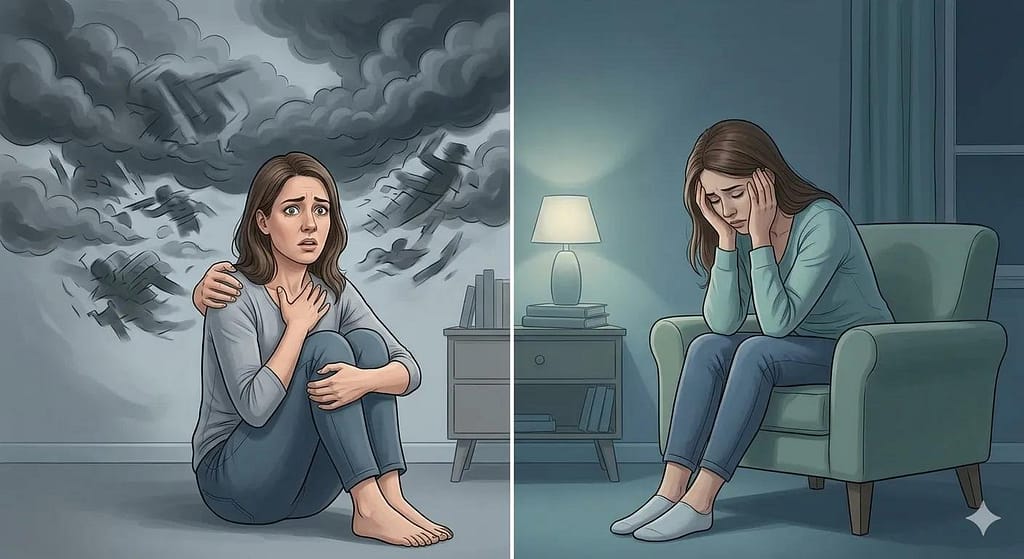
Although clinical depression and post-traumatic stress disorder (PTSD) can share symptoms like sadness, sleep problems, difficulty concentrating, and loss of interest in daily activities, they are different mental health conditions. Depression mainly affects mood, energy, and motivation, while PTSD develops after experiencing or witnessing a traumatic event and involves ongoing trauma-related symptoms.
Clinical Depression Symptoms vs PTSD: Key Differences
| Feature | Clinical Depression | PTSD (Post-Traumatic Stress Disorder) |
|---|---|---|
| Main Cause | Genetics, brain chemistry, chronic stress, medical conditions, or life events | Develops after experiencing or witnessing a traumatic event |
| Core Symptoms | Persistent sadness, hopelessness, fatigue, loss of interest, low motivation | Flashbacks, nightmares, intrusive memories, avoidance, hypervigilance |
| Emotional Experience | Ongoing low mood and emotional emptiness | Fear, anxiety, and distress related to trauma |
| Triggers | May occur with or without a specific trigger | Symptoms are often triggered by reminders of the traumatic event |
| Sleep Problems | Insomnia, oversleeping, or poor-quality sleep | Nightmares, interrupted sleep, and fear of sleeping |
| Effect on Daily Life | Difficulty working, studying, socializing, and enjoying activities | Avoidance of places, people, or situations linked to the trauma |
| Memory Issues | Poor concentration and brain fog | Difficulty remembering parts of the trauma or frequent intrusive memories |
| Treatment | Therapy, medication, lifestyle changes, and social support | Trauma-focused therapy, CBT, EMDR, medication when needed, and support |
Postpartum Depression vs PTSD
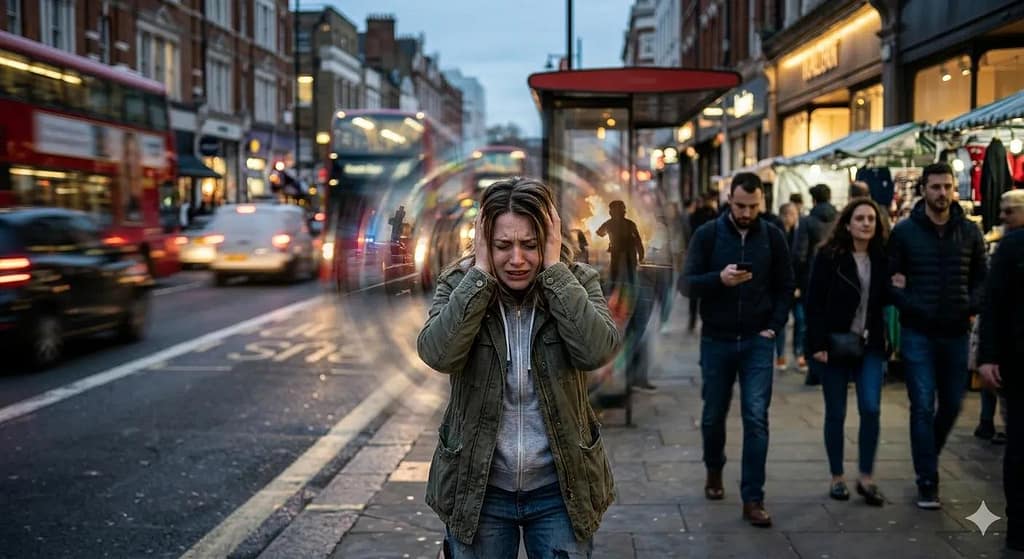
Childbirth can be physically and emotionally overwhelming. While many new parents experience temporary mood changes, some develop postpartum depression (PPD), while others develop post-traumatic stress disorder (PTSD) after a difficult or traumatic birth. Although these conditions can share symptoms, they have different causes and treatment approaches.
Key Differences Between the Two Conditions
| Feature | Postpartum Depression (PPD) | Postpartum PTSD |
|---|---|---|
| Main Cause | Hormonal changes, emotional stress, sleep deprivation, and other risk factors | A traumatic or frightening childbirth experience |
| Core Symptoms | Persistent sadness, hopelessness, fatigue, guilt, and loss of interest | Flashbacks, nightmares, avoidance, and hypervigilance |
| Emotional Focus | Low mood and difficulty enjoying motherhood | Fear and distress linked to the birth experience |
| Triggers | May occur without a traumatic birth | Symptoms are triggered by reminders of childbirth |
| Bonding With Baby | May feel emotionally disconnected or overwhelmed | May avoid discussing or thinking about the birth while bonding varies |
| Treatment | Therapy, social support, lifestyle changes, and medication when appropriate | Trauma-focused therapy, CBT, EMDR, and medication if needed |
How Are PTSD and Depression Diagnosed?
Mental health professionals diagnose PTSD and depression using clinical interviews, symptom history, and criteria outlined in the Diagnostic and Statistical Manual of Mental Disorders (DSM-5-TR). There is no blood test or brain scan that confirms either condition.
PTSD diagnosis requires exposure to a traumatic event and symptoms lasting longer than one month, including intrusive memories, avoidance, negative mood changes, and increased arousal.
Depression is diagnosed when symptoms such as persistent sadness, loss of interest, changes in sleep or appetite, fatigue, feelings of worthlessness, or suicidal thoughts are present most days for at least two weeks.
Treatment Options for PTSD and Depression
PTSD and depression are treatable conditions. A personalized treatment plan for depression and PTSD often combines therapy, healthy lifestyle habits, and, when needed, medication. Early treatment can reduce symptoms, improve daily functioning, and support long-term recovery.
Cognitive Behavioral Therapy (CBT)
Cognitive Behavioral Therapy (CBT) helps people identify and replace negative thought patterns with healthier ones. It also teaches practical coping skills to manage anxiety, depression, and stress. CBT is one of the most effective treatments for both PTSD and depression.
Trauma-Focused Therapy
Trauma-focused therapy is designed to help individuals safely process traumatic experiences instead of avoiding them. Over time, this approach can reduce emotional distress, improve coping skills, and lessen PTSD symptoms while also helping relieve depression.
EMDR Therapy
Eye Movement Desensitization and Reprocessing (EMDR) is a specialized therapy that helps the brain process traumatic memories. Guided eye movements or other forms of bilateral stimulation can reduce the emotional impact of distressing memories, making them less overwhelming over time.
Medication When Appropriate
Medication may be recommended when symptoms are moderate to severe or interfere with daily life. Antidepressants, particularly SSRIs, are commonly prescribed to help manage both PTSD and depression. Medication works best when combined with therapy and should always be taken under the guidance of a qualified healthcare counsellor.

Lifestyle Changes That Support Recovery
Healthy daily habits can complement professional treatment and improve emotional well-being. Helpful lifestyle changes include:
- Maintaining a regular sleep schedule.
- Exercising regularly to reduce stress.
- Eating a balanced, nutritious diet.
- Practicing mindfulness, meditation, or deep breathing.
- Staying connected with supportive family and friends.
- Avoiding alcohol and recreational drugs, which can worsen symptoms.
While recovery takes time, the right combination of therapy, healthy habits, and professional support can help many people regain emotional balance and improve their quality of life.
Conclusion
Trauma and depression are closely connected, but one does not always lead to the other. PTSD and depression may share symptoms, but they are different mental health conditions that require different approaches to diagnosis and treatment. PTSD develops after trauma and often includes flashbacks, nightmares, avoidance, and hypervigilance. Depression primarily affects mood, motivation, and daily functioning and may occur with or without trauma. Because these conditions can occur together, seeking an accurate diagnosis from a qualified mental health healthcare is essential. With appropriate therapy, healthy lifestyle changes, and, when needed, medication, recovery is possible for both conditions
Frequently Asked Questions
What are the 7 symptoms of PTSD?
The seven common symptoms of PTSD include intrusive memories, nightmares, flashbacks, avoidance, negative thoughts, emotional numbness, and hyperarousal (being constantly alert or easily startled). Symptoms usually last longer than one month and interfere with daily life. Not everyone experiences all seven symptoms.
What is the best therapy for PTSD?
The best therapy for PTSD is trauma-focused cognitive behavioral therapy (TF-CBT), often combined with EMDR (Eye Movement Desensitization and Reprocessing). These evidence-based treatments help people process traumatic memories and reduce distress. A mental health professional can recommend the most suitable approach.
What is the difference between PTSD and CPTSD?
PTSD usually develops after a single traumatic event, while Complex PTSD (CPTSD) results from repeated or long-term trauma. CPTSD includes PTSD symptoms along with ongoing difficulties in emotional regulation, self-esteem, and relationships. Both conditions require counselor treatment but may need different therapeutic approaches.
What happens when PTSD is triggered?
A PTSD trigger can cause the brain to react as if the traumatic event is happening again. This may lead to flashbacks, panic, intense fear, emotional distress, or physical symptoms like a racing heart and sweating. Triggers can include sounds, smells, places, or situations linked to the trauma.
Can PTSD turn into depression?
Yes, PTSD can lead to depression if symptoms remain untreated. Ongoing stress, sleep problems, emotional exhaustion, and social withdrawal can increase the risk of developing depression. Early treatment for PTSD may help reduce this risk.
Can someone have PTSD and depression at the same time?
Yes, many people experience PTSD and depression together. PTSD causes trauma-related symptoms, while depression brings persistent sadness, hopelessness, and loss of interest. Treating both conditions together often leads to better recovery.
Is PTSD a type of depression?
No. PTSD and depression are separate mental health conditions. PTSD develops after experiencing or witnessing trauma, while depression is a mood disorder that can occur with or without a traumatic event. However, many people experience both conditions together.
Which is harder to treat: PTSD or depression?
Neither condition is universally harder to treat. Recovery depends on symptom severity, access to treatment, social support, and individual circumstances. Both PTSD and depression often respond well to evidence-based therapies such as cognitive behavioral therapy (CBT), and some people also benefit from medication.
References
American Psychiatric Association. Diagnostic and Statistical Manual of Mental Disorders (DSM-5-TR).
National Institute of Mental Health (NIMH)
U.S. Department of Veterans Affairs – National Center for PTSD World Health Organization (WHO)
National Institute for Health and Care Excellence (NICE)

Sameya Salman is a writer at The Fit & Fresh who researches and writes about mental health and emotional well-being, with a focus on making topics like high-functioning depression easy to understand. She researches each article using trusted mental health sources to help readers recognize symptoms, understand treatment options, and feel less alone.