Discover the warning signs, social challenges, and relationship struggles linked to mental illness, and effective ways to rebuild stronger connections.
This article is for educational purposes only and is not intended to diagnose, treat, or replace professional mental health advice. If you are experiencing mental health concerns, seek guidance from a qualified healthcare professional.
In This Blog
Introduction: How Mental Illness Affects Friendships and Relationships?
Have you ever stopped replying to messages, avoided social gatherings, or felt disconnected from the people around you during a difficult time? Mental illness and emotional struggles can affect much more than your thoughts and feelings. They can also impact your relationships, communication skills, confidence, and sense of belonging.
Conditions such as anxiety, depression, and chronic stress often make social interactions feel overwhelming. Some people withdraw from friends and family, while others struggle to express their emotions or maintain healthy relationships. Over time, these challenges can lead to loneliness, misunderstandings, and social isolation.
Understanding how mental illness affects social health is important because strong social connections play a major role in emotional well-being and recovery. In this guide, you’ll learn how mental illness and emotional struggles influence social relationships, the warning signs to watch for, and practical ways to rebuild meaningful connections.
Key Takeaways
- Mental illness can affect friendships, family relationships, and social interactions.
- Anxiety and depression often lead to social withdrawal and loneliness.
- Poor social health can worsen emotional and mental health challenges.
- Strong social connections support recovery and emotional well-being.
- Small steps toward reconnection can improve both mental and social health.
Mental Illness, Emotional Struggles & Social Health
Mental Illness
Mental illness refers to clinically recognized conditions that affect a person’s thoughts, emotions, behaviors, and daily functioning. Examples include anxiety disorders, depression, bipolar disorder, and other mental health conditions.
Emotional Struggles
Stress, grief, or burnout are included in emotional disorders. Emotional struggles or mental illness are closely connected, as these affect how we feel or communicate with others. It interferes with an individual’s communication, psychological balance, confidence, or trust in social settings.
Social Well-Being
Social health is a part of our wellness that we have forgotten. It tells us how we maintain our relationships. It discusses how we connect with our family, friends, or colleagues. Individuals with good social health express their feelings openly or manage conflicts easily, while individuals with poor social health create isolation, alienation, misunderstandings, or disconnection.
Why People Withdraw During Emotional Struggles?
Mental illness causes depression, anxiety, or trauma in individuals, or they withdraw from people, which badly affects their social health. When someone avoids social interactions, such as not replying to a message, not meeting a friend, or not joining a conversation, and finds it exhausting, their social health is affected badly. This isolation is not chosen due to a lack of care, but rather because of fear or self-protection. When the individual looks for an escape, or when social connections are weak, then symptoms of mental illness appear.Many people experiencing Signs of High-Functioning Depression continue meeting responsibilities while silently withdrawing from social connections.
- How anxiety/depression distorts social perception:
Mental or emotional illness not only affects our feelings but also weakens our communication skills. Anxiety or depression creates emotional numbness in people, which confuses our loved ones. These communication barriers create misunderstandings in our relationships. Friends, family members or coworkers get pushed away because of our silence or rudeness. We lose our trust and weaken our relationships.
Also Read Here!
Psychological Disorder in the Film “Donnie Darko”: Read Here Today!
Emotional Struggles and Their Specific Social Consequences
- Mood Swings, Irritability, Misunderstandings:
Emotional struggles are the main reason for downfall. Mood swings, emotional triggers, and anxiety can affect communication and decision-making. That’s why we are unappreciative of making friends or facing emotional burnout. Many people take our behavior seriously and create tension. Due to this, our relationships become weak.
- Low Self-Esteem and Fear of Rejection:
Emotional illness, along with mood changes, creates shame, guilt, or fear of judgment in individuals. Many people hide their pain to avoid upsetting others. This self-protection creates emotional distance, and they don’t want to connect with anyone.
Low self-esteem can make people feel weak, unworthy, or uncomfortable. They believe that they don’t deserve love, support, or friendship, which can give rise to negative emotions.
Stigma can affect social health and can be a barrier. It can make people feel uncomfortable sharing their feelings with others, eliminating the fear of being labeled as inferior.
During recovery, some individuals find comfort in meaningful symbols. Learn about Mental Health Recovery Symbols and how they can represent healing and resilience.
Evidence & Research Highlights: What Studies Show
- Strong Links Between Social Health & Mental/Emotional Illness
A scientific evidence Danish study of 19,890 adolescents found that loneliness or social alienation is associated with poor mental health. Symptoms like Depression, anxiety, or long-term mental disorders are highlighted in it. PubMed
A systematic review of mental disorders shows that approximately 59.1% of people experience loneliness, and 63% experience social isolation. The proportion of social isolation is very high. PMC+1
Studies have shown that poor social health is strongly linked to mental and emotional disorders.
Building social support systems is an important part of recovery. Programs focused on Anchoring Hope for Mental Health demonstrate how connection and support can improve well-being.
- How Social Health Affects Outcomes & Recovery
A longitudinal review of 34 studies found that lower perceivedsocial support or greater loneliness at baseline tended to predict greater symptom severity, poorer recovery/remission, and worse functional outcomes for people with depression, bipolar disorder, or anxiety.BioMed Central
During the COVID-19 era, Pakistani studies found positive associations between social isolation and mental illness. Isolation or resilience was found in a negative association. jmedsci.com
In short, ignoring social health not only creates mental and emotional illnesses but also makes recovery and healing more difficult.
The Hidden Impact on Friendships and Relationships
- Relationships:
Mental illness weakens our close bonds. Depression is a major cause of social isolation, and anxiety leads to overthinking or emotional disorders, which create a distance between our loved ones and us. Due to these problems, our social interaction bond breaks, or our emotional distance increases. Explore Mental Health Services to build a strong relationship.
- Community and Participation:
Many people silently leave to attend events or engage in social activities. This withdrawal increases the level of loneliness or alienation. Research shows that many people with depression lack community engagement. Social isolation is very important for emotional or mental well-being.
- Sense of Belonging and Identity:
Due to emotional or mental struggles, you feel disconnected. Empathy, or shared experience, can play a great role in rebuilding confidence or connection.
Can Social Isolation Make Mental Health Worse?
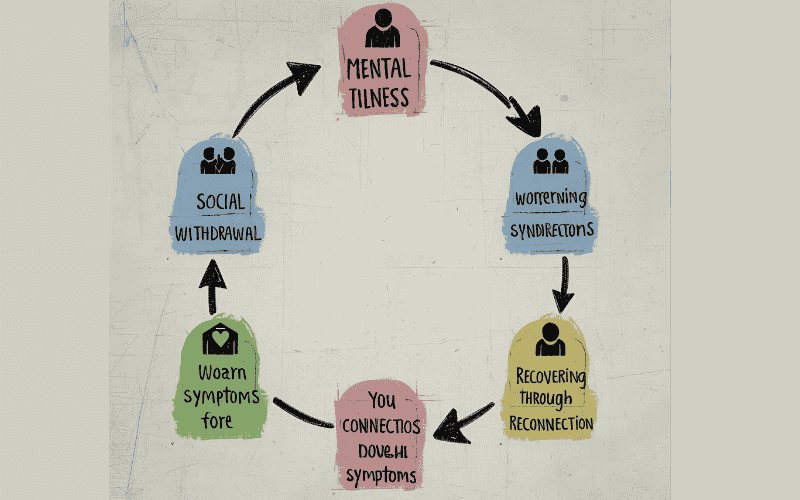
- The Downward Spiral: From Isolation to Emotional Decline
When anyone enters isolation due to mental or emotional illness, it feels only a small step, like not attending calls, not going to get together, or not participating in conversations. But these small steps create a pattern of social isolation that destroys mental health badly.
Here’s how it happens:
Withdrawal reduces social support:
Not having social interaction makes a person lose emotional feelings or confidence, which creates an element of stress in their mood.
Loneliness increases negative thoughts:
When an individual is isolated, negative feelings come into his mind, and he has some kind of fear. This fear creates stress hormones in him, and he faces anxiety, depression, or fatigue.
Symptoms intensify:
Symptoms of depression and anxiety may worsen over time
Breaking the Cycle: Reconnection as a Path to Healing
Can the cycle of social isolation be broken? Yes, only small steps can be a source of reconnection.
Start with one safe connection:
Share your feelings with someone you trust. That person could be your friend, sibling, or counselor. This will boost your confidence.
Join low-pressure communities:
Adapting to support groups, hobby clubs, or different activities without the fear of being separated can help you build better social connections.
Practice self-compassion:
Just as social isolation destroys a person, similarly, social healing is a time-consuming process. Each conversation, message, or small step is a ladder of progress.
Real Stories & Testimonials – Human Experiences That Prove the Connection
Emma’s Story: Depression and the Silent Drift Away
“At first, I just stopped replying to messages because I didn’t know what to say. I told myself people wouldn’t notice. But weeks turned into months, and I realized I’d pushed everyone away.” — Emma, 29
Emma’s story is very popular. After being diagnosed with depressive disorder, Emma preferred to isolate herself so that she could not talk to others. Her silence even pushed her friends away from her. When she joined an online support group, her life reached a turning point. By communicating and talking with others, she rebuilt her confidence and got her life back on track.
David’s Story: Anxiety, Self-Doubt, and Relationship Strain
“I’d rehearse every conversation in my head, terrified I’d say something stupid. Eventually, I just stopped going out altogether.” — David, 35
David’s social anxiety meant he wouldn’t attend gatherings or stay away from his close friends. Isolation could destroy his self-esteem and emotional struggles.
With therapy and gradual exposure techniques, he started facing his fears—one small step at a time. Re-engaging socially didn’t just ease his anxiety; it helped him rediscover joy in human connection.
Therapies helped him take one small step by facing his fears. By reengaging with people, he could overcome his anxiety and feel joy by connecting with humans.
Practical Ways to Rebuild Social Connections
Strengthen One-on-One Connections
When you are going through emotional struggles, you also feel exhausted in gatherings. So start by taking small steps. Share your feelings with a trusted person who listens without judging you. Honest conversations reduce feelings of alienation and make the individual’s social interaction better.
📘 Research Insight: A study from the Journal of Social and Clinical Psychology (2020) found that even daily 15 minutes of significant social interaction can better mood and reduce symptoms of depression.
Try this:
- Schedule a weekly check-in call with a friend.
- Check your social interaction with your siblings, friends, and colleagues weekly.
- Write a message or note to express your feelings.
- Be honest about your feelings and emotions, and create a stronger bond with each other.
Join Supportive Communities
Join supportive communities online or offline. Mental Health communities, different organizations, or clubs in which you can share your feelings better.
Research Insight: According to Frontiers in Psychology (2023), People who join online supportive groups have 25% improved performance compared to those who seek treatment online through medication.
Try this:
- Join local or online support groups to reduce anxiety, depression, or grief.
- Join your interest-based communities like art, books, gardening, etc.
- Helping others builds empathy and meaning.
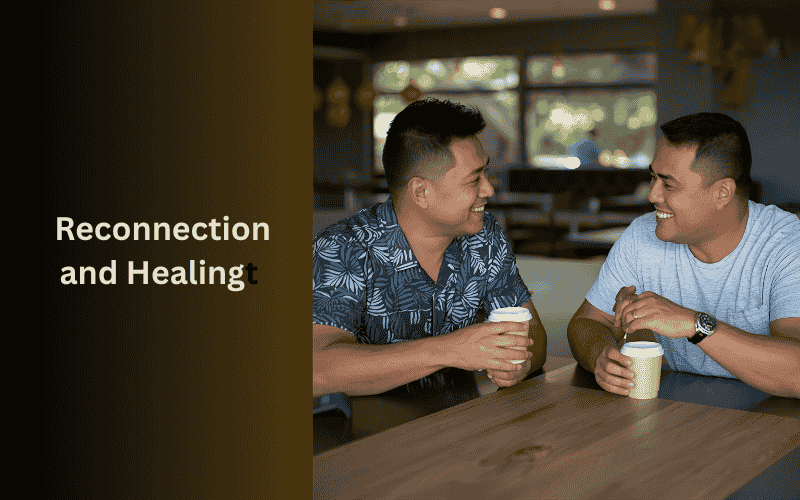
Prioritize Self-Compassion and Rest
Healing does not happen immediately, but it is a time-consuming process. When you show self-compassion, you do not feel shame, which creates a social reconnection problem.
Try this:
- Replace self-criticism with self-understanding.
- Practice mindfulness or journaling to process emotions.
- Celebrate progress — even one step toward connection counts.
Conclusion: A Final Look Here!
Mental illness can affect much more than emotional well-being—it can influence friendships, family relationships, workplace interactions, and a person’s sense of belonging. Recognizing the connection between mental health and social health is an important step toward recovery. With support, self-compassion, and meaningful social connections, individuals can rebuild relationships and improve their overall quality of life.
Frequently Asked Questions
How does mental illness affect social health?
Mental illness can make it difficult to maintain relationships, communicate effectively, and participate in social activities. Conditions such as anxiety and depression often lead to social withdrawal, loneliness, and reduced confidence in social situations.
What are the signs that mental illness is affecting social relationships?
Common signs include avoiding social events, withdrawing from friends and family, difficulty communicating, fear of rejection, and feeling disconnected from others. These changes can gradually weaken personal and professional relationships.
Why is social health important for mental well-being?
Social health provides emotional support, a sense of belonging, and stronger coping skills during difficult times. Healthy relationships can reduce stress, improve resilience, and contribute to better mental and emotional well-being.
Can anxiety affect social relationships?
Yes, anxiety can affect social relationships by making people fear judgment, rejection, or embarrassment. This may lead to avoiding conversations, social events, or forming new connections. Over time, relationships can become strained due to reduced communication.
Can depression cause social withdrawal?
Yes, depression often causes social withdrawal by reducing energy, motivation, and interest in social activities. People may avoid friends, family, and gatherings because they feel emotionally exhausted. This can increase feelings of loneliness and isolation.
How can I improve my social health?
You can improve your social health by staying connected with supportive people and maintaining regular communication. Joining community groups, hobbies, or support networks can also help. Small social interactions can strengthen relationships and improve emotional well-being.
Why do people isolate themselves when struggling emotionally?
People often isolate themselves because emotional struggles can make social interactions feel overwhelming. Feelings of sadness, anxiety, shame, or low self-esteem may cause them to withdraw from others. Isolation may feel protective, but it can make emotional difficulties worse over time.

Sameya Salman is a writer at The Fit & Fresh who researches and writes about mental health and emotional well-being, with a focus on making topics like high-functioning depression easy to understand. She researches each article using trusted mental health sources to help readers recognize symptoms, understand treatment options, and feel less alone.