
(This article is for informational purposes only and does not provide medical advice, diagnosis, or treatment. Always consult a qualified healthcare professional for personal mental health concerns.)
Compare high-functioning depression vs clinical depression. Learn the key differences, symptoms, daily impact, and when to seek professional support.
In This Blog
Introduction
Many people search for high-functioning depression vs clinical depression because they want to understand why they feel emotionally exhausted, even though they can still manage their daily life. Others may struggle to get out of bed, lose interest in everything, or find it difficult to work or care for themselves. Both experiences can be linked to depression, but they are not exactly the same.
In simple terms, high-functioning depression is a term often used for people who continue working, studying, or caring for others while quietly living with ongoing depressive symptoms. Clinical depression is also called major depressive disorder.It is a diagnosed mental health condition that can have a greater impact on a person’s mood, thinking, and ability to function.
This guide explains the key differences, common symptoms, and when it may be time to seek professional support.
| High-functioning depression and clinical depression are different but related concepts. High-functioning depression is an informal term for people who continue managing daily responsibilities despite ongoing depressive symptoms. Clinical depression (major depressive disorder) is an officially diagnosed condition that often has a greater impact on mood, thinking, and daily functioning. |

High-Functioning Depression vs Clinical Depression: Simple Comparison
| Area of Experience | High-Functioning Depression | Clinical Depression |
| Daily life | Most responsibilities are still handled | Daily tasks often feel hard to manage |
| Work and productivity | Productivity continues, often driven by pressure | Work performance may decline or stop |
| Emotional state | Feels numb, drained, or emotionally weak | Feels persistently sad, heavy, or low |
| Motivation | Comes from obligation, not enjoyment | Motivation is often very low |
| Outside appearance | Appears stable, capable, or successful | Struggle is more visible to others |
| Inner experience | Constant mental effort to “keep going.” | Feeling overwhelmed or emotionally weighed down |
| Rest and recovery | Rest feels difficult or guilt-filled | Rest may not bring relief |
| Likelihood of seeking help | Often delayed or avoided | More likely to seek help earlier |
| How it’s understood | Frequently misunderstood or minimized | More commonly recognized as a concern |
High-Functioning Depression vs Clinical Depression
Ability to Function Day-to-Day
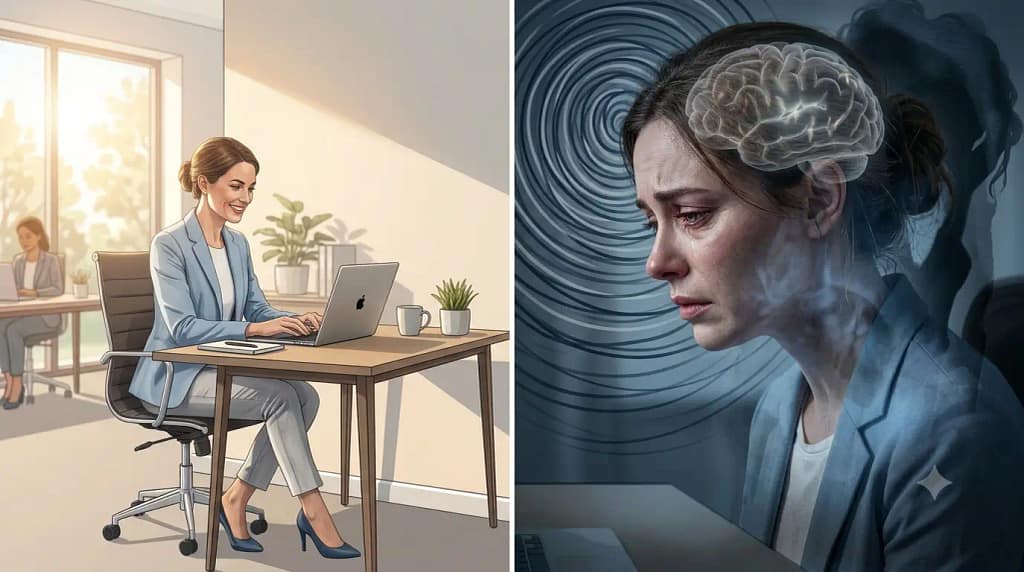
People often use the term “high-functioning depression” when someone continues to work, study, and meet responsibilities despite feeling emotionally low. Life may look stable on the outside, even though it feels exhausting on the inside.
On the other hand, daily tasks are more likely to feel difficult with clinical depression. Getting through work, managing routines, or staying focused can become a real challenge in this situation.
Emotional Experience Over Time
High-functioning depression is often described as emotional numbness rather than deep sadness. People may feel mentally tired, disconnected, or under constant pressure to keep going. Joy feels muted, even during positive moments.
Whereas clinical depression usually involves a heavier emotional experience. Persistent sadness, emptiness, or hopelessness may last for weeks or longer. It can feel harder to push aside.
How Others Usually Perceive It
High-functioning depression is frequently misunderstood because the person appears to be “doing well.” Others may see productivity and responsibility, but they don’t realize the emotional effort he puts into performing the function.
However, clinical depression is more noticeable. Changes in mood, energy, or behavior are often visible. It is easier for others to recognize that someone is struggling.
Likelihood of Seeking Help
People with high-functioning depression often delay seeking support. Many tell themselves their struggles are not serious enough. They believe they should be able to handle things on their own.
Those who face clinical depression may seek help sooner because symptoms interfere more clearly in their daily life. The impact becomes harder to ignore.
In both cases, reaching out for support is a healthy and valid step.
Can High-Functioning Depression Turn Into Clinical Depression?
Yes, it is possible, but it does not happen to everyone. High-functioning depression is not an official medical diagnosis, but ongoing depressive symptoms can become more severe over time if they are not addressed. Long-term stress, major life changes, lack of support, or untreated mental health concerns may increase the risk of symptoms getting worse.
However, many people improve with the right support. Healthy habits, therapy, stress management, and early professional care can help prevent symptoms from becoming more serious. If you notice that sadness, hopelessness, or loss of interest is making daily life harder, it is important to speak with a qualified mental health professional.
Can You Have Both?
Yes, in some situations. High-functioning depression is a term used to describe someone who continues working, studying, or caring for others despite ongoing depressive symptoms. But if someone faces high-functioning depression for a long time, hw can also face clinical depression.
It is important not to diagnose yourself based on online information. Many mental health conditions can have similar symptoms. Only a licensed healthcare or mental health professional can evaluate your symptoms, make an accurate diagnosis, and recommend the most appropriate support or treatment.
According to Mayo Clinic, clinical depression can affect the way a person feels, thinks, and behaves. Without proper treatment, symptoms may continue for weeks, months, or even longer and can interfere with work, relationships, and daily life.
How Both Conditions Affect Daily Life
Whether someone is living with high-functioning depression or clinical depression, both can affect much more than mood. They can influence how a person thinks, feels about themselves, connects with others, and handles everyday responsibilities. Although the effects may look different, both deserve understanding and support.
Self-Worth
Someone with high-functioning depression may believe they are only “good enough” when they are productive or successful. A person with clinical depression may struggle with constant feelings of worthlessness or guilt, even when they have done nothing wrong. Over time, these thoughts can reduce self-confidence and make it harder to recognize personal strengths.
Identity
Depression can change how people see themselves. Someone who was once confident, motivated, or outgoing may begin to feel emotionally distant from the person they used to be. They may wonder, “Why don’t I feel like myself anymore?” This loss of identity can happen in both high-functioning and clinical depression, even if it looks different from the outside.
Relationships
Depression can make it difficult to stay emotionally connected with family, friends, or a partner. People with high-functioning depression often hide their feelings to avoid worrying others, while people with clinical depression may withdraw because they feel emotionally or physically exhausted. In both cases, communication may become harder, leading to misunderstandings or loneliness.
Emotional Well-Being
Living with ongoing depression can make everyday life feel more difficult. Small challenges may seem overwhelming, and moments of happiness may not feel as enjoyable as they once did. Without the right support, emotional stress can continue to build, affecting overall well-being and quality of life. Seeking help early can make it easier to manage these feelings and improve emotional health over time.

Is One More Serious Than the Other?
Why Emotional Pain Cannot Be Ranked
Emotional pain is deeply personal. There is no clear scale for measuring emotional distress, mental strain, or inner pain.
When people try to compare their suffering, they often minimize their own feelings. They may think their pain is “not bad enough” to deserve attention. This mindset can delay emotional support and increase mental exhaustion over time.
Functioning Does Not Equal Emotional Health
A common misunderstanding is believing that being productive means being emotionally healthy. This is not always true. Many people with high-functioning depression continue to work, care for others, and meet expectations while feeling empty inside.
On the other hand, people with clinical depression may struggle to function at the same level.
This difference in functioning does not mean one experience is more serious than the other.
Why Both Experiences Deserve Care and Attention
Both high-functioning depression and clinical depression can affect self-worth, relationships, and quality of life. Both can lead to long-term stress, burnout, or emotional withdrawal if ignored.
When someone appears “okay,” it does not mean they are living a healthy life. When someone struggles openly, it does not mean their pain is greater. Both experiences deserve understanding, compassion, and appropriate care.
When Should You Seek Professional Help?
Everyone feels stressed or emotionally low from time to time. However, if these feelings do not improve or begin affecting your daily life, it may be time to seek professional support.
You should consider talking to a mental health professional if:
- Your symptoms last for two weeks or longer.
- You find it difficult to focus at work or school.
- Your relationships with family or friends begin to suffer.
- You often feel hopeless, emotionally empty, or lose interest in activities you once enjoyed.
- You are unsure why you feel this way, and your symptoms keep returning despite getting enough rest or making lifestyle changes.
Seeking help early does not mean your symptoms are severe. It simply gives you the opportunity to understand what you are experiencing and receive the right support before it starts affecting more areas of your life.
According to the National Institute of Mental Health (NIMH), if symptoms of depression last for most of the day, nearly every day, for at least two weeks, they may indicate a depressive disorder that should be evaluated by a healthcare professional.

Trusted Mental Health Organizations
Reliable organizations offer clear, research-based information. They focus on education, not labels.
Trusted sources include:
These organizations help people understand emotional health in a safe and responsible way.
Conclusion
Understanding the difference between high-functioning depression and clinical depression can help you recognize that depression does not look the same for everyone. Some people continue meeting daily responsibilities while quietly struggling inside, while others find it difficult to manage everyday life because their symptoms are more noticeable. Neither experience should be ignored or compared—both can have a real impact on emotional well-being, relationships, and quality of life.
If you have been feeling emotionally tired, persistently sad, or disconnected for two weeks or longer, consider speaking with a qualified mental health professional. Early support can make a meaningful difference. Remember, asking for help is not a sign of weakness—it is a positive step toward understanding your mental health and finding the support you deserve.
Frequently Asked Questions
Is high-functioning depression the same as clinical depression?
No. “High-functioning depression” is an informal term, while “clinical depression” is a diagnosed medical condition. A person can function well and still feel emotionally distressed.
What is a high-functioning depressive?
A high-functioning depressive is someone who manages daily life but feels emotionally low, exhausted, or disconnected inside.
What is another name for high-functioning depression?
There is no official medical name. It is sometimes linked to persistent depressive disorder, also called hidden or smiling depression.
What are the four types of depression?
Common types include major depressive disorder, persistent depressive disorder, seasonal affective disorder, and postpartum depression.

Sameya Salman is a writer at The Fit & Fresh who researches and writes about mental health and emotional well-being, with a focus on making topics like high-functioning depression easy to understand. She researches each article using trusted mental health sources to help readers recognize symptoms, understand treatment options, and feel less alone.