
Learn the top causes of high-functioning depression, including stress, trauma, perfectionism, and genetics. Know the warning signs and when to seek help.
In This Blog
What causes high-functioning depression?
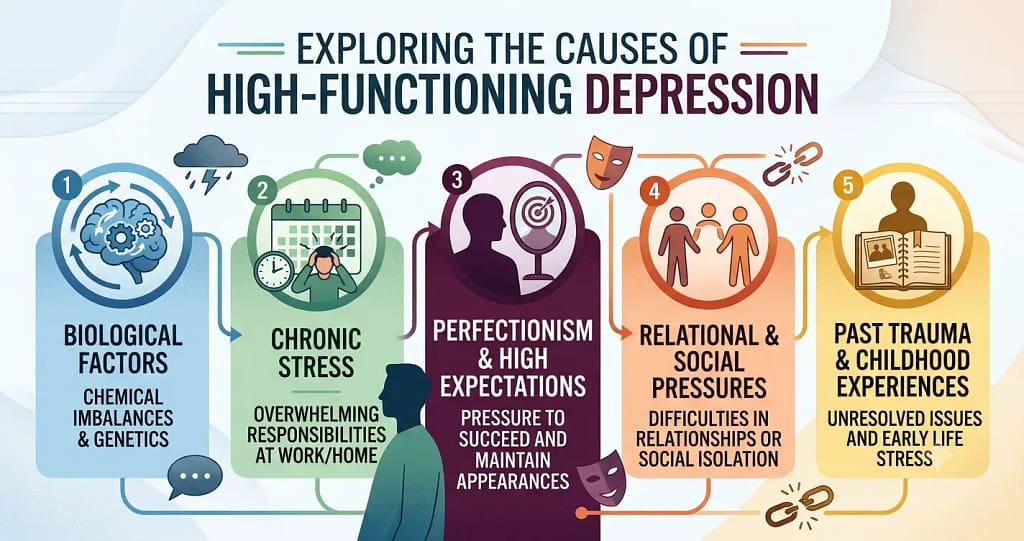
High-functioning depression is usually caused by a combination of genetics, brain chemistry, chronic stress, perfectionism, childhood trauma, burnout, emotional suppression, hormonal changes, and lack of emotional support. These factors often work together rather than acting alone. The American Psychiatric Association explains that depression develops from a combination of biological, psychological, and environmental factors.
In this guide, we’ll explore the most common causes of high-functioning depression, how these factors can overlap, and when it may be time to seek support.
Key Takeaways
- High-functioning depression can affect people who appear successful.
- Common causes include stress, perfectionism, genetics, trauma, and social pressure.
- Symptoms often remain hidden behind daily responsibilities.
- Early support can improve emotional well-being and resilience.
What Is High-Functioning Depression?
High-functioning depression is not an official medical diagnosis. It is a commonly used term to describe people who continue meeting daily responsibilities while experiencing ongoing symptoms of depression. However, beneath the surface, they often struggle with sadness, stress, low self-esteem, emotional exhaustion, or a lack of enjoyment in life. Because they continue to function in everyday situations, their symptoms can go unnoticed by friends, family, and even themselves. Understanding the causes is often the first step toward recognizing whether high-functioning depression may be affecting your life.
9 Causes of High-Functioning Depression
Genetics and Family History
Family history can affect the risk of high-functioning depression. If a parent, brother, sister, or another close relative has depression, you may be more likely to develop it too. This doesn’t mean you will definitely have depression, but your risk may be higher, especially during stressful times.
According to Mindful Health, High-Functioning Depression is caused by a combination of genetics, brain chemistry, and environmental or psychological stressors. It is not only developed from a single factor.
Brain Chemistry
The brain uses natural chemicals to control your mood, emotions, and energy. If these chemicals are out of balance, you may feel sad, tired, or lose interest in things you once enjoyed. Brain chemistry is one factor that may contribute to high-functioning depression.
Chronic Stress
Living with stress for a long time can affect your mental health. Work pressure, money problems, family responsibilities, or relationship issues can slowly wear you down. Even if you keep doing your daily tasks, continuous stress can increase your risk of high-functioning depression.
Common examples: Work pressure, caregiving, financial problems, or long-term relationship stress.
Perfectionism
Perfectionism is one of the most common causes of high-functioning depression in adults. It creates high self-expectations and constant pressure to perform at the highest level.Many people believe they are only valuable when they succeed. This constant pressure makes it difficult to relax or enjoy achievements and can increase the risk of depression.

Childhood Trauma
Difficult experiences during childhood can affect mental health later in life. Emotional neglect, abuse, bullying, or growing up in an unsafe home make life harder as an adult. These experiences can increase the risk of high-functioning depression.
Hiding Your Emotions
Many people hide their feelings because they don’t want others to know they are struggling. They smile, work hard, and act like everything is fine. Keeping emotions inside for a long time can increase emotional stress and make depression harder to notice.
Burnout
Working too much without enough rest can lead to burnout. You may feel tired all the time, lose motivation, and struggle to enjoy life. If burnout continues for a long time, it may increase the risk of high-functioning depression.
Common signs: Feeling exhausted all the time, losing motivation, becoming less productive, or still feeling tired after taking a break.
Lack of Emotional Support
Feeling alone can affect your mental health, even if you are surrounded by people. When you don’t have someone to talk to or share your feelings with, stress can become harder to manage. Over time, this can increase the risk of depression.
Hormonal Changes
Some health conditions can affect your mood. Thyroid problems, hormonal changes, poor sleep, or long-term illnesses may make depression symptoms worse. A healthcare provider can help identify whether a medical condition is contributing to your symptoms.
Examples: Pregnancy, menopause, thyroid disorders, and chronic illness.
| Cause | How it Contributes |
|---|---|
| Genetics | Increases vulnerability |
| Brain chemistry | Affects mood regulation |
| Chronic stress | Raises cortisol levels |
| Trauma | Alters emotional processing |
| Perfectionism | Creates constant pressure |
| Burnout | Leads to emotional exhaustion |
| Social isolation | Reduces emotional support |
| Hormonal changes | Can affect mood and energy |
| Lifestyle factors | Sleep, exercise, and nutrition influence mental health |
Signs of High-Functioning Depression
People with high-functioning depression often appear successful and capable, making the condition difficult to recognize. While symptoms vary, many continue to work, study, or care for others while struggling emotionally.
Common signs include:
- Feeling sad or emotionally empty most days
- Constant tiredness, even after resting
- Low self-esteem or self-criticism
- Hiding emotions behind a smile
- Losing interest in hobbies or activities
- Difficulty concentrating or making decisions
- Feeling overwhelmed despite staying productive
If these symptoms sound familiar, read our complete guide on Signs of High-Functioning Depression to learn more.
Can Successful People Have Depression?
Absolutely. Success does not protect someone from emotional struggles. Many people with high-functioning depression perform well in their careers, maintain relationships, and appear confident to others. On the surface, they may seem happy and fulfilled, while privately dealing with feelings of emptiness, stress, or low self-worth.
Because successful individuals often hide their struggles, their symptoms can go unnoticed. They may feel pressure to maintain a positive image or continue achieving goals despite emotional difficulties. This is one reason high-functioning depression is often called a hidden form of depression.

How Multiple Causes Often Overlap?
Psychological stress, work pressure, family history, and emotional habits often overlap.This makes the condition harder to notice and easier to ignore. Mental health professionals explain that depression develops gradually.
The “Invisible Load” Effect
The invisible load refers to emotional stress that others cannot see. People carry responsibilities, expectations, and worries silently.
They may:
- Manage work and family duties
- Meet deadlines consistently
- Appear calm and capable
But inside, emotional pressure keeps building.
This hidden stress can include:
- Constant self-criticism
- Emotional suppression
- Fear of disappointing others
Over time, this invisible load leads to mental fatigue and emotional exhaustion. Experts in emotional health note that carrying stress alone increases the risk of high-functioning depression.
Why Functioning Doesn’t Mean Thriving
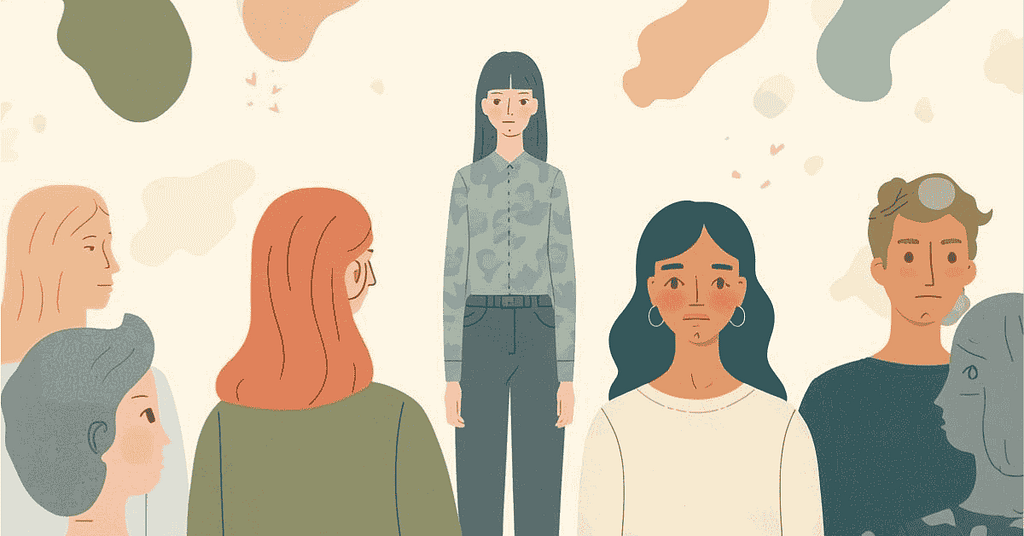
Many people with high-functioning depression are functioning, not thriving.They complete tasks but feel disconnected or empty.
Common signs include:
- Lack of joy despite success
- Feeling tired even after rest
- Losing interest in things once enjoyed
According to the National Institute of Mental Health (NIMH), depression develops because of a combination of genetic, biological, environmental, and psychological factors.
When High-Functioning Depression Becomes Harder to Manage?
Without support, high-functioning depression becomes worse over time. Stress continues. Emotional needs remain unmet.
The coping strategies that once worked may no longer help. At this stage, daily functioning begins to feel heavier. Mental health organizations emphasize that early awareness improves outcomes. Recognizing changes can prevent deeper emotional struggles.
Increased Risk of Major Depression
If high-functioning depression remains untreated, the risk can increase. Symptoms may become more intense and harder to manage.
Possible changes include:
- Deeper sadness
- Loss of motivation
- Withdrawal from relationships
Trusted mental health sources explain that early support reduces the risk of major depressive disorder. Seeking help is a sign of strength, not failure. Support from licensed professionals can improve emotional resilience and long-term well-being.
Seeking Help and Understanding Your Experience
Emotional experience is an important step. High-functioning depression can feel confusing because daily life continues.
Many people meet responsibilities while struggling inside. This creates emotional confusion and self-doubt.
For those seeking support, exploring treatment options for high functioning depression can be a helpful next step.

Talking to a Licensed Mental Health Professional
Consulting with a licensed mental health professional can be highly beneficial.
This may include a therapist, psychologist, or psychiatrist.
They offer:
- A safe and confidential space
- Professional emotional support
- Evidence-based mental health care
Trusted organizations like the American Psychiatric Association (APA) note that therapy helps identify emotional patterns. It also supports healthier coping strategies. It is a positive step toward mental health support.
Why Early Support Makes a Difference
Early support can prevent symptoms from becoming harder to manage. When high-functioning depression is addressed early, recovery is often smoother.
Benefits of early support include:
- Improved emotional balance
- Lower chronic stress levels
- Stronger coping skills
Research from the National Institute of Mental Health (NIMH) shows early care reduces the risk of major depression. It also improves long-term emotional resilience.Even small actions can protect mental health.
Conclusion: Awareness Is the First Step
Understanding the causes of high-functioning depression is the first step toward recognizing it early. Whether the cause is chronic stress, perfectionism, trauma, or genetics, getting support early can make recovery easier. If these symptoms feel familiar, speaking with a licensed mental health professional can help you find the right path forward.
FAQs (Frequently Asked Questions)
What does “high-functioning depression” mean?
High-functioning depression means feeling depressed while still managing daily life.
A person may work, socialize, and meet responsibilities, but feel emotionally low inside.
This makes it hard for others to notice that they are struggling.
What are the causes of HFD?
The causes of high-functioning depression include ongoing stress and emotional pressure.
Common causes are perfectionism, work stress, emotional suppression, low self-worth, and biological factors. Social expectations and hidden trauma can also contribute to this condition.
What are the signs of high-functioning depression?
Signs of high-functioning depression include emotional exhaustion and constant stress.
People may feel sad, anxious, self-critical, or mentally tired while still functioning.
Other signs include loss of interest in activities and difficulty feeling satisfied.
What does “high-functioning” mean in psychology?
In psychology, high functioning means completing daily tasks despite emotional struggles.
The person appears stable but may be dealing with hidden mental health challenges.
It shows that outward success does not always reflect inner emotional health.
Does Perfectionism Increase the Risk of Depression?
Perfectionism is closely connected to high-functioning depression. People who set extremely high standards for themselves often feel intense pressure to succeed.Perfectionists often focus on mistakes rather than accomplishments. Because their self-worth becomes tied to achievement, they may struggle to feel satisfied even after reaching important goals. Over time, this ongoing pressure can contribute to stress, anxiety, and depressive symptoms
Can Stress Cause High-Functioning Depression?
Yes, long-term stress is one of the most common factors linked to high-functioning depression. When people face ongoing pressure from work, family responsibilities, finances, or personal expectations, their minds and bodies remain in a constant state of alertness.
Can high-functioning depression be genetic?
Yes. People with a family history of depression may have a higher risk, although genetics is only one of several factors that contribute to the condition.
Can you have high-functioning depression without knowing it?
Yes. Many people continue working, studying, and caring for others while struggling emotionally. Because symptoms are often hidden, some people do not realize they have high-functioning depression until they speak with a mental health professional.
(This content is for educational purposes only and does not diagnose or treat mental health conditions. Please consult a licensed mental health professional for personalized support.)

Sameya Salman is a writer at The Fit & Fresh who researches and writes about mental health and emotional well-being, with a focus on making topics like high-functioning depression easy to understand. She researches each article using trusted mental health sources to help readers recognize symptoms, understand treatment options, and feel less alone.