
Does Medicaid cover ketamine therapy for depression? Learn about coverage, eligibility, costs, treatment options, and insurance requirements.
In this Blog
Introduction
Does Medicaid cover ketamine therapy for depression? The short answer is it depends. Some Medicaid plans may cover certain types of ketamine treatment, while others may not. Coverage often depends on where you live, the type of treatment you need, and whether your doctor says it is medically necessary.
If you’re thinking about ketamine therapy, it’s important to know what Medicaid may pay for before you begin treatment. In this guide, you’ll learn how Medicaid coverage works, who may qualify, how much ketamine therapy can cost, and what options you have if your treatment isn’t covered. By the end, you’ll have a clear understanding of what to expect and how to make the best decision for your mental health.
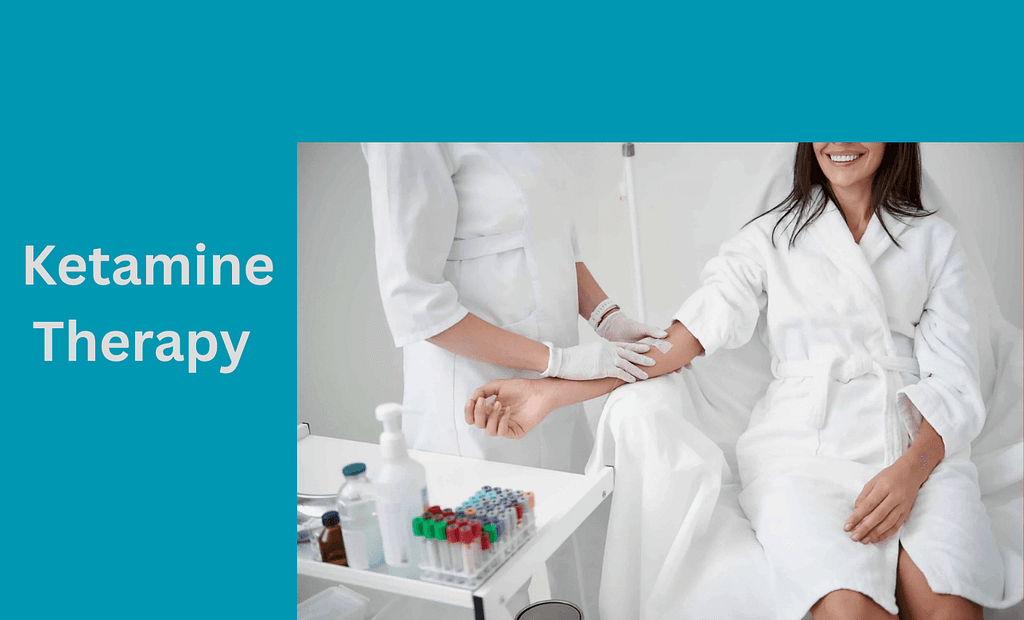
What is Ketamine therapy?
Ketamine therapy is used to improve mental health conditions. It is a medicine that provides immediate relief to the individual. Ketamine works more effectively than traditional medicines and provides relief in hours. It responds very fast to eliminate anxiety, depression, and disorders in individuals.
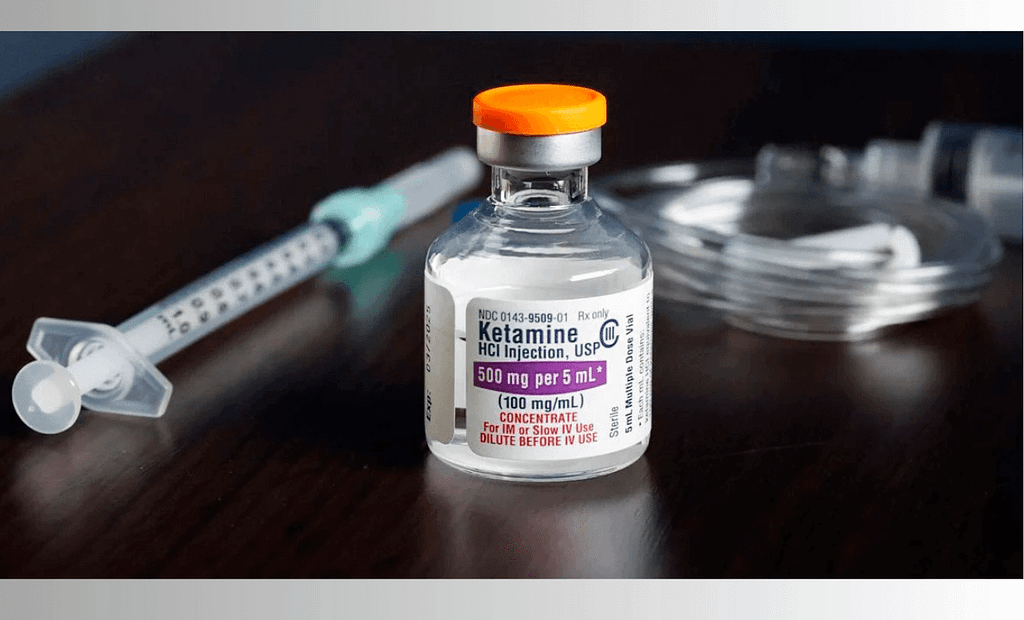
Ketamine therapy is a treatment used for conditions such as treatment-resistant depression. Depending on the treatment plan, ketamine may be given through an IV infusion, intramuscular injection, oral lozenge, or as Spravato (esketamine) nasal spray. Treatment is provided under medical supervision to ensure safety and effectiveness.
According to the American Psychiatric Association, about 30% of people with major depressive disorder have treatment-resistant depression, making alternative treatments like ketamine increasingly important.
Does Medicaid Cover Ketamine Therapy?
What Types of Ketamine Treatment Does Medicaid Cover?
Ketamine therapy is very famous for treatment-resistant depression. It is the best alternative to traditional treatments. Ketamine provides a better role in treating all low mental health conditions.
Anxiety: Ketamine therapy is used to reduce anxiety and depression in individuals. It helps individuals suffering from social anxiety disorder and general anxiety disorder in a modern way.
Obsessive-Compulsive Disorder (OCD): This therapy also plays an important role in reducing OCD. It is very important for changing behaviors and thoughts.
Post-Traumatic Stress Disorder (PTSD): It also plays an important role in reducing OCD. It is essential for changing behaviors and thoughts. Ketamine therapy changes the chemistry of the mind and provides a better life by reducing mental traumas and depression in individuals.
Does Medicaid Cover Spravato (Esketamine)?
Yes, Medicaid may cover Spravato (esketamine), but coverage depends on your state’s Medicaid program and your medical condition. Because Spravato is FDA-approved for treatment-resistant depression, it is generally more likely to be covered than IV ketamine therapy. Your doctor may also need to get prior authorization before treatment begins.
Spravato vs. IV Ketamine
The biggest difference is that Spravato is FDA-approved for certain types of depression, while IV ketamine is used off-label. Because of this, Spravato is more commonly covered by Medicaid and other insurance plans.
Which Treatment Is More Likely to Be Covered?
If you’re using Medicaid, Spravato is usually the better-covered option because it has FDA approval. IV ketamine infusions may still be covered in some cases, but approval is less common and depends on your state’s Medicaid rules and your doctor’s recommendation.
How Does Ketamine Therapy Work? Discover the Treatment Process
The Induction and Maintenance Phases
There are two phases in ketamine therapy. The first one is the induction phase, and the second one is the maintenance phase.
Induction Phase
The induction phase during ketamine therapy is the initial stage of treatment, which provides immediate relief to the patient. This therapy consists of 6 infusions. This phase reduces symptoms in patients. These individuals provide long-term improvement.
Maintenance phase
After the induction phase, the maintenance phase of ketamine therapy begins. In this therapy, the dose is reduced. Ketamine is provided to patients according to their needs and conditions. In this phase, the mental health and progress of the patient are maintained.
Ketamine Therapy Cost
The cost of ketamine infusion therapy depends on the clinic, location, and number of sessions. The average cost of ketamine therapy is $400 to $800. In the induction phase, patients take more than 6-10 sessions. In the maintenance phase, sessions consist of 2-3 weeks, like the induction phase, and the general cost of the maintenance phase is $300 to $500.

Out-of-Pocket Costs With Medicaid
If Medicaid covers your ketamine treatment, your out-of-pocket costs are usually much lower than paying the full price yourself. Depending on your state’s Medicaid program, you may only need to pay a small copayment or, in some cases, nothing at all. However, if the treatment is not covered—such as some IV ketamine infusions—you may have to pay the full cost, which can range from $400 to $800 per session. To avoid unexpected expenses, check your Medicaid benefits and ask your healthcare provider for a cost estimate before starting treatment.
What If Medicaid Doesn’t Cover Ketamine Therapy?
If Medicaid doesn’t cover your ketamine therapy, don’t give up. Many people still find affordable ways to get treatment. You can explore payment plans, financial support, or ask your doctor about other effective depression treatments that may fit your budget.
Payment Plans
Many ketamine clinics offer flexible payment plans, allowing you to pay in smaller monthly installments instead of one large payment. This can make treatment much more affordable.
Financial Assistance Programs
Some clinics and patient assistance programs help lower treatment costs for eligible patients. Ask your healthcare provider if there are discounts or support programs available in your area.
Alternative Treatment Options
If ketamine therapy isn’t covered, your doctor may recommend other treatments like antidepressants, talk therapy, TMS, or ECT. Together, you can choose the option that best meets your needs.
Benefits and Risks of Ketamine Therapy
Ketamine therapy has helped many people who didn’t respond to traditional depression treatments. Like any medical treatment, it offers important benefits but also comes with some risks. Understanding both can help you make a confident and informed decision.
Potential Benefits
Ketamine therapy may relieve depression symptoms faster than many traditional antidepressants. Some people notice improvements within hours or days, making it a promising option for treatment-resistant depression.
Possible Side Effects
Common side effects include dizziness, nausea, sleepiness, blurred vision, or feeling disconnected for a short time. These effects are usually temporary and are closely monitored by healthcare professionals during treatment.
How to Check if Your Medicaid Plan Covers Ketamine Therapy
Before starting ketamine therapy, it’s important to confirm whether your Medicaid plan covers the treatment. A quick call to your insurance provider or healthcare clinic can help you avoid unexpected costs and understand your coverage options.
Questions to Ask Your Insurance Provider
When speaking with your Medicaid provider, ask whether ketamine therapy or Spravato (esketamine) is covered, if prior authorization is required, and what your out-of-pocket costs may be. These questions can help you understand exactly what your plan includes.
Steps to Verify Your Coverage
Start by contacting your Medicaid provider or logging into your online member portal. You can also ask your doctor or ketamine clinic to verify your benefits before treatment begins. Taking these simple steps can save you time, money, and unnecessary stress.
Frequently Asked Questions
Does Ketamine Therapy Get You High?
Ketamine therapy may cause temporary feelings of dissociation, relaxation, or altered perception during treatment, but it is not intended to make patients “high.” The therapy is carefully administered in a supervised medical setting using controlled doses. Most side effects wear off within a few hours after the session.
Does PA Medicaid cover ketamine treatment?
Pennsylvania (PA) Medicaid may cover Spravato (esketamine), but it does not usually cover IV ketamine infusions for depression. Coverage depends on your Medicaid plan, medical condition, and whether your doctor obtains prior authorization. Contact your PA Medicaid plan or healthcare provider to confirm your specific benefits before starting treatment.
Is esketamine covered by Medicaid?
Yes, many state Medicaid programs cover Spravato (esketamine) for eligible patients with treatment-resistant depression. Coverage often requires prior authorization and proof that other depression treatments have not worked. Because Medicaid benefits vary by state, it’s important to check your individual plan before treatment.
Does Medicaid cover ketamine therapy in Colorado?
Colorado Medicaid may cover Spravato (esketamine) for eligible patients, but IV ketamine infusions are generally not covered for depression. Approval depends on your diagnosis, your healthcare provider’s recommendation, and your specific Medicaid plan. Contact Colorado Medicaid or your treatment provider to verify your coverage.
Does Medicare cover ketamine treatment?
Medicare generally does not cover IV ketamine infusions for depression because they are considered an off-label treatment. However, Medicare may cover Spravato (esketamine) under Part B when it is medically necessary and given in a certified healthcare setting for eligible patients.
Conclusion
Ketamine therapy offers new hope for people living with treatment-resistant depression, but insurance coverage isn’t always the same for everyone. Knowing what your Medicaid plan covers, understanding the difference between Spravato and IV ketamine, and discussing your options with your doctor can help you make a confident decision. With the right information and support, you can focus less on insurance concerns and more on finding a treatment that works for you.

Sameya Salman is a writer at The Fit & Fresh who researches and writes about mental health and emotional well-being, with a focus on making topics like high-functioning depression easy to understand. She researches each article using trusted mental health sources to help readers recognize symptoms, understand treatment options, and feel less alone.