
What does Snow White Syndrome meaning? Explore its psychology, emotional traits, and mental health connections.
In This Blog
Introduction
| Snow White Syndrome is a non-medical psychological term used to describe people who rely on others for emotional support, approval, or rescue. It is inspired by the fairy tale character Snow White and is used to discuss emotional dependency, low self-confidence, and passive coping patterns. It is not an officially recognized mental health disorder. |
Have you ever met someone who always waits for others to solve their problems or make important decisions for them? This behavior is often described as Snow White Syndrome. It is not an official mental health diagnosis. Psychologists use this term to explain emotional dependence, low self-esteem, and a strong desire to be rescued by others.
In this article, you’ll learn the meaning of Snow White Syndrome, its psychological traits, possible mental health connections, and the symbolism behind the famous fairy tale.

What Is Snow White Syndrome?
People who relate to Snow White Syndrome often struggle with emotional independence and rely on others to feel secure or make important decisions. They may avoid challenges or believe that someone else will solve their problems. These patterns can affect confidence, relationships, and personal growth.
The name comes from the fairy tale character Snow White, who is often seen as kind, trusting, and dependent on others for protection. Psychologists use this story as a symbolic way to discuss emotional dependence rather than as a medical diagnosis. Snow White Syndrome is not recognized in the DSM-5 or ICD-11 and should not be confused with a clinically diagnosed mental health condition.
The Story Behind Snow White
Snow White is a beautiful princess who lives with her jealous stepmother, the Evil Queen. After learning that Snow White is the fairest in the land, the Queen orders her to be killed. Snow White escapes into the forest and finds shelter in the home of the Seven Dwarfs.They welcome and protect her.She is determined to eliminate her rival. The Evil Queen disguises herself as an old woman and gives Snow White a poisoned apple. After taking a bite, Snow White falls into a deep sleep. She remains asleep until a prince discovers her and breaks the spell with true love’s kiss. Snow White eventually awakens, the Evil Queen is defeated, and peace is restored to the kingdom.
Common Traits of Snow White Syndrome
People associated with Snow White Syndrome often show certain emotional and behavioral patterns. These traits do not mean someone has a mental illness, but they may affect confidence, relationships, and decision-making.
Emotional Dependence
People with Snow White Syndrome may rely heavily on others for emotional support and happiness. They often feel secure only when someone is there to guide, protect, or encourage them. This dependence can make it difficult to deal with challenges alone.

Low Self-Confidence
Many individuals struggle to believe in their own abilities. They may doubt their decisions, underestimate their strengths, and fear making mistakes. As a result, they often seek approval from others before taking action.
Fear of Independence
Being responsible for important decisions can feel overwhelming. Some people avoid taking risks or solving problems on their own because they worry about failure. They may prefer someone else to take control of difficult situations.
People-Pleasing
People with these traits often try to keep everyone happy while ignoring their own needs. They may avoid saying “no” or expressing their true feelings because they fear rejection or disappointing others.
Need for Encouragement
Constant reassurance is another common trait. They may frequently ask others if they are doing the right thing or seek repeated confirmation before making decisions. This can reduce their confidence over time.
Difficulty Making Decisions
Simple choices can become stressful because they fear making the wrong decision. Instead of trusting themselves, they may depend on family members, friends, or partners to decide for them.
Is Snow White Syndrome a Mental Illness?
No, Snow White Syndrome is not a mental illness. It is a symbolic psychological concept used to describe emotional dependence, low self-confidence, and a tendency to rely on others for support or rescue. Although the term is widely discussed in popular psychology and self-help content. It is not an officially recognized mental health condition.
Snow White Syndrome is not listed in the Diagnostic and Statistical Manual of Mental Disorders (DSM-5) or the International Classification of Diseases (ICD-11), which means mental health professionals do not use it as a clinical diagnosis. If emotional dependence or fear of independence begins to affect daily life, relationships, or overall well-being, seeking guidance from a licensed mental health professional is the most appropriate step.
Evil Queen’s Mental Health Analysis
The Evil Queen is commonly interpreted as a symbolic representation of insecurity, envy, and the desire for external validation. These interpretations are literary and psychological, not clinical diagnoses.
Narcissistic Personality Disorder (NPD)
The Evil Queen considers herself to be completely fair. Beauty, power, and control are her identities. She does not admire anyone’s good qualities or attractiveness. Along with being self-obsessed, she is also selfish and only admires herself.
Malignant Envy and Obsession with Beauty
The jealousy of the Evil Queen becomes a cause of danger.Snow White’s mental disorder is so jealous of Snow White that she murders Snow White for her own pride and beauty. The envy of the queen for Snow White becomes a cause of narcissism. She manipulates others and follows the characteristics of old age, like how others see her. Let us know about Snow White’s psychological disorder
Psychological Symbolism of the Seven Dwarfs
Grumpy
Grumpy is negative or irritable, pushes others away, and shows little affection. Grumpy reflects emotional withdrawal and persistent negativity often associated with depression-like feelings. People suffering from this kind of depression are annoyed instead of being kind.
Sleepy
Sleepy tries to wake himself up. His bulging eyes, slow movements, or inability are common symptoms of chronic fatigue or depression. Sleepy represents emotional disturbance, which shows long-term stress.
Bashful
Bashful is such a character who often blushes and avoids eye contact, especially around Snow White. His behavior reflects social anxiety disorder. It is a condition in which individuals have a fear of being judged and do not face anyone. This fear, represented by a bashful personality, is very intense.
Sneezy
Sneezy is a character in the story who sneezes again and again. His fear of illness is an example of anxiety disorder. Sneezy is worried about his health, even though he has no medical problems.
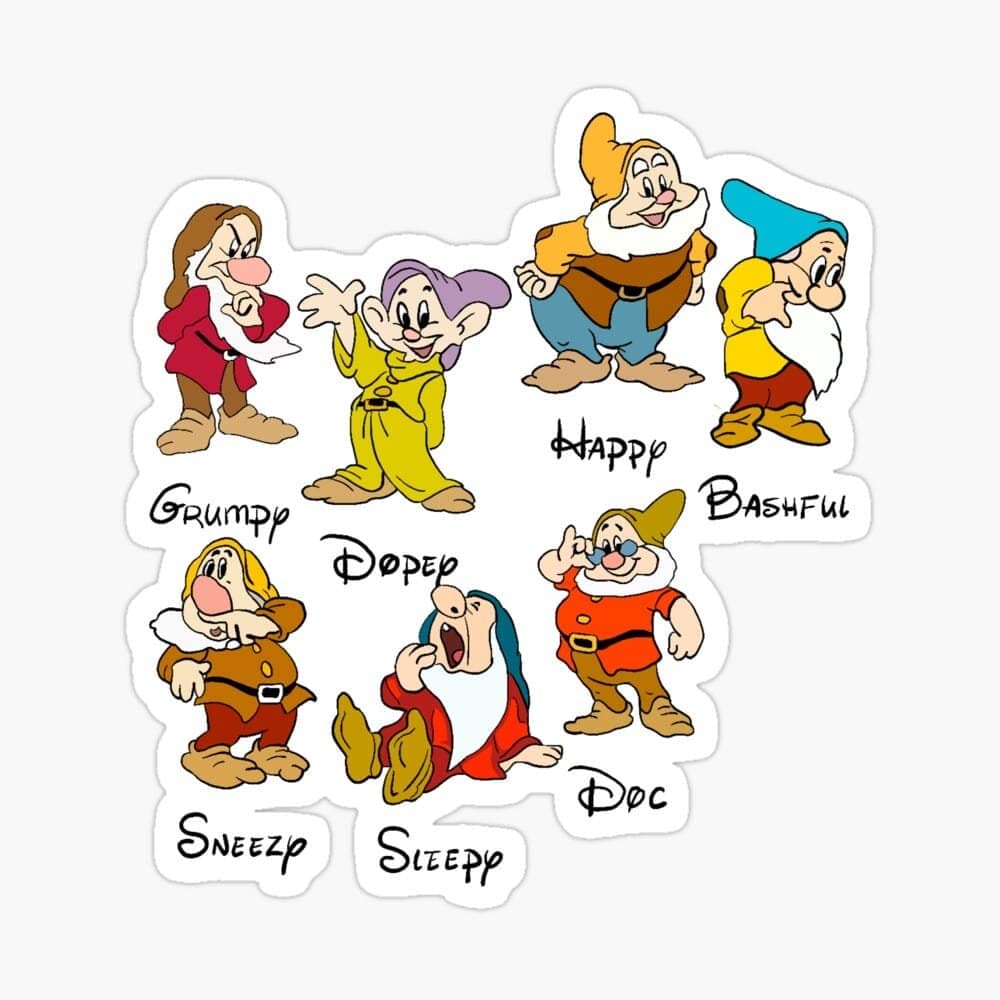
Dopey
Dopey is such a character in the story who behaves playfully. Some people consider it a cognitive disorder or childlike innocence. He is pure by heart, an unfiltered version of the human mind, lacking fear and inconsistency.
Happy
Happy is a cheerful person who is mostly joyful. In this state, the person is overly energetic. Its cheerful or jolly nature hides its emotional instability. Happy can symbolically represent emotional highs that hide deeper imbalance
Doc
Doc is the leader of the group, but his words stumble, and he struggles to maintain control. His mingling of confidence and confusion suggests anxiety. This character does not organize his thoughts and creates problems in terms of expectation and capability.
These interpretations are symbolic and should not be viewed as medical or psychological diagnoses.
Also Read About!
Psychological Disorder in the Film “Donnie Darko”: Read Here Today!
Psychological Interpretation vs Clinical Diagnosis
Fairy tales like Snow White are not medical case studies. They are symbolic stories created to express emotions, fears, and moral lessons. When people talk about Snow White’s psychological disorder, they usually mean symbolic behavior, not a real mental illness.
Psychological interpretation helps readers understand emotional patterns, such as fear, trust, or dependency. A clinical diagnosis, however, can only be made by a trained professional in real life. Snow White is a fictional character, so her behavior should be viewed as a reflection of emotional themes rather than a medical condition.
What Psychologists Say About Analyzing Fairy Tales
Psychologists often study fairy tales to understand how stories reflect human emotions and inner conflicts. According to psychological theory, fairy tale characters represent parts of the human mind, such as fear, hope, jealousy, or resilience.
Snow White’s story can be seen as a representation of emotional growth and survival. The Evil Queen may symbolize insecurity and obsession, while Snow White represents innocence and emotional strength. These interpretations focus on mental traits and emotional struggles, not diagnosed disorders.
Are the Dwarfs Parts of Snow White’s Mind?
Some interpreters suggest that the Seven Dwarfs are separate characters in Snow White, but they show psychological fragments. These dwarfs highlight the emotional state of Snow White’s psychological disorder, such as sadness (Grumpy), fatigue (Sleepy), fear (Bashful), concern for health (Sneezy), innocence (Dopey), joy (Happy), and responsibility (Doc).
The Role of the Prince
The prince is a symbol of rescue or peace in many fairy tales. In Snow White, the prince magically comes to Snow White for her safety and relieves her trauma by kissing her. Prince is a fantasy figure for Snow White’s safety, control, or to relieve her emotional trauma, which Snow White creates herself.
Feminist Readings of Snow White’s Behavior:
Snow White’s behavior reflects the norms of the classical age. She is polite, passive, obedient, and focuses on cleanliness, which is very important in a male-dominated society.
Learned helplessness (like a stepmother’s behavior) is a condition in which the person who believes in it does not have any power in their life. Snow White is good, gentle, and understanding, so she thinks that she will remain safe.
Mental Health Messages Hidden in the Story
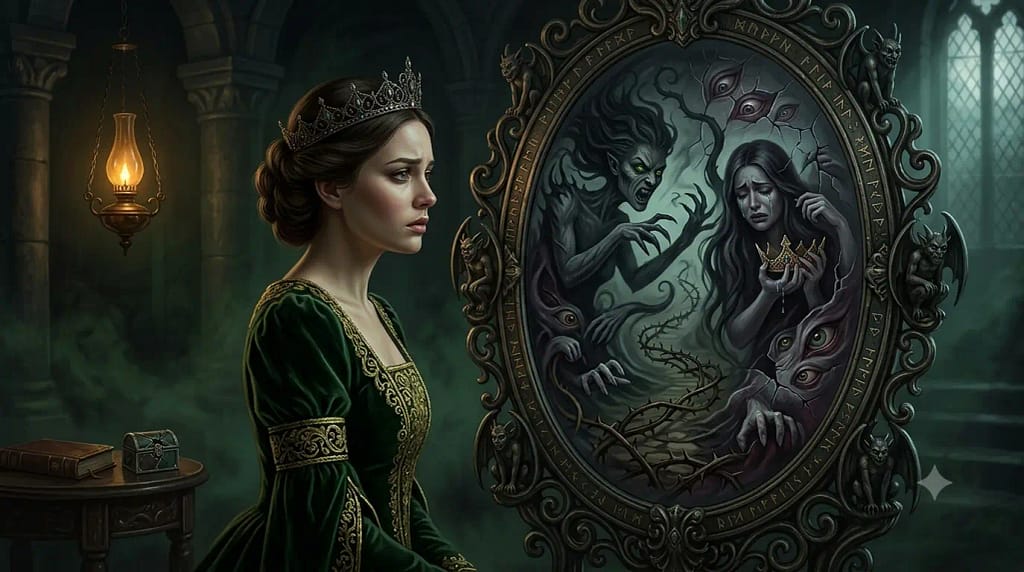
Fairy tales are not just stories for children, but they also convey a much deeper message. This story is based on different psychological metaphors like Snow White’s trauma, her escapism, and her symbolic death and rebirth. These journeys show Snow White’s healing or survival after abuse.
Seven dwarfs, forest animals, or an evil queen show different phases of the human mind, like fear, repression, or resilience. Modern readers develop themes of depression, anxiety, or mental struggle in characters. Snow White Psychological Disorders is a tale about fantasy, which tells you about real psychological truths, like healing takes time, and her inner strength keeps growing with time.
Conclusion: Have a Final Look Here!
To conclude, Snow White Psychological Disorders is a rich and complex story that highlights psychological disorders. Snow White’s goodness, understanding of her trauma, facing the abuse of the evil queen, and then her healing are symbolic in the story. The personalities of the dwarfs, the motivations of the Evil Queen, and the symbolic role of the prince represent mental health and human behavior. These characters showcase their struggles and life’s hardships.
Finally, Snow White is not a story about a princess, but it is a metaphor to represent growth, survival, and hope. In this story, the mental health perspective is present about our lives and compassion, and it teaches us how we face our emotional struggles in our lives.
FAQs about Snow White’s Mental Disorders
What was Snow White’s mental illness?
Snow White does not have a real mental illness because she is a fictional character.Her behavior is often interpreted as symbolic of emotional innocence, fear, and dependence rather than a medical condition.
What is the most severe mental illness?
There is no single most severe mental illness. Severity depends on how strongly symptoms affect a person’s daily life and functioning.
What is the dark theory of Snow White?
The dark theory of Snow White suggests the story represents psychological trauma and inner fears.Characters symbolize emotions like jealousy, anxiety, and vulnerability.
Is Snow White’s behavior linked to trauma?
Snow White’s behavior can symbolically reflect emotional trauma.Her fear and trust in strangers may represent vulnerability and isolation.
Do fairy tales relate to psychology?
Many fairy tales reflect psychological ideas through symbols and characters.They help explain emotions, fears, and human behavior in simple ways.
References
American Psychological Association (APA)
American Psychiatric Association (DSM-5)
World Health Organization (ICD-11)

Sameya Salman is a writer at The Fit & Fresh who researches and writes about mental health and emotional well-being, with a focus on making topics like high-functioning depression easy to understand. She researches each article using trusted mental health sources to help readers recognize symptoms, understand treatment options, and feel less alone.