
Looking for an overview of Phantom Limb by Lucinda Berry? Learn the ending, trauma, major themes, and psychological insights without the confusion.
In this Blog
Introduction
If you’re searching for Phantom Limb by Lucinda Berry, you’re probably looking for more than just a plot summary. You may want to understand the novel’s shocking ending, the psychological trauma experienced by the characters, or the deeper meaning behind Emily and Elizabeth’s heartbreaking journey. This novel is more than a psychological thriller—it explores how childhood abuse, grief, and emotional trauma can shape a person’s identity long after the abuse ends.
In this guide, you’ll discover what Phantom Limb is about, how childhood trauma influences the story, the psychological themes behind the characters, and what the ending really means.
What is Phantom Limb?
Phantom Limb by Lucinda Berry is a psychological thriller that follows twin sisters Emily and Elizabeth as they struggle with the lasting effects of childhood abuse, trauma, and grief. The novel combines emotional storytelling with psychological suspense, leading readers toward an unforgettable twist that changes the entire meaning of the story.
It follows 2 main characters, Emily and Elizabeth, who are twin sisters.Their alcoholic mother exposed them to years of neglect, abuse, and emotional suffering. After suffering for a few years, they are adopted by a loving family, but the traumas of their life also affect their new life.
The turning point in the story is when Elizabeth suddenly opens her eyes in the hospital bedroom, and she can neither walk nor speak. Emily dies in the bathroom. Elizabeth tries hard to forget her past traumas and abuses, but Emily’s death fails her final efforts.
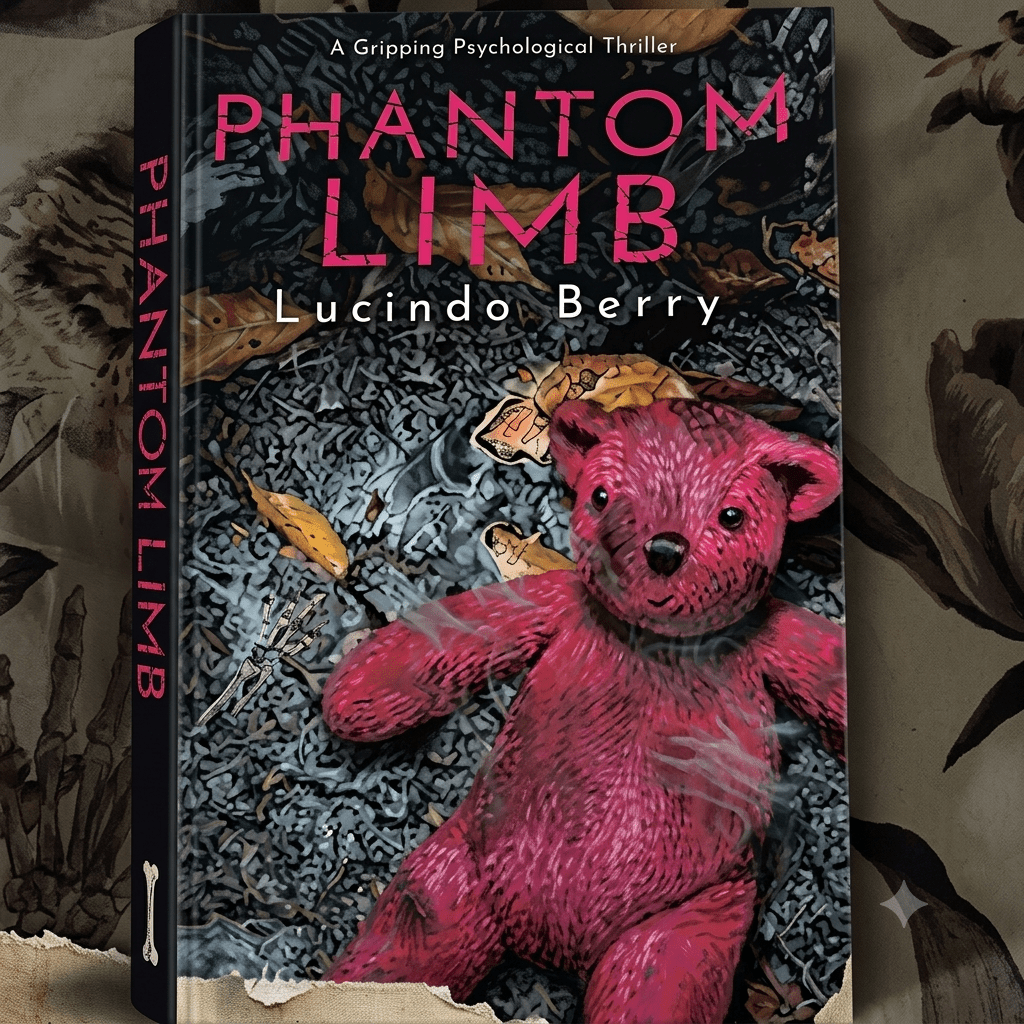
The Plot: A Dark and Twisted Tale of Trauma
The Abusive Childhood of Emily and Elizabeth
Emily and Elizabeth face cruelty and negligence in their childhood life through their alcoholic mother. They initially spend their lives in just one bedroom. Their mother is not close to home, and whenever she is present at home, they also feel fear or harm from that. Emotional, physical, or mental abuse becomes a part of their daily routine.
Emily is very sensitive, and it touches her heart every moment, but Elizabeth is emotionally strong to protect herself. Both these sisters depend on each other for survival. Even after knowing the other family, their childhood traumas remain with them like ghosts, and they can’t heal themselves.
The Shocking Discovery of Emily’s Death
After some time, Elizabeth and Emily become a new family, but their nostalgia does not allow her to live a peaceful life. Emily gets depressed while Elizabeth becomes strong and takes care of herself. Elizabeth feels greater than the end of her sister’s life. Emily’s sudden death makes Elizabeth feel grief. Elizabeth cannot believe that she loves Emily more than everyone else.
Why Is Phantom Limb by Lucinda Berry So Popular?
Emotional Storytelling That Feels Real
One of the biggest reasons Phantom Limb stands out is its emotional storytelling. Instead of relying only on suspense, the novel explores the pain of childhood abuse, loss, and healing through realistic characters. Readers often connect with Emily and Elizabeth because their emotions and struggles feel genuine, making the story difficult to forget.
Psychological Suspense That Keeps You Guessing
The novel builds suspense by slowly revealing the characters’ past and emotional struggles. Every chapter adds new questions, encouraging readers to keep turning the pages. Rather than using constant action, Lucinda Berry creates tension through mystery, memories, and psychological conflict.
A Powerful Look at Childhood Trauma
Childhood trauma is at the heart of the story. The novel shows how abuse and neglect can affect emotional health, relationships, and personal identity even years later. This realistic portrayal gives readers a deeper understanding of the lasting effects of traumatic experiences.
An Ending That Changes Everything
One of the most talked-about parts of Phantom Limb is its unexpected ending. The final twist encourages readers to rethink earlier events and view the characters from a completely different perspective. This surprise ending leaves a lasting emotional impact and is one reason many readers recommend the book.
Strong Character Development
Emily and Elizabeth are complex characters whose personalities are shaped by their past experiences. Their different ways of coping with trauma make the story feel authentic and emotionally powerful. Watching their relationship evolve adds depth to the novel and keeps readers invested until the very end.
Psychological Themes in Phantom Limb
Childhood Abuse and Its Lasting Effects
Childhood abuse is one of the strongest themes in Phantom Limb. Emily and Elizabeth grow up in a home filled with neglect, fear, and emotional pain, experiences that continue to shape their lives even after they are rescued. The novel shows that while physical wounds may heal, emotional trauma can remain for years and influence how a person thinks, feels, and trusts others.

PTSD and Emotional Trauma
Although the novel does not give the characters a formal diagnosis. Character’s behaviors reflect the lasting effects of PTSD. Fear, emotional distress, painful memories, and difficulty feeling safe are recurring struggles throughout the story. Lucinda Berry uses these experiences to show how trauma can continue to affect everyday life long after the abuse has ended.
Grief and the Pain of Loss
Grief plays a major role in the emotional journey of the novel. The loss experienced by Elizabeth is more than sadness—it changes how she views herself and the world around her. The story explores how grief can be confusing, overwhelming, and deeply connected to memories of the past.
Survivor’s Guilt
The novel also explores survivor’s guilt through the emotional burden carried by Elizabeth. She struggles with questions about why she survived while her sister did not, making it difficult to move forward. These feelings add another layer of psychological depth and help readers understand the lasting emotional impact of trauma and loss.
Family Trauma Across Generations
Phantom Limb shows how an unhealthy family environment can leave emotional scars that continue long after childhood. Neglect, addiction, and abuse affect not only the victims but also the relationships they build later in life. The novel highlights the importance of love, safety, and support in breaking the cycle of family trauma.
The Search for Identity
As the story unfolds, both Emily and Elizabeth struggle to understand who they are beyond their painful past. Their experiences influence their confidence, emotions, and relationships, making self-discovery an important part of the novel. Through their journey, Lucinda Berry reminds readers that healing is not only about surviving trauma but also about rebuilding one’s identity and finding hope for the future.
The Twins’ Complex Relationship
Why Emily Depends on Elizabeth
Emily relies heavily on Elizabeth because she sees her as the one constant source of comfort and safety in a childhood filled with abuse and neglect. While both sisters experience the same painful events, Emily struggles more deeply with the emotional impact and often looks to Elizabeth for reassurance and strength. Their relationship becomes a lifeline, helping them survive experiences that no child should have to endure.
How Trauma Strengthens Their Bond
The sisters’ shared trauma creates an unusually strong emotional connection. Facing fear, neglect, and uncertainty together makes them depend on one another in ways that go far beyond a typical sibling relationship. Lucinda Berry shows how shared suffering can create a powerful bond, with each sister becoming the other’s source of hope, protection, and emotional support.
Why Their Separation Becomes So Heartbreaking
As the story unfolds, separation becomes one of the novel’s most painful themes. After relying on each other for survival throughout childhood, being apart forces Elizabeth to face grief, loneliness, and unresolved trauma on her own. Their separation is not just a physical loss—it symbolizes the emotional wounds left by years of abuse, making the novel’s ending even more powerful and unforgettable.
The Shocking Twist in Phantom Limb
The Unpredictable Ending
Phantom Limb is a story with many surprises. After Emily’s death, Elizabeth feels that her and Emily’s lives are unpredictable. This twist makes this simple story very complicated. It creates curiosity in the reader and makes them wonder what the story will mean now.

How the Twist Changes the Story’s Perspective
Phantom Limb creates twists and psychological issues in the story. As the readers feel that he knows everything, then a twist comes in the story. As the story moves forward, Emily’s death or Elizabeth’s death proves a struggle.
The Ending of Phantom Limb Explained
What Happens at the End?
The ending of Phantom Limb challenges everything readers believe about the characters and their journey. As hidden truths come to light, earlier events take on a completely different meaning. The final chapters encourage readers to look back at the story from a new perspective, making the ending both emotional and unforgettable.
Why the Twist Matters
The twist is more than a surprising moment.It highlights the novel’s central themes of trauma, memory, and emotional survival. Instead of relying on shock alone, the ending explains why the characters behave the way they do and how their painful past continues to shape their lives. This emotional depth is one of the reasons the novel leaves such a lasting impression on readers.
How the Ending Changes the Story
After reaching the final pages, many readers realize the story is not just about mystery or suspense. It becomes a powerful exploration of childhood abuse, grief, identity, and the long-term effects of psychological trauma. The ending encourages readers to rethink earlier scenes, making a second reading even more meaningful and revealing details that may have been overlooked the first time.
Frequently Asked Questions
Is Emily real in Phantom Limb?
Emily is a fictional character created by Lucinda Berry. She plays a central role in the novel, and her relationship with Elizabeth is essential to the story’s emotional impact. As the plot unfolds, readers discover new details that change how they understand her character and the events of the novel.
What is the book Phantom Limb about?
Phantom Limb by Lucinda Berry is a psychological thriller about twin sisters, Emily and Elizabeth, who struggle with the lasting effects of childhood abuse and trauma. The novel explores grief, family relationships, and emotional healing while building toward a shocking twist. It combines suspense with a powerful look at mental health and resilience.
In what order should I read Lucinda Berry books?
Lucinda Berry’s novels are standalone stories, so you can read them in any order. Many readers choose books based on the themes or plot that interest them most. If you’re drawn to psychological thrillers about trauma and family dynamics, Phantom Limb is a great place to start.
What is the reading level of Phantom Limb?
Phantom Limb is generally written for adult readers due to its mature themes, including childhood abuse, trauma, and psychological suspense. The writing style is easy to follow, making it accessible for most adult and older teen readers. Readers should be aware that the emotional content can be intense.
Conclusion
Phantom Limb by Lucinda Berry is more than a psychological thriller. It is a deeply emotional novel that explores childhood abuse, trauma, grief, and the lasting effects these experiences can have on a person’s life. Through Emily and Elizabeth’s heartbreaking journey, the story reminds readers that emotional wounds can remain long after physical scars have healed.
If you enjoy psychological thrillers that combine suspense with meaningful character development, Phantom Limb is a compelling read. Its unforgettable twist and realistic portrayal of trauma make it one of Lucinda Berry’s most discussed novels and a book that stays with readers long after the final page.

Sameya Salman is a writer at The Fit & Fresh who researches and writes about mental health and emotional well-being, with a focus on making topics like high-functioning depression easy to understand. She researches each article using trusted mental health sources to help readers recognize symptoms, understand treatment options, and feel less alone.