
Discover how Vision 2030 Australia Mental Health aims to transform care, improve access, reduce suicide, and shape a healthier future for all Australians.
In This Blog
Introduction
Mental health is becoming one of Australia’s biggest public health priorities, with growing demand for accessible, affordable, and high-quality support. While many people receive effective care, others still face challenges such as long waiting times, workforce shortages, and limited access in rural and remote communities. These ongoing issues have highlighted the need for a stronger, more connected mental health system.
It is a long-term strategy designed to reshape how mental health care is planned, delivered, and experienced across the country. Instead of focusing only on treating mental illness, the vision promotes early intervention, suicide prevention, community-based care, and services that reflect the needs of people with lived experience. It also encourages collaboration between healthcare providers, governments, researchers, and local communities to build a more inclusive and effective system.
In this guide, you’ll learn what Vision 2030 Australia Mental Health is, why it was developed, its key goals, the challenges it aims to solve, and how technology, research, and policy reforms are helping create a healthier future for all Australians.

What Is Vision 2030 Australia Mental Health?
Vision 2030 Australia Mental Health is a long-term strategy designed to improve Australia’s mental health system by making care more accessible, connected, and person-centred. It focuses on early intervention, suicide prevention, recovery, and ensuring people can access quality mental health services regardless of where they live.
Developed with input from mental health professionals, policymakers, researchers, and people with lived experience, Vision 2030 provides a roadmap for lasting reform. Its goal is to address challenges such as workforce shortages, unequal access to care, and rising mental health needs while building a more inclusive, evidence-based, and sustainable mental health system for all Australians.
Key Goals of Vision 2030 Australia Mental Health
Vision 2030 Australia Mental Health is built around several long-term goals that aim to create a stronger, more inclusive mental health system across Australia.
- Promote Early Intervention: Provide support before mental health conditions become severe, helping people recover sooner and reducing the need for crisis care.
- Strengthen Suicide Prevention: Improve community awareness, expand crisis support services, and identify people at risk earlier to reduce suicide rates.
- Improve Access to Care: Ensure Australians, including those in rural and remote communities, can access timely and affordable mental health services.
- Deliver Integrated Care: Connect mental health services with physical healthcare, housing, education, and social support to provide person-centred treatment.
- Reduce Mental Health Stigma: Encourage open conversations and public education so more people feel comfortable seeking professional help.
- Expand the Mental Health Workforce: Recruit, train, and retain more psychologists, psychiatrists, counsellors, and other mental health professionals.
- Embrace Digital Innovation: Use telehealth, mental health apps, and other digital technologies to make mental health support more accessible and convenient.
Why Australia Needs Vision 2030
Australia’s mental health system faces several challenges that highlight the need for long-term reform.
- Growing Demand for Services: More Australians are seeking mental health support than ever before, increasing pressure on healthcare services.
- Long Waiting Times: Many people wait weeks or even months to access psychologists and psychiatrists, delaying treatment and recovery.
- Limited Rural Access: People living in regional and remote areas often struggle to find qualified mental health professionals close to home.
- Workforce Shortages: A shortage of trained mental health professionals makes it difficult to meet the growing demand for care.
- High Cost of Treatment: Ongoing therapy and specialist appointments can be expensive, creating financial barriers for many individuals and families.
These challenges show why Vision 2030 Australia Mental Health is essential. By focusing on prevention, better access, workforce growth, and integrated care, the strategy aims to build a more effective and equitable mental health system for future generations.
The Role of Lived Experience in Shaping Mental Health Policy
Why Listening to People with Lived Experience Matters
The experience of the people of Australia in preventing mental problems and suicide tells us how the mental health system works. Vision 2030 highlights the real issues of the people and provides better solutions. The people of Australia, through their experience, provide policies to promote the system. Individual life experiences create efficient and responsible systems for life.Insights from the Connections Project Consultation by Vision 2030 Australia Mental Health:
The Connection project is an important step for Vision 2030. It provides facilities to people of backward ideas. The project highlights individual approaches and ways of connecting people. It has done a good job by recognizing the role of community support in mental health recovery.
Suicide Prevention
Suicide prevention is one of the most important priorities of Vision 2030 Australia Mental Health. The strategy recognizes that preventing suicide requires more than crisis intervention—it involves identifying risks early, improving access to mental health care, and creating supportive communities where people feel safe asking for help. By focusing on prevention rather than reaction, Vision 2030 aims to save lives and reduce the long-term impact of mental health challenges.
Key suicide prevention priorities include:
- Early Identification of Risk: Encourage healthcare providers, schools, and workplaces to recognize warning signs and connect people with support before a crisis develops.
- Timely Access to Mental Health Services: Reduce waiting times and improve access to counselling, therapy, and crisis support across Australia.
- Community Awareness and Education: Increase public understanding of suicide risk factors, reduce stigma, and encourage open conversations about mental health.
- Support for High-Risk Groups: Provide targeted programs for Aboriginal and Torres Strait Islander peoples, young people, veterans, LGBTQIA+ communities, and people living in rural and remote areas.
- Strengthen Crisis and Aftercare Services: Ensure people receive ongoing support after a suicide attempt or mental health crisis to lower the risk of future harm.
- Evidence-Based Prevention Strategies: Use research, data, and lived experience to improve suicide prevention programs and develop policies that deliver measurable outcomes.
By combining early intervention, community support, and coordinated mental health services, Vision 2030 Australia Mental Health aims to create a future where fewer lives are lost to suicide and more Australians receive the help they need before reaching a crisis.
The most important goal of Vision 2030 is to prevent suicide. In Australia, the suicide rate was increasing due to the increase in mental health issues. The blueprint has come with a great emphasis on addressing mental health issues as well as preventing suicide. Vision 2030 puts stress on community awareness and education. This vision is very important to save human lives and families.
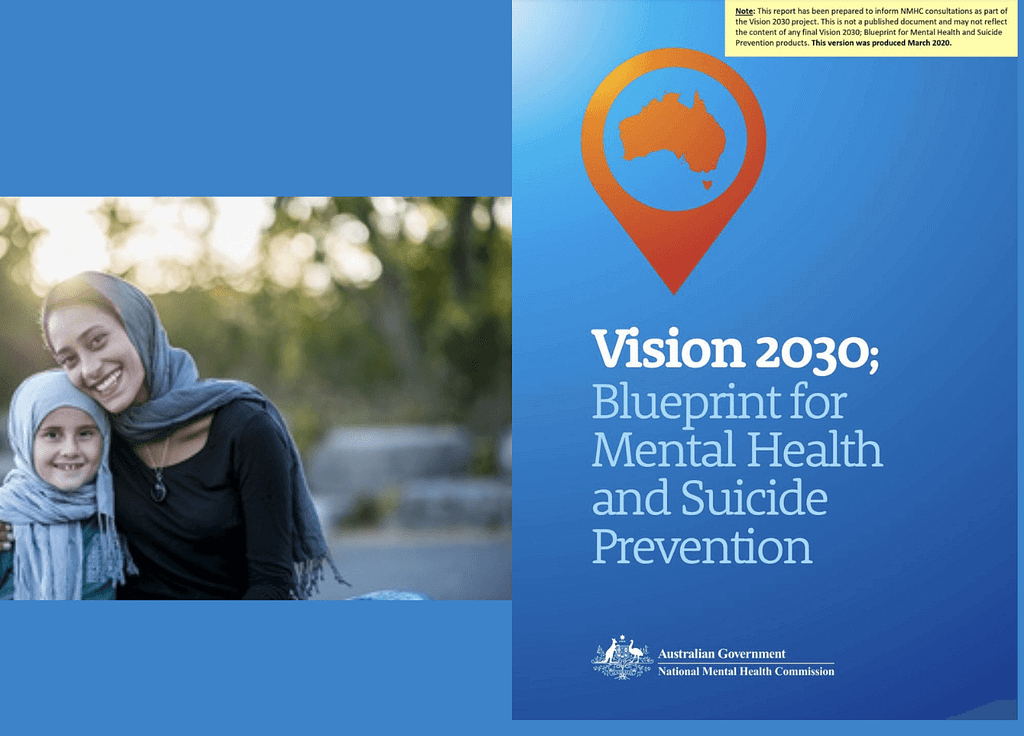
Research and Evidence-Based Approaches in Vision 2030
Research and evidence-based care are at the heart of Vision 2030 Australia Mental Health. The strategy emphasizes using reliable research, real-world data, and proven treatment methods to improve mental health services and deliver better outcomes for all Australians. Rather than relying on assumptions, Vision 2030 promotes policies and programs backed by scientific evidence and continuous evaluation.
Key focus areas include:
- Support Ongoing Research: Invest in mental health research to better understand the causes of mental illness, identify emerging challenges, and develop more effective treatments.
- Use Data to Improve Services: Collect and analyze healthcare data to monitor service quality, identify gaps in care, and ensure resources are directed where they are needed most.
- Adopt International Best Practices: Learn from successful mental health strategies implemented in other countries and adapt proven approaches to strengthen Australia’s mental health system.
- Promote Evidence-Based Treatments: Encourage healthcare providers to use therapies and interventions that are supported by clinical research and national guidelines.
- Measure Outcomes Regularly: Continuously evaluate mental health programs to determine what works, identify areas for improvement, and make informed policy decisions.
- Drive Continuous Improvement: Update services, policies, and treatment approaches as new research and technologies become available, ensuring Australia’s mental health system remains effective and responsive to changing community needs.
By combining research, data-driven decision-making, and international best practices, Vision 2030 Australia Mental Health aims to build a modern, high-quality mental health system that continues to improve over time.
Identifying Gaps in Mental Health Care
Limited Access in Rural Areas
Due to a lack of specialists in rural areas and being too far away from cities, people have to face many mental health challenges.
Underfunding
Due to a lack of financial resources, treatment of mental health patients means a long wait, a lack of facilities, or a large number of mental health specialists.
Workforce Shortages
The number of patients is increasing day by day and providing treatment to the patients and their care is my priority due to lack of mental health workers.
The Need for Comprehensive Services Through Vision 2030 Australia Mental Health
Holistic Care
A coordinated approach includes providing physical health, housing, and social services along with mental health treatment to patients based on their needs.
System Integration
Providing mental health treatment and physical health services to individuals is an important step in better coordination.
Increased Funding
By providing mental health services to people who have serious health issues, our funds can be saved. Because when there are fewer mental health patients, productivity will also increase.
Workforce Expansion
Mental health professionals do not work in rural areas without limited resources. If handsome income or a good lifestyle style are provided to professionals, then they will willingly work in backward areas.
The Role of Technology in Transforming Mental Health Care
In mental health care, telehealth proves helpful in providing therapy, consultation with specialists, and different support to individuals. Through telehealth, people can get treatment by remotely interacting with the mental health specialist. Instead of traveling long distances for treatment, patients can get better treatment from their homes.Through this app, patients can get treatment without disturbing their routines. Individuals can also get better solutions according to their needs.
The Future of Mental Health Technology in Australia
The Growth of Mental Health Apps
Many mental health apps have become very popular during modernization. These apps reduce depression management and guide individuals about therapy sessions. Mental wellness apps provide patients with an opportunity to promote their lives in a better way.
AI and Data-Driven Insights
Artificial Intelligence also plays a very important role in personal care. By recognizing the problems of patients, better treatment can be provided with the help of AI. With this, patients get care according to their needs.
Virtual Reality (VR) in Therapy
Virtual reality is used in therapy. VR provides such an environment to patients that provides relief from their anxiety, depression or worries. Virtual experiences combine with CBT to treat mental health conditions.
Conclusion
Vision 2030 Australia Mental Health represents a long-term commitment to building a more accessible, inclusive, and person-centred mental health system. By prioritizing early intervention, suicide prevention, integrated care, workforce development, research, and digital innovation, the strategy addresses many of the challenges facing Australia’s mental health services today. It also recognizes the importance of listening to people with lived experience and using evidence-based approaches to shape future policies.
Achieving the goals of Vision 2030 will require continued collaboration between governments, healthcare professionals, community organizations, researchers, and Australians themselves. With sustained investment and ongoing reform, this national vision has the potential to improve access to quality mental health care, reduce stigma, and create healthier communities where everyone has the opportunity to thrive.
Frequently Asked Questions
What is Vision 2030 Australia Mental Health?
Vision 2030 Australia Mental Health is a long-term strategy that aims to improve Australia’s mental health system through early intervention, better access to care, suicide prevention, integrated services, and evidence-based policies.
What are the main goals of Vision 2030 Australia Mental Health?
The strategy focuses on improving access to mental health services, reducing suicide rates, expanding the mental health workforce, promoting early intervention, reducing stigma, and using digital technologies to deliver more effective care.
Why is Vision 2030 important for Australia’s mental health system?
Vision 2030 addresses major challenges such as increasing demand for mental health services, long waiting times, workforce shortages, and limited access in rural and remote communities. It provides a roadmap for creating a more accessible and sustainable mental health system.
How does Vision 2030 Australia Mental Health support suicide prevention?
Vision 2030 promotes suicide prevention by encouraging early identification of people at risk, expanding crisis support services, improving access to mental health care, reducing stigma, and strengthening community awareness through evidence-based programs.
What role does technology play in Vision 2030 Australia Mental Health?
Technology plays a key role by expanding telehealth services, supporting mental health apps, using artificial intelligence for personalized care, and improving access to treatment for people living in regional and remote areas.

Sameya Salman is a writer at The Fit & Fresh who researches and writes about mental health and emotional well-being, with a focus on making topics like high-functioning depression easy to understand. She researches each article using trusted mental health sources to help readers recognize symptoms, understand treatment options, and feel less alone.

