
Confused about mental health Integration in Maryland? Discover how integrated care makes treatment easy and connects patients with better support.
In This Blog
Introduction
Mental Health Integration in Maryland is a healthcare model that combines mental health and primary care services to provide coordinated treatment. It helps patients receive faster diagnoses, better care coordination, improved access to behavioral health services, and better overall health outcomes through a team-based approach.
If you’ve ever felt frustrated by navigating separate healthcare systems for mental and physical health, you’re not alone. Maryland’s integrated care initiative is designed to make treatment more connected, convenient, and effective.
In this guide, you’ll discover how the program works, its benefits, the challenges it faces, and why it’s transforming healthcare across the state.
What is the Mental Health Integration Initiative in Maryland?
Mental Health Integration in Maryland is a healthcare approach that helps identify mental health conditions earlier and improves communication between healthcare providers. It increases access to behavioral health services and leads to better overall health outcomes. By offering coordinated, patient-centered care, Maryland’s Mental Health Integration Initiative aims to make healthcare more accessible, effective, and convenient for individuals and families across the state.
Why Is Mental Health Integration Important?
Mental health and physical health are closely connected, yet they are often treated separately. This can delay diagnosis, increase healthcare costs, and make treatment less effective. Mental Health Integration in Maryland addresses this problem by bringing behavioral health services into primary care settings. Patients can receive coordinated treatment from healthcare providers who communicate with one another, leading to earlier intervention, better chronic disease management, and improved overall well-being.
How Does Mental Health Integration Work in Maryland?
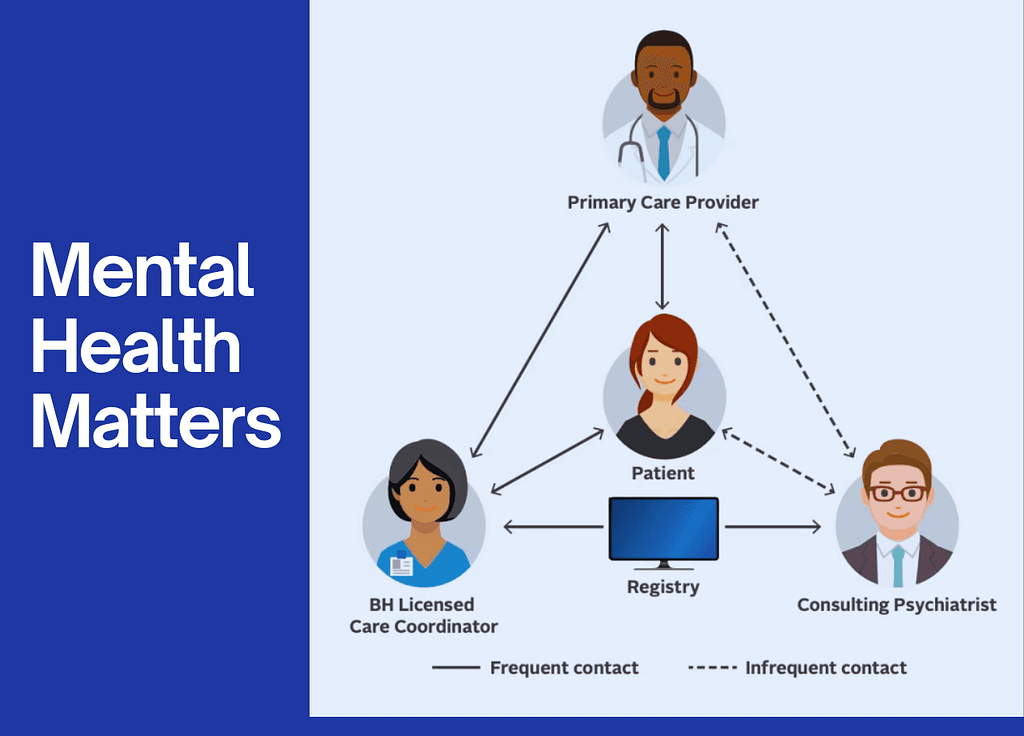
Mental Health Integration in Maryland follows a team-based care model where primary care providers, mental health specialists, nurses, and care coordinators work together. Patients are routinely screened for mental health conditions during primary care visits, and if additional support is needed, they can receive counseling, medication management, or specialist referrals without navigating separate healthcare systems. This coordinated approach improves communication between providers and ensures patients receive comprehensive care
Comparison
| Traditional Healthcare | Integrated Mental Healthcare |
|---|---|
| Separate appointments | Coordinated care in one setting |
| Limited communication | Healthcare providers collaborate |
| Delayed mental health support | Early screening and intervention |
| Multiple treatment plans | One personalized care plan |
| Less convenient | Easier access to comprehensive care |
Benefits of Integrated Care for Patients: Join Us!
Convenience:
Patients do not have to go to various consultants for physical and mental healthcare. This makes it very easy for them to get help, and individuals can receive good care in less time.
Better Coordination:
Mental health professionals or health consultants work together to share information, make care plans, and discuss the patient’s health. The Integrated Care Department is responsible for providing better treatment to patients.
Improved health outcomes:
Better healthcare provides better health. A healthy mind or healthy body helps patients overcome physical or mental issues or provides them with a healthy lifestyle.
Easier Access:
Patients do not go to the doctor because of financial problems, long wait times, or their own fears. Mental Health Integration in Maryland provide free and quick treatment to patients, which promotes a better lifestyle for them.
Who Can Benefit from Mental Health Integration in Maryland?
Mental health integration benefits people of all ages, including children, adults, and older adults. It is especially helpful for individuals living with anxiety, depression, PTSD, substance use disorders, or chronic physical conditions such as diabetes or heart disease. Caregivers and families also benefit because coordinated treatment reduces confusion and improves communication between healthcare providers.
Key strategies
Bringing Mental Health Experts into Primary Care Offices
Integrating mental health services provides the opportunity to recruit primary care doctors or mental health professionals. Healthcare providers or professional mental health experts’ experience produces good healthcare results.
Team-Based Care Approach
Doctors or mental health professionals do a lot of work and collect essential data to provide better treatment to patients. Apart from this, they also share that information and talk about these aspects which are important for mental health.
Using Telehealth for Mental Health Support
Telehealth is the latest application through which mental health experts and professionals can interact through video calls and phone calls. This app is beneficial for people who live in remote areas and cannot easily access doctors.
Training Doctors to Spot Mental Health Issues
Specialists use special training to help individuals overcome their depression or anxiety. The specialist who deals with the patient individually can do better for the patient’s health.
Training and Education for Healthcare Providers in Maryland
A mental health specialist is given proper training to understand mental problems. This training provides experience and helps doctors provide complete care.
Online and In-Person Training
We can get better training for healthcare specialists by attending online courses or workshops. This training proves beneficial for interacting with their patients.
Learning About Common Mental Health Issues
Health specialists are trained to understand mental health anxiety or depression. With these trainings, they can easily resolve issues by knowing the importance of dealing with the psychology of the patient.
Earn Certifications and Credits
After doing online courses, mental health professionals are provided with certificates that improve their skills. And these certificates help them a lot in their career.
Support and Guidance from Mental Health Experts
Healthcare providers achieve mentorship with mental health professionals, which means they have the best decision-making to handle those tough conditions and promote the patient’s health.
How Can Patients Access Integrated Mental Health Services in Maryland?
Mental health integration benefits people of all ages, including children, adults, and older adults. It is especially helpful for individuals living with anxiety, depression, PTSD, substance use disorders, or chronic physical conditions such as diabetes or heart disease. Caregivers and families also benefit because coordinated treatment reduces confusion and improves communication between healthcare providers.
Challenges and Solutions
Funding and Resource Barriers
Limited funding is one of the biggest challenges to Mental Health Integration in Maryland. Healthcare providers need financial support to hire mental health professionals, expand services, and improve care coordination. Maryland is addressing this challenge through grants, funding initiatives, and partnerships that help strengthen integrated care programs.
Workforce Shortages
The growing demand for mental health services has created a shortage of qualified professionals across Maryland. This can lead to longer wait times and reduced access to care, especially in rural communities. To improve access, Maryland is expanding workforce training, offering loan repayment programs, and using telehealth to connect patients with mental health specialists.

Real-Life Success Stories from Maryland’s Mental Health Integration Initiative
Case Study 1: Success in a Rural Maryland Community
In Maryland, mental health services are available to many providers across the country. Mental health integration or telehealth services provide treatment to residents at home. These trainings give relief and better outcomes to patients and improve their health.
Case Study 2: Impact on Children and Adolescents in Urban Areas
In urban areas of Maryland, children and adults face mental health challenges but because of their busy lives they are unable to focus on their health. Children quickly gain access to mental health training. These trainings are very beneficial for children and youngsters in terms of mental health.
Why Integrated Care Leads to Better Health Outcomes?
Integrated care helps healthcare providers identify mental health conditions earlier and create personalized treatment plans. Because providers share information and coordinate care, patients experience fewer treatment delays, better medication management, and improved long-term health outcomes. This approach also reduces unnecessary hospital visits and improves patient satisfaction.
The Future of Mental Health Integration in Maryland
The future of Mental Health Integration in Maryland looks promising as the state continues to invest in coordinated, patient-centered healthcare. Expanding telehealth services, improving workforce training, and increasing funding for integrated care programs will help more people access timely mental health support. By strengthening collaboration between primary care providers and mental health professionals, Maryland aims to improve early diagnosis, treatment outcomes, and overall community well-being. As integrated care continues to grow, patients can expect more accessible, personalized, and effective healthcare across the state.
Conclusion
Mental Health Integration in Maryland is transforming the way people receive healthcare by combining mental and physical health services into one coordinated system. This approach improves access to care, encourages early intervention, and helps patients receive more personalized treatment from a collaborative healthcare team. While challenges such as funding and workforce shortages remain, ongoing investments in training, technology, and telehealth are creating a stronger healthcare system. As these efforts continue, integrated care will play an important role in helping Maryland residents achieve better mental health, better physical health, and better overall quality of life.
Frequently Asked Questions
What is the public mental health system in Maryland
Maryland’s public mental health system provides behavioral health services to children, adults, and families through community clinics, hospitals, crisis programs, and primary care providers. It focuses on improving access to affordable treatment, early intervention, and coordinated care by integrating mental health services with physical healthcare whenever possible.
Is there free therapy in Maryland?
Yes, free or low-cost therapy is available in Maryland through community mental health centers, nonprofit organizations, local health departments, and programs funded by Medicaid or state resources. Eligibility depends on factors such as income, insurance coverage, and the services offered by participating healthcare providers.
What is the Mental Health Integration Initiative in Maryland?
The Mental Health Integration Initiative in Maryland is a healthcare approach that combines mental health services with primary care to provide coordinated treatment. It enables healthcare providers to work together, improving early diagnosis, care coordination, and access to behavioral health services while supporting better physical and mental health outcomes for patients.
How does Mental Health Integration in Maryland improve patient care?
Mental Health Integration in Maryland improves patient care by bringing primary care providers and mental health professionals together to deliver coordinated treatment. This approach supports earlier detection of mental health conditions, reduces barriers to care, enhances communication between providers, and helps patients receive more personalized and effective healthcare.
Who can benefit from Mental Health Integration in Maryland?
Mental Health Integration in Maryland benefits children, adults, older adults, and individuals living with mental health conditions or chronic physical illnesses. It is especially valuable for people experiencing anxiety, depression, substance use disorders, or ongoing medical conditions, as coordinated care helps improve treatment outcomes and overall well-being.

Sameya Salman is a writer at The Fit & Fresh who researches and writes about mental health and emotional well-being, with a focus on making topics like high-functioning depression easy to understand. She researches each article using trusted mental health sources to help readers recognize symptoms, understand treatment options, and feel less alone.

