
Explore high-functioning autism and depression, including symptoms, causes, burnout, treatment, and practical support for autistic adults.
What is High-Functioning Autism?
High-functioning autism is a common search term. Doctors now use the term Autism Spectrum Disorder (ASD) Level 1. This is for individuals who need some support. They may continue to have difficulties with social skills, routines, and sensory sensitivity.
Autism is not a mental health condition. It’s a neurological condition that affects the brain’s development. Each person with autism is unique. Some need very little help, but others need more support. Autism is not the cause of depression. The risk of depression may increase over time due to daily stress and life’s challenges.

Does High Functioning Autism Lead to Depression?
Yes. High-functioning autistics can suffer from depression. According to the research, they are at higher risk than the general population. Depression is not a result of autism. It’s a result of stress, isolation, masking, or sensory overload over one or more years.
Depression can reveal itself in autistic adults. People don’t take an interest in their hobbies and become more isolated. However, they feel empty rather than sad. Sleep and energy may also change. Early intervention can help in the recovery and quality of life.
How Common Is Depression in Autistic Adults?
It is common for autistic adults to suffer from depression. Research indicates that approximately 23% suffer from depression at present, and about 37% have it in their lifetime. These numbers are much higher than in the general population. This is a significant reason that mental health care is particularly crucial.
There are lots of factors that can increase the risk. Social isolation, bullying, and sensory overload are significant factors. Over time, stress disturbs emotional well-being. Diagnosis and help can have a significant impact.
Why Is Depression Often Missed?
It’s easy to overlook an autistic adult’s depression. Many of the symptoms of depression are like those of autism. A person is already involved in social events. They may also have fewer expressions on their faces. All these behaviors can hide new emotional issues.
Some people with autism struggle to communicate their emotions. They will not express depression. Rather, they talk about tiredness or having difficulty sleeping. Others feel more irritated or upset. Treatment is an important factor that can help lead to improved outcomes.
The science behind autism and depression.
Studies reveal that there is a close association between autism and depression. Depression is not an immediate result of autism. The risk increases due to stress and challenges over a long period. Adults with autism experience social pressure, sensory problems, emotional fatigue, and more. These experiences can have lasting impacts on mental health.
Genetics and brain function are also involved. Changes in brain chemicals, such as serotonin, may increase the risk of depression. There’s also significance to life experiences. Depression can be a risk factor due to bullying, isolation, and ongoing stress. That’s why it’s important to have support for autistic adults in mental health.
The Brain
Some tasks may be more challenging in everyday life. Social interactions, sudden shifts, and noisy surroundings can be stressful. This stress can eventually result in emotional exhaustion.
Chronic stress
Chronic stress has an impact on the brain and body. Sleeping can affect mood and energy. Others may struggle to regulate their feelings in stressful times. This continual pressure can heighten depression risk without proper coping mechanisms.
The Role of Alexithymia
Alexithymia is also common among autistic adults. People have difficulty determining feelings. One can sense that something is amiss, but they cannot articulate why. This can make it difficult to identify depression.
Another issue with alexithymia is that the person may not seek out help soon. A person may feel stress or tiredness or have a headache rather than sadness. Family members recognize the signs. Emotion recognition in therapy or self-awareness can have positive mental health benefits.
Why Autistic Adults Are More Vulnerable to Depression
Autistic adults have to balance social demands, sensory sensitivities, and daily stress. If support is not there in enough amounts, these experiences can be overwhelming. Emotional well-being can deteriorate with time.
Depression has become a cause of many factors. This can be due to stress from school or work, issues with relationships, and feeling misunderstood. The knowledge of these risk factors enables people to get help before symptoms get serious.
Social Masking
Most people mimic facial expressions, make eye contact, or practice conversations. Others may never understand the difficulty you had with doing these things. It can be exhausting to wear a mask. It can be a source of stress and anxiety. After some time, some start to feel lost in their lives, as if they are not on the right track. This emotional strain can contribute to depression and the possibility of autistic burnout.

Sensory Overload
Many autistic people respond to sounds, lights, smells, and nearness. The routine of everyday life can be a challenge. When senses overload, regular activities can be stressful.
If the stimuli are repeated enough, then they can produce mental fatigue. Other people start to avoid work, school, or social gatherings. The isolation can have an impact on emotional well-being. There will be plenty of stress reduction—a quiet environment with regular breaks.
Loneliness
Adults with autism want close friendships. It can be difficult to develop and maintain relationships sometimes. Isolation can result from communication misunderstandings or differences. Others are also bullied or ostracized. It can impact self-esteem if there is a long period of time during which a person feels disconnected. It can also make a person more susceptible to depression. Relationships have an impact. One trusted friend/family member can mean the world of difference in the world of emotional health.
Late Autism Diagnosis
The signs of autism can only be recognized in adulthood. A late diagnosis can sometimes come as a relief and answer questions. It assists persons to have an understanding of their experiences. They may also have the right coping mechanisms and supports. Diagnosing early or late can be a crucial step in improving mental health.
How does depression appear in autistic adults?
Autistic adults can experience depression in different ways. Some people are sad, while others experience a coldness. There are lots of people who give up their favorite hobbies. Everyday activities may feel more difficult for them. Some changes in sleeping habits, eating habits, or energy levels are also typical. Others get more angry rather than crying. The changes are typically sudden and/or progressive.
Some symptoms of depression are similar to autism. It is hard to detect depression in some children. For instance, an individual who liked a preferred routine might stop doing it unexpectedly. A person who copes well with daily life can start experiencing difficulties with basic tasks. If these changes continue for two weeks or longer, it is important to get professional assistance.
Depression Symptoms vs Autism Traits
| Autism Traits | Depression Symptoms |
|---|---|
| Present from early childhood | Develop later or appear suddenly |
| Enjoys routines and familiar activities | Loses interest in favorite activities |
| Prefers limited social interaction | Withdraws more than usual |
| Stable communication style | Speaks less or loses motivation to communicate |
| Sensory sensitivity is long-term | Sensory issues may feel more intense |
| Energy level is usually consistent | Constant tiredness or low energy |
| Emotional expression follows personal style | Persistent sadness, emptiness, or hopelessness |
| Daily habits remain predictable | Sleep or appetite changes noticeably |
| Behavior stays fairly consistent | Clear change from previous behavior |
The Difference between Autistic Burnout and Depression
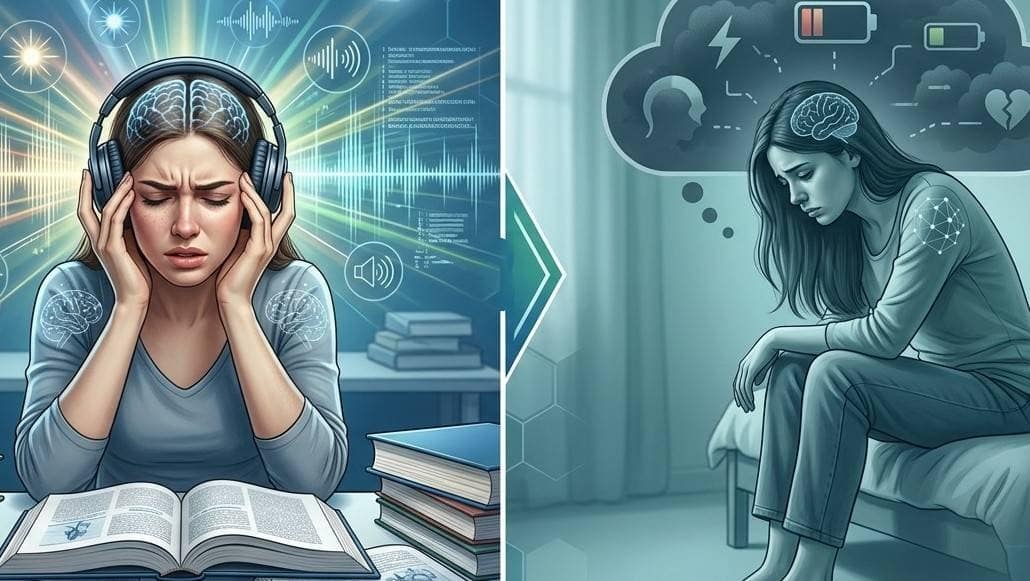
Autistic burnout and depression feel similar, but they are different. Burnout occurs when stress, masking, or sensory overload has been present for extended periods of time. People feel fatigue mentally and physically. Daily activities become more challenging. However, depression impacts mood, thought patterns, and interest in life. People become hopeless and empty.
It is also possible to have both conditions at the same time. Insufficient support for dealing with stress can lead to burnout, which may increase the risk for depression. It is helpful for people to recognize differences to select the appropriate treatment. A healthcare provider is able to give the correct diagnosis and offer optimal care.
| Autistic Burnout | Depression |
|---|---|
| It is caused by long-term stress and masking | It is caused by multiple biological, psychological, and life factors |
| The main symptom is extreme exhaustion | The main symptom is persistent low mood or hopelessness |
| Sensory sensitivity often becomes worse | Sadness and loss of interest are more common |
| Rest and reduced stress often help | Usually needs professional treatment and support |
| May improve after removing stress | Can continue even after stress decreases |
| Daily skills may temporarily decline | Motivation and enjoyment usually decline |
Best Treatment Options
Only one method of treatment is not suitable for all people. Treatment will differ depending on the individual and their symptoms. A combination of therapy, healthy daily habits, and family or friends’ support is beneficial for many autistic adults. Early treatment provides better results, and this will enhance the quality of life.
Treatment is performed according to the individual’s sensory and communication needs. The key to reducing stress is having a calm atmosphere, a set schedule, and clear expectations. Treatment outcomes can be enhanced by working with a healthcare professional who has experience in autism.
Therapy, Medication, and Daily Lifestyle Changes
Therapy is the first step of treatment. Therapies such as cognitive-behavioral therapy (CBT) also help individuals to control negative thinking and develop healthy coping resources. The best therapy deals with the needs of autistic adults.
For moderate or severe depression, treatment with medication is recommended. Some individuals can benefit from taking antidepressants, but only under medical supervision. Different medications and dosages are required in different amounts for each person.
Other healthy practices help to heal you throughout the day. Over time, such actions as regular sleep, a balanced diet, exercise, and stress management will help to improve mood. Sensory breaks and maintaining positive relationships with supportive people are also helpful in decreasing emotional stress. With the proper support, meaningful results can be achieved in many adults who are diagnosed with autism and have survived the disease, but it takes time.
When to call the professionals
Sadness or stress is a universal experience at times. Depression is different. When a feeling of sadness, hopelessness, and/or loss of interest persists for two weeks or more, it’s time to get professional help. If everyday activities, work, school, or relationships are challenging, then it is essential to seek professionals. Symptoms can get worse if not treated early.
A mental health expert can determine if symptoms are due to depression, autistic burnout, anxiety, or another condition. They can also develop a treatment plan that will meet your needs. If you or a loved one has thoughts of self-harm/suicide, get immediate emergency help. Asking for help is a measure of strength, and recovery is possible with appropriate care.

Conclusion
High-functioning autism is not a cause of depression. It can create a risk of depression due to chronic stress, masking, sensory overload, loneliness, and delayed diagnosis. Depression can recognize differently in autistic adults and be harder to catch at first glance. Early support and better outcomes can be achieved because of knowledge of warning signs. There are ways of treatment that can really help. Many autistic adults can also experience depression and learn to go through it and enjoy life through therapy, healthy habits, supportive relationships, and professional care. If you feel changes in your mood or daily activities, don’t ignore them. Early intervention can help to improve mental health and a healthy future.
Frequently Asked Questions
Can high-functioning autistic people be successful?
Yes. People with high-functioning autism have successful careers and full lives. They tend to be very strong in areas where they are strong, like technology, science, engineering, art, writing, or research. Success requires the proper support, proper environment, and mental health. With understanding and appropriate accommodations, autistic persons can flourish personally and professionally.
What are the signs of high-functioning autism in adults?
Signs are often different for each person, but they often include a lack of social skills, a preference for routine, sensory sensitivity, and an interest in certain topics. Small talk is difficult for some adults, or they get tired after talking to people. Many use social masking too to adapt to commonplace conditions. The only way to confirm a diagnosis of autism is to have a professional evaluation.
Is there a connection between high IQ, autism, and depression?
People with high IQs are not depressed. Some high-functioning, intelligent autistic individuals may become more conscious of social differences or daily difficulties, however. This awareness can raise stress, anxiety, and/or isolation. Depression is typically the result of a combination of long-term stress, masking, loneliness, and not getting enough support, not intelligence.
What are the characteristics of a highly intelligent autistic child?
A highly intelligent autistic child may learn rapidly and have good memory and exceptional knowledge of his favorite subjects. They can solve complex problems, or they might notice patterns that others can’t. They can also have some difficulty with social communication, sensitivities to their senses, or changes in routine at the same time. Each autistic child is an individual, and so strengths and difficulties will vary among children.
(This article is for informational and educational purposes only and is not intended to replace professional medical advice, diagnosis, or treatment. Always consult a qualified healthcare provider regarding any medical or mental health concerns.)

Sameya Salman is a writer at The Fit & Fresh who researches and writes about mental health and emotional well-being, with a focus on making topics like high-functioning depression easy to understand. She researches each article using trusted mental health sources to help readers recognize symptoms, understand treatment options, and feel less alone.