
Learn the difference between Dysthymia vs High-Functioning Depression, including symptoms, causes, and when to seek professional mental health support.
In This Blog
Introduction
(This guide is meant to help you understand ongoing low mood and emotional struggles, not to label or diagnose you.)
Do you often feel low and still manage work, care for your family, and complete daily tasks? From the outside, life may look normal. Inside, it feels heavy and tiring. This is why many people start searching for “dysthymia vs. high-functioning depression.” Both involve low mood, but they are not the same. Understanding the difference helps people stop blaming themselves and start making sense of what they feel.
In this guide, you‘ll learn how dysthymia compares to high-functioning depression, and how these differ from major or clinical depression. We’ll talk about signs, daily impact, and why these conditions are often missed. The goal is to give you clarity, reduce confusion, and help you know when professional mental health support may be helpful.
Depression Is Not Always Obvious
Why Depression Isn’t Always About Crying or Staying in Bed
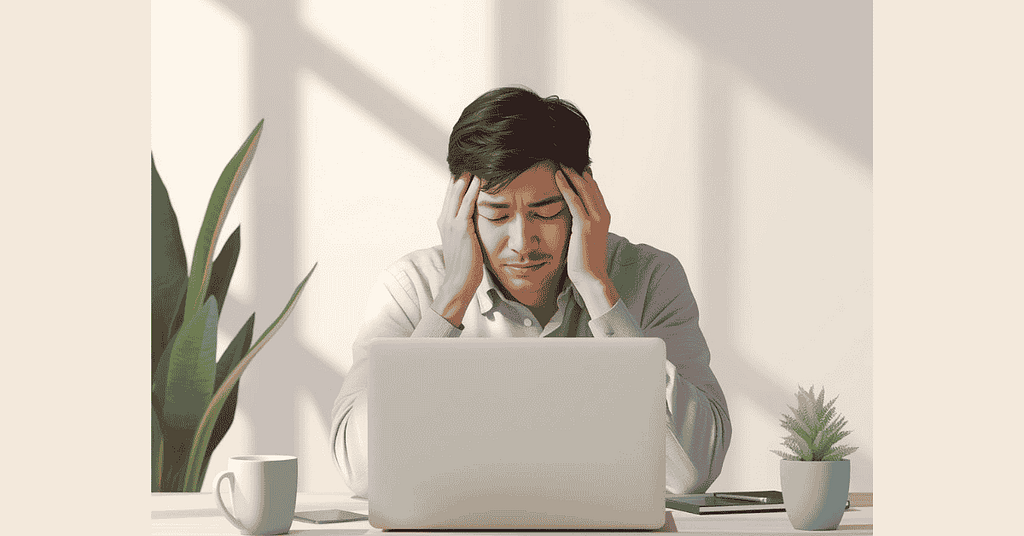
Many people think depression means crying all the time or staying in bed all day. But that’s not always true. Some people with depression still go to work, take care of their family, and handle daily life. Inside, they feel tired, low, or empty. This is common in high-functioning depression, where pain is quiet and easy to miss.
The Problem With the “High vs Low Functioning” Myth
People are often labeled as “high-functioning” or “low-functioning.” This can be harmful. On the surface, everything seems fine. Emotionally, it feels like carrying weight no one else can see.
Many people push themselves every day while feeling disconnected. This belief often keeps people silent, especially those dealing with smiling depression or chronic low mood.
How Society Rewards Productivity
Our society values staying busy and getting things done. Working hard is praised. Resting or talking about feelings is not. Because of this, many people hide their emotional pain. Over time, dysthymia and high-functioning depression can go unnoticed, even when the struggle lasts for years.

What Is Dysthymia?
Dysthymia: What It Means
Dysthymia is also called dysthymic depression or chronic depression. It is a long-term low mood. It lasts for years, not weeks. The feelings are usually not extreme, but they do not fully go away. Over time, this low mood can start to feel normal, even though it affects daily life.
Why Dysthymia Often Goes Undiagnosed
Many people with dysthymia think their feelings are just part of who they are. They may say, “This is just my personality,” or “Others have it worse.” Because the symptoms feel milder than major depression or clinical depression, people often ignore them and delay seeking help.
How Long Does Dysthymia Last
One main difference between dysthymia and depression is time. Dysthymia is defined by how long it lasts, not how strong it feels. In adults, symptoms continue for years.

Why Duration Matters More Than Intensity
In dysthymia vs major depressive disorder, major depression may feel stronger but often comes in episodes. Dysthymia stays in the background for a long time. Even mild symptoms can slowly affect confidence, motivation, and emotional health when they never fully lift.
Emotional and Mental Signs of Dysthymia
People with dysthymia may experience:
- Low motivation, making everyday tasks feel harder
- Quiet hopelessness, even when life looks okay
- Emotional dullness, where happiness feels far away
What Is High-Functioning Depression?
Why High-Functioning Depression Is a Descriptive Term, Not a Diagnosis
High-functioning depression is not an official medical diagnosis. Instead, it’s a way to describe people who feel depressed but continue to meet their daily responsibilities. Unlike clinical depression or major depressive disorder, the symptoms are often quiet and easy to miss. Because of this, others—and sometimes even the person themselves—may not realize they are struggling.
High-Functioning Depression: Complete Guide
The Reality Behind “Smiling Depression”
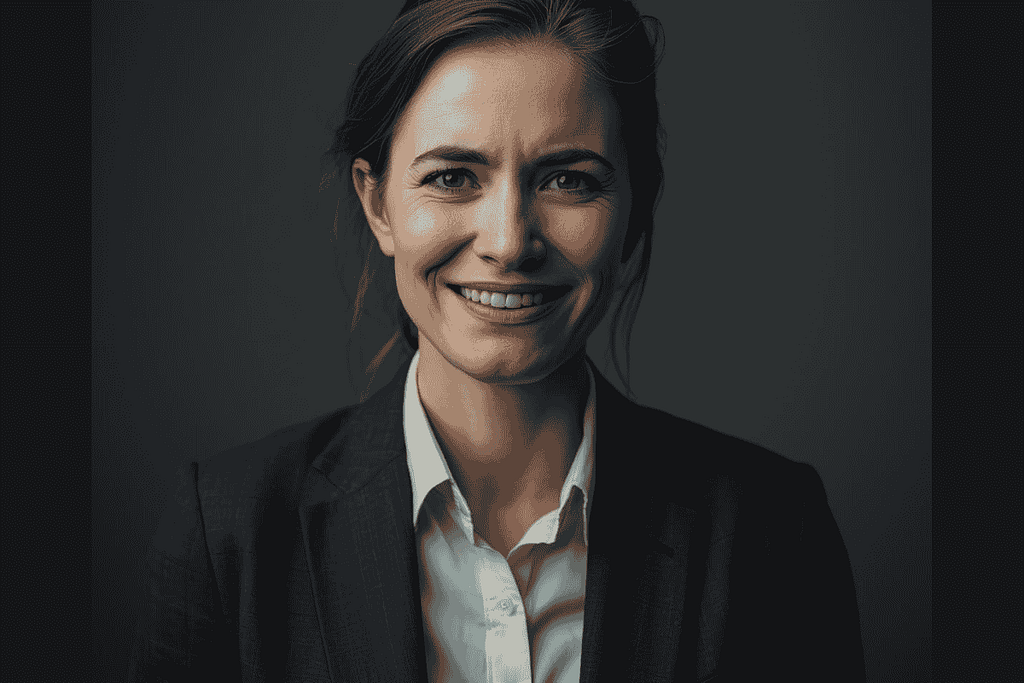
This condition is often called smiling depression because people hide their inner pain behind a calm or happy exterior. Outwardly, they may seem fine, but inside, they experience sadness, fatigue, or emptiness. Unlike dysthymia, this condition can be masked by daily routines and social interactions.
How People Stay Productive While Feeling Empty
People with high-functioning depression often maintain work, school, and family responsibilities. They can appear organized, reliable, and even successful. However, this productivity comes at a cost. Keeping up these appearances requires constant effort, leaving little energy for self-care, hobbies, or genuine joy.
The Hidden Cost of Always Holding It Together
Stress, anxiety, and feelings of inadequacy can build up silently. Unlike dysthymia vs severe depression, where symptoms may be more noticeable, high-functioning depression is often invisible. It can delay seeking help and support. Many people don’t realize how exhausted they are until they finally slow down.
Dysthymia vs High-Functioning Depression
Duration
Dysthymia is often called chronic depression or persistent depression. In it, the low mood stays for years and slowly becomes part of daily life. Many people stop noticing it because it feels normal to them. This is why dysthymia is often compared with dysthymia vs mild depression or dysthymia vs minor depression.
On the other hand, high-functioning depression is usually situational. It often shows up during long-term stress, burnout, or emotional pressure. The feelings may come and go, especially when life feels overwhelming.
Visibility
With dysthymia, the emotional pain is quiet. A person may seem low-energy, negative, or unmotivated, but not clearly depressed. The struggle stays in the background.
With high-functioning depression—sometimes called smiling depression—the opposite happens. A person looks fine on the outside. They work, smile, and stay busy. Inside, they feel tired, empty, or emotionally drained. This makes the condition easy to miss.
Self-Awareness: Knowing Something Is Wrong
People with high-functioning depression often feel that something isn’t right. They may say, “I’m doing everything, but I still feel exhausted.”
People with dysthymia are more likely to believe their low mood is just who they are. They may think, “This is just my personality.” Because of this, dysthymia is often overlooked or confused with clinical depression or major depressive disorder.
Dysthymia vs High-Functioning Depression: Simple Comparison Table
| Point of Comparison | Dysthymia (Chronic Low Mood) | High-Functioning Depression |
| How long it lasts | Lasts for years | Comes and goes over time |
| Type of condition | A recognized depressive disorder | A descriptive term, not a diagnosis |
| Mood pattern | Constant low mood that rarely lifts | Low mood hidden behind productivity |
| Daily functioning | Life feels dull but manageable | Daily tasks are done, often very well |
| Outside appearance | May seem quiet, low-energy, or negative | Appears fine, successful, or happy |
| Emotional experience | Feels flat, empty, or quietly hopeless | Feels stressed, exhausted, or numb |
| Self-awareness | Often feels “this is just how I am.” | Often knows something is wrong |
| Common thought | “This is normal for me.” | “I just need to push through.” |
| Why it’s missed | Symptoms feel mild and familiar | Symptoms are hidden by performance |
| Related terms | Chronic depression, persistent depression | Smiling depression, hidden depression |
Symptoms Both Conditions Share (And Why They’re Often Missed)
Both dysthymia and high-functioning depression share many symptoms. People often confuse dysthymia vs depression or even compare it with mild or clinical depression. Because these signs don’t look severe, they are easy to miss or dismiss.
Emotional Symptoms
- Sadness without tears: Feeling low most days without crying or visible distress
- Emotional numbness: Feeling flat, empty, or disconnected from joy
These emotional signs are common in dysthymic depression and smiling depression, where pain stays hidden.
Mental and Cognitive Symptoms
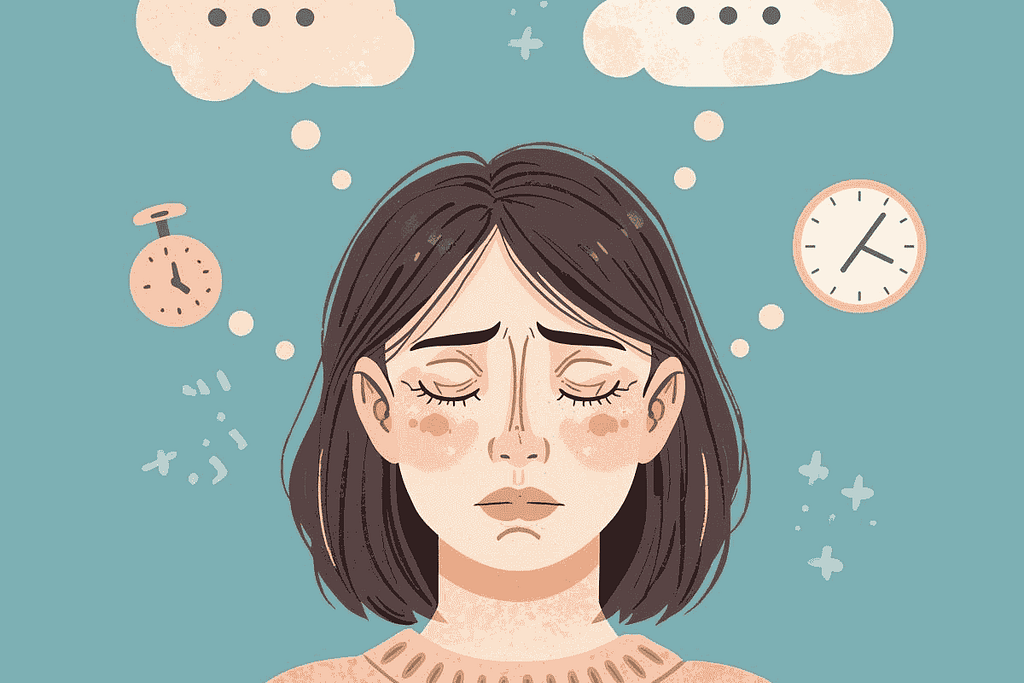
- Overthinking: Replaying conversations or worrying constantly
- Self-criticism: Harsh inner talk and feeling “not good enough.”
- Mental fatigue: Feeling mentally tired even after sleep
Behavioral Patterns
- Staying busy: People keep their lives busy to avoid feelings.
- Avoiding stillness: Feeling uneasy when things slow down
Because people with high-functioning depression continue working and socializing. These behaviors rarely raise concern, even though they reflect ongoing emotional struggle.
Signs of Dysthymia People Commonly Overlook
Chronic Low Energy
People with dysthymia often feel tired all the time. Rest helps a little, but the energy never fully comes back. This constant tiredness, which is different from normal stress. It is often confused with aging, burnout, or laziness.
Persistent Negative Self-Talk
Negative thoughts become automatic. People may blame themselves, expect the worst, or feel they are not good enough. This inner voice is quiet but constant. However, it plays a big role in dysthymia vs mild depression, where symptoms are subtle but long-lasting.
Losing Interest Without Noticing It
Hobbies, goals, and social plans slowly stop feeling exciting. The change happens so gradually that many people don’t realize they’ve lost interest. This emotional dullness is a key sign of dysthymia vs major depressive disorder, where intensity may differ, but the emotional impact is real.
What Causes These Forms of Depression?
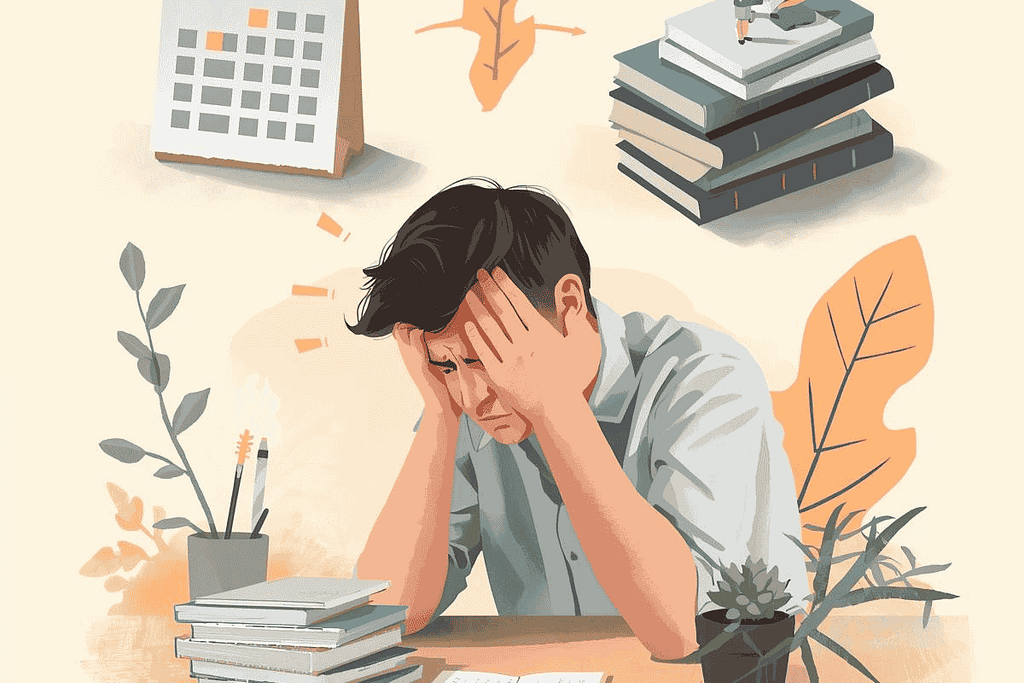
There is no single cause of depression. Conditions like dysthymia, chronic depression, and high-functioning depression usually develop from a mix of biological, emotional, and life-related factors. Understanding these causes helps explain why depression can affect anyone—even people who seem strong and capable.
Brain Chemistry and Genetic Vulnerability
Depression can be linked to how the brain regulates mood, energy, and stress. Some people are also more vulnerable because of family history. This doesn’t mean depression is guaranteed, but it can increase the risk of developing conditions like dysthymia, depression, or major depressive disorder over time.
Chronic Stress and Emotional Burnout
Long-term stress plays a major role. Constant pressure from work, caregiving, or financial worries can slowly drain emotional energy. When stress never fully eases, it may lead to high-functioning depression. People keep going but feel emotionally worn down inside.
Childhood Emotional Neglect
Growing up without emotional support or invisible feelings can affect how a person handles emotions later in life. Many adults with dysthymia vs chronic depression learned early to ignore their feelings, which can lead to long-term low mood
Cultural Pressure to Always Be Strong
Many cultures value strength, productivity, and self-reliance. While these traits are often praised. They can also discourage people from asking for help. This pressure makes it easier for smiling depression or high-functioning depression to go unnoticed, even when emotional pain is present.
Support and Treatment Options (Educational Overview Only)
Medical Disclaimer: This information is for educational purposes only. It does not replace professional medical advice, diagnosis, or treatment. Always consult a licensed mental health professional for personal concerns.
Support for dysthymia, chronic depression, and high-functioning depression looks different for each person. The goal is to find support that fits the person, not force the person to fit a solution.
Therapy as a Safe Starting Point
Therapy is often the first step many professionals recommend. Talking with a licensed mental health provider can help people understand their emotions, thought patterns, and long-term stress. Therapy can be especially helpful for people comparing dysthymia vs major depression or feeling unsure where they fit. It offers a safe space to speak openly without judgment.
Lifestyle and Emotional Support Strategies
Daily habits can also support emotional well-being. This may include improving sleep, managing stress, setting healthy boundaries, and staying connected with supportive people. Lifestyle changes alone may not treat clinical depression. They can help reduce emotional strain and support recovery alongside professional care.
Why There Is No One-Size-Fits-All Solution
Depression does not affect everyone the same way. Factors like duration, life stress, personal history, and emotional needs all matter. That’s why professionals avoid quick fixes. Whether someone is dealing with dysthymia vs mild depression or high-functioning depression, support works best when it is personalized and guided by a trained professional.
Conclusion of Dysthymia vs High-Functioning Depression
To conclude, feeling low for a long time or feeling empty while still “functioning” can be confusing. When people learn the difference between dysthymia and high-functioning depression, many feel relief.
This article is not about diagnosing yourself. It’s about awareness, self-compassion, and understanding that quiet struggles are still real. Whether the low mood has lasted for years or is hidden behind productivity, emotional pain deserves attention and care.
If any part of this guide felt familiar, that matters. You don’t have to push through alone or explain your pain away. Reaching out to a licensed mental health professional can be a supportive first step toward clarity, support, and feeling more like yourself again.
FAQs (Frequently Asked Questions )
What is high-functioning depression?
High-functioning depression describes a person who feels depressed but continues to manage work, family, and daily responsibilities. People may appear fine on the outside, but inside they feel tired, empty, or emotionally drained.
What is the difference between dysthymia and major depression?
The main difference is duration versus intensity. Dysthymia (persistent depressive disorder) is a long-lasting, low-grade depression that continues for years, while major depression is more intense but usually occurs in episodes that may come and go.
What does high-functioning mean in psychology?
In psychology, high-functioning means a person can meet daily responsibilities despite emotional or mental distress. It does not mean the person is emotionally healthy. Many people function well while silently struggling with stress, anxiety, or depression.
How is DPD different from depression?
DPD is a long-term form of depression that lasts for years, while depression can be short-term or episodic. DPD, also called dysthymia, involves persistent low mood that may feel “normal” over time, whereas other forms of depression, such as major depressive disorder, are usually more intense but shorter in duration.

Sameya Salman is a writer at The Fit & Fresh who researches and writes about mental health and emotional well-being, with a focus on making topics like high-functioning depression easy to understand. She researches each article using trusted mental health sources to help readers recognize symptoms, understand treatment options, and feel less alone.