
Looking for Judith Joseph High-Functioning Depression? Get a clear overview of symptoms, signs, causes, and practical treatment insights.
Introduction
If you appear successful, productive, and capable but still feel emotionally numb, exhausted, or disconnected, you may wonder whether something deeper is going on. This is the central idea behind Judith Joseph High-Functioning Depression. It is a term Dr. Judith Joseph uses to describe depressive symptoms
Some people keep working, caring for others, exercising, socializing, and meeting deadlines while privately struggling with low mood, loss of pleasure, fatigue, or emptiness.
In her research and book High Functioning, Dr. Judith Joseph explores this less-visible experience and introduces a framework called the Five Vs: Validation, Venting, Values, Vitals, and Vision.

What Is High-Functioning Depression?
High-functioning depression generally refers to having depressive symptoms while continuing to perform well or maintain responsibilities. A 2025 study led by Judith F. Joseph described high-functioning depression in adults as depressive symptoms—including fatigue, reduced pleasure, poor concentration, guilt, restlessness, sleep problems, and appetite changes—without the functional impairment typically associated with depression.
It is important to make one distinction: high-functioning depression is not a separate formal diagnosis listed by the National Institute of Mental Health (NIMH). Depression can take different forms, including major depression and persistent depressive disorder, and a qualified clinician needs to assess symptoms, duration, severity, and their impact.
Why Can Depression Be Hidden?
High-functioning depression may use productivity as a coping strategy. Staying busy can make it easier to avoid uncomfortable emotions or difficult thoughts.
For example, a person might:
- Work long hours but feel little satisfaction from achievements.
- Keep a busy social calendar while feeling emotionally disconnected.
- Take excellent care of everyone else but neglect your own needs.
- Become uncomfortable when there is nothing to do.
- Continue achieving goals while feeling increasingly empty.
Dr. Judith Joseph’s Perspective on High-Functioning Depression
Dr. Judith Joseph is a board-certified psychiatrist and researcher whose work focuses on mental health and trauma. She is also the author of High Functioning, published in 2025.
Her perspective on high-functioning depression focuses on a problem that can be easy to overlook: people may not recognize their own distress when they are still accomplishing things.
What Does Dr. Judith Joseph Mean by High Functioning?
According to Joseph, people with high-functioning depression may cope by over-functioning rather than withdrawing from responsibilities. In an interview about her research, she described patterns such as keeping constantly busy, difficulty sitting still, emotional numbness, and defining self-worth through achievement or caring for others.
That does not mean every busy or ambitious person is depressed. Productivity, perfectionism, or a demanding schedule alone are not enough to identify depression.
Instead, the useful question is whether persistent changes in mood, pleasure, energy, sleep, concentration, or emotional well-being are occurring underneath that productivity.
Signs and Symptoms of High-Functioning Depression
The signs of high-functioning depression can overlap with symptoms of depression generally. NIMH lists symptoms such as persistent sadness or emptiness, loss of interest or pleasure, fatigue, difficulty concentrating, sleep changes, appetite changes, guilt, hopelessness, and irritability.
Emotional Signs
Possible emotional signs include:
- Feeling empty or emotionally numb.
- Finding it difficult to experience pleasure.
- Feeling disconnected from activities that once mattered.
- Irritability or restlessness.
- Persistent guilt or self-criticism.
- Feeling that life has become about getting through the day.
A particularly important sign can be anhedonia, or reduced ability to experience pleasure. Someone may achieve something objectively positive yet feel little or nothing afterward.
Behavioral Signs
High-functioning depression may also appear through behavior:
- Constantly staying busy.
- Overworking.
- Taking on too many responsibilities.
- Struggling to relax.
- Putting other people’s needs first.
- Avoiding difficult emotions by focusing on tasks.
- Maintaining a successful public image despite private distress.
These behaviors do not prove depression. They become more meaningful when they occur alongside persistent emotional or physical symptoms.
Physical and Cognitive Signs
Depression can affect the body and mind as well as mood. Possible symptoms include:
- Low energy or persistent fatigue.
- Poor concentration.
- Sleep difficulties or excessive sleeping.
- Changes in appetite.
- Feeling slowed down or unusually restless.
- Difficulty making decisions.
If these symptoms are persistent or worsening, consider discussing them with a healthcare professional rather than assuming they are simply the result of being busy.
Dr. Judith Joseph’s Five Vs for Joy
A central part of dr judith joseph high functioning depression content is her Five Vs framework. In High Functioning, Joseph presents these five tools as a way to understand emotional patterns and work toward greater joy.
Validation
Validation means acknowledging what you are feeling rather than immediately dismissing it.
Instead of saying, “I have no reason to feel this way,” you might ask, “What am I actually feeling right now?”
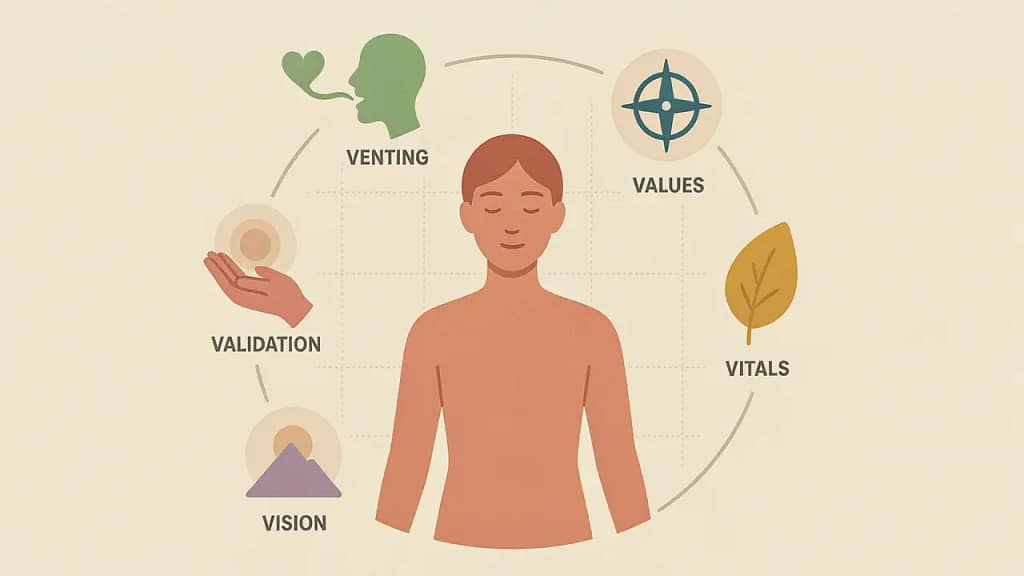
Venting
Venting involves finding healthy ways to express difficult emotions and accumulated stress.
That could mean talking with someone you trust, writing, drawing, singing, crying, or using another form of emotional expression that feels appropriate to you. Joseph has emphasized that venting does not have to mean talking if verbal expression is uncomfortable. (Los Angeles Times)
Values
Values focus on what genuinely matters to you—not simply what looks successful from the outside.
Ask yourself:
- What relationships matter most to me?
- What activities give my life meaning?
- Which goals reflect my values rather than other people’s expectations?
This part of the framework connects closely with Judith Joseph joy, because meaningful activities can provide a different source of fulfillment than external achievement.
Vitals
Vitals involve paying attention to foundational aspects of well-being, including sleep, movement, nutrition, relationships, technology use, and work-life balance.
These habits should not be treated as a replacement for professional depression treatment. Instead, they can be part of a broader approach to emotional health.
Vision
Vision is about creating a meaningful direction for the future while also noticing positive moments in the present.
Rather than postponing happiness until a major goal is achieved, the idea is to recognize everyday progress and intentionally make room for experiences that matter.
How to Support Yourself When You Feel Depressed but Still Functioning
If you recognize yourself in descriptions of high-functioning depression, you do not have to wait until your life falls apart before asking for help.
Start by paying attention to patterns rather than isolated bad days.
Stop Using Productivity as Your Only Measure of Well-Being
Ask more than, “Am I getting everything done?”
Also ask:
- Do I enjoy the things I used to enjoy?
- Do I feel emotionally connected to people?
- Am I constantly exhausted?
- Can I rest without feeling guilty?
- Have my sleep, appetite, or concentration changed?
Make Room for Honest Self-Reflection
A simple daily check-in can help:
What am I feeling? What do I need? What is one thing I can do today that supports my well-being?
You do not need to solve everything at once.
Talk to a Professional
If symptoms persist, interfere with your quality of life, or become difficult to manage, consider speaking with a doctor, psychologist, psychiatrist, or other qualified mental health professional.
If you experience thoughts of suicide or self-harm, seek immediate help through local emergency services or a crisis service available in your country. Depression can be treated, and you do not need to wait until you stop functioning to deserve support.
Can High-Functioning Depression Be Treated?
Yes. Treatment for depression can include psychotherapy, medication, or a combination of both, depending on an individual’s symptoms and medical situation. NIMH also notes that treatment decisions should be made with a qualified healthcare professional.
Therapy
Evidence-based approaches such as cognitive behavioral therapy and interpersonal therapy can be used to treat depression. Therapy may help with negative thought patterns, behaviors, relationships, coping skills, and other factors contributing to symptoms.
Medication
Antidepressant medication is another established treatment option for depression. It should be discussed with a qualified healthcare provider, particularly because medication choice, benefits, side effects, and interactions vary from person to person.
Lifestyle Support
Regular sleep, physical activity, nutritious meals, social connection, and manageable routines can support mental health. However, lifestyle changes should complement—not replace—appropriate professional care when depression is present.
Judith Joseph’s Book on High-Functioning Depression
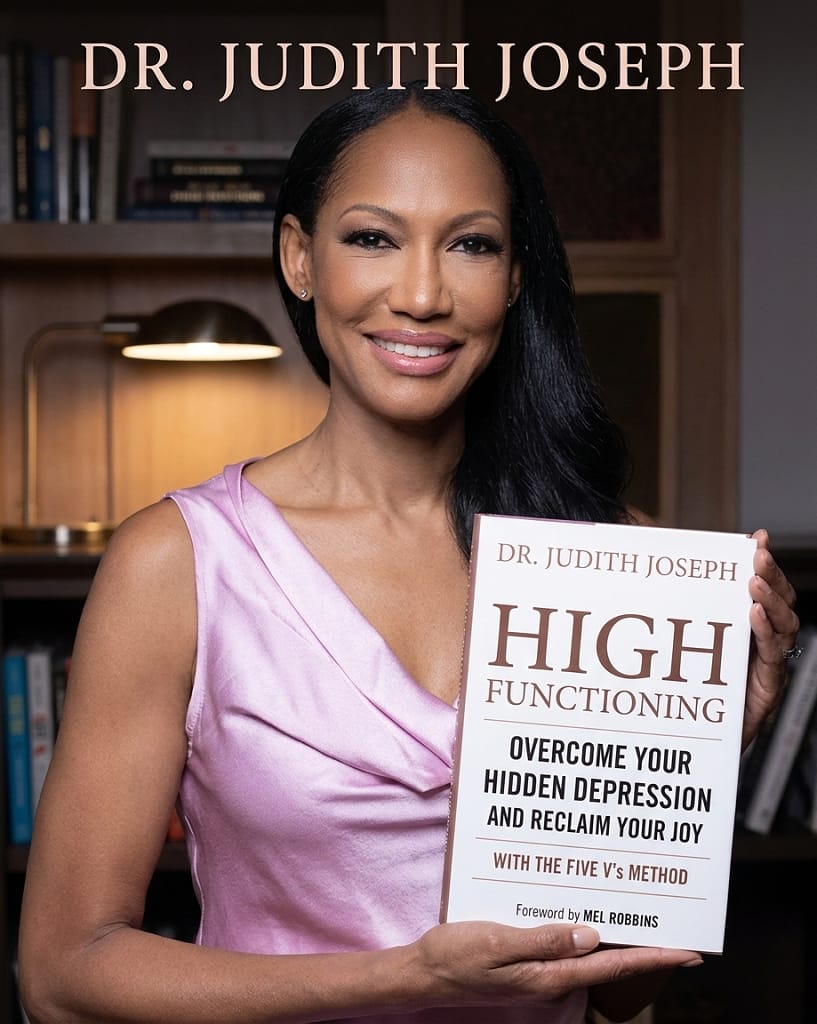
The Judith Joseph book, High Functioning: Overcome Your Hidden Depression and Reclaim Your Joy, was published by Little, Brown Spark in April 2025. It is 320 pages and includes Joseph’s discussion of high-functioning depression, original research, clinical cases, personal experiences, and the Five Vs framework.
The book is aimed at people who may look fine externally while feeling disconnected, numb, or unfulfilled internally. Its central message is that functioning and thriving are not necessarily the same thing.
It can be useful as a self-help and educational resource, but it should not replace an individualized assessment or treatment plan from a qualified mental-health professional.
Key Takeaways on Judith Joseph High-Functioning Depression
Judith Joseph High-Functioning Depression describes an important idea: someone can appear highly capable while experiencing significant emotional difficulties.
The most useful points to remember are:
- Productivity does not automatically mean good mental health.
- High-functioning depression can involve fatigue, numbness, reduced pleasure, concentration problems, and other depressive symptoms.
- The term itself is descriptive rather than a separate formal diagnosis.
- Dr. Judith Joseph’s Five Vs are Validation, Venting, Values, Vitals, and Vision.
- Her 2025 book, High Functioning, explores hidden depression and ways to reconnect with joy.
- Professional assessment matters when symptoms persist or interfere with well-being.
- Treatment can include therapy, medication, or both, depending on individual needs.
Most importantly, you do not have to stop functioning before your feelings become worthy of attention. If the outside of your life looks fine but the inside feels increasingly difficult, that disconnect is worth taking seriously.

Sameya Salman is a writer at The Fit & Fresh who researches and writes about mental health and emotional well-being, with a focus on making topics like high-functioning depression easy to understand. She researches each article using trusted mental health sources to help readers recognize symptoms, understand treatment options, and feel less alone.