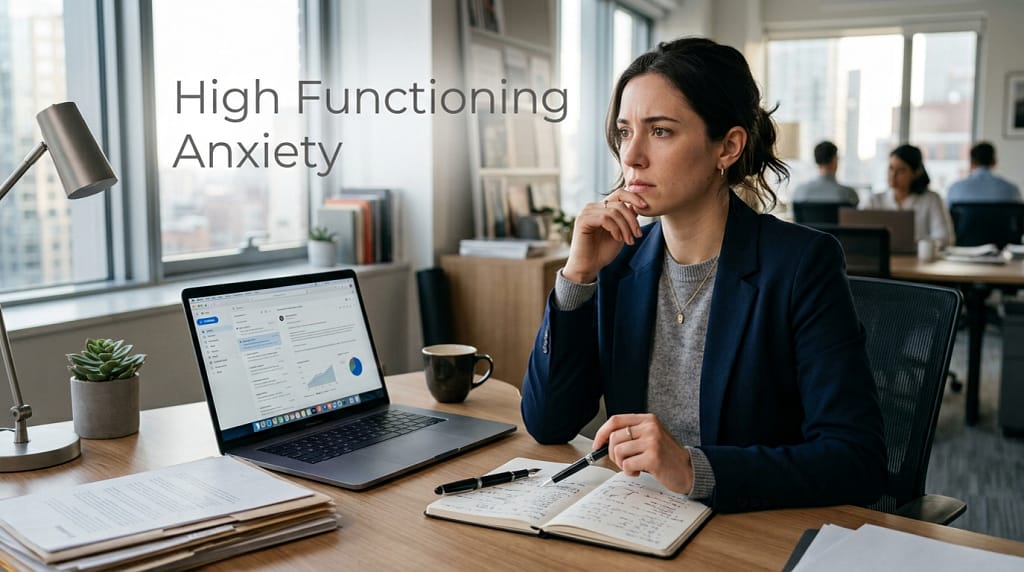
Are you looking for a program for high-functioning teenage boys with anxiety? Explore supportive options, treatment approaches, and tips for choosing the right program.
In this blog
Introduction
A program for high-functioning teenage boys with anxiety should look beyond academic or social performance. The goal is to understand what the teenager is experiencing, identify the level of support he needs, and provide treatment that helps him manage anxiety in everyday life.
In this guide, you’ll discover the signs of anxiety in teen boys, treatment options, types of anxiety programs, and what parents should consider before choosing professional help.

Key Takeaways
- High-functioning anxiety can be difficult to notice.
- Treatment should be based on the teen’s individual needs.
- CBT is a commonly used treatment for anxiety.
- Parents can play an important role in supporting recovery.
What Is High-Functioning Anxiety in Teenage Boys?
“High-functioning anxiety” is an informal term rather than a formal mental health diagnosis. It is often used to describe someone who appears capable and successful while experiencing significant anxiety internally.
A teenage boy with high-functioning anxiety may:
- Get very good grades but constantly fear failure.
- Work extremely hard to avoid making mistakes.
- Worry about disappointing parents, teachers, or coaches.
- Hide physical symptoms of anxiety from others.
- Avoid asking for help because he wants to appear independent.
- Become irritable when overwhelmed.
- Experience panic attacks while still keeping up with daily responsibilities.
Signs and Symptoms of Anxiety in Teen Boys
Emotional and Behavioral Signs
Anxiety symptoms in teens can look different from one teenager to another. Some boys openly express fear or worry, while others hide it.
Common signs include:
- Excessive worrying
- Irritability or frustration
- Perfectionism
- Difficulty concentrating
- Avoiding certain people, places, or situations
- Trouble making decisions
- Fear of failure
- Social withdrawal
- Changes in school performance
- Difficulty relaxing
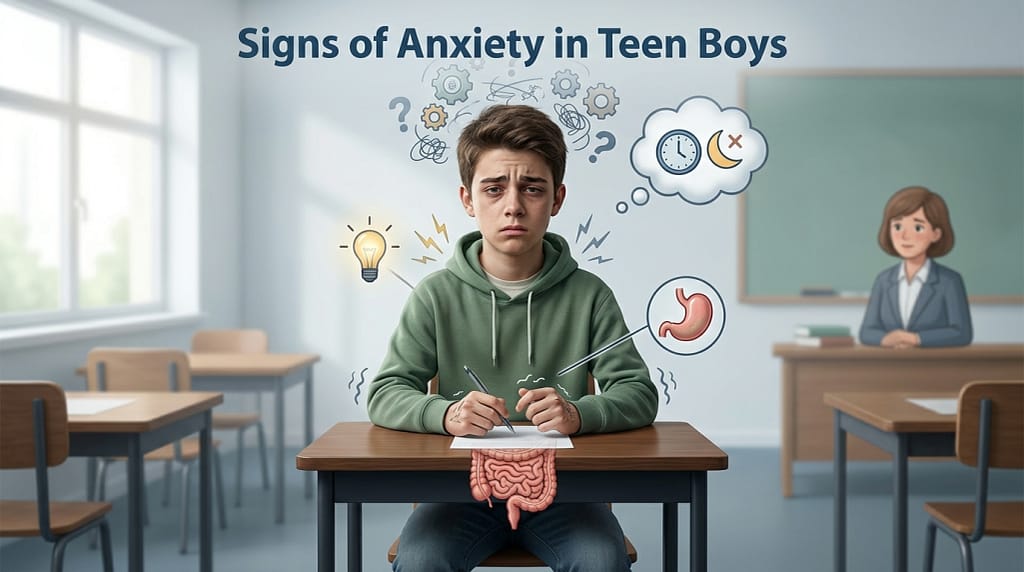
Physical Symptoms of Teen Anxiety
Anxiety can also cause physical symptoms. These may include:
- Headaches
- Stomachaches
- Muscle tension
- Sweating
- Shaking
- Rapid heartbeat
- Shortness of breath
- Fatigue
- Trouble sleeping
- Feeling restless
If physical symptoms are new, severe, or unexplained, parents should speak with a healthcare professional rather than assuming anxiety is the only possible cause.
When High Achievement May Hide Anxiety
A teenager does not have to fail at school or withdraw from activities to need help.
For example, a 16-year-old may receive excellent grades but spend several hours every night worrying about assignments. Another teen may perform well in sports but experience intense fear before every competition.
The important question is not simply, “Is my son doing well?” It is also, “What is it costing him emotionally?”
What Causes Anxiety in Teenage Boys?
There is no single cause of anxiety. Genetics, temperament, environment, stress, and life experiences can all play a role.
Academic and Performance Pressure
School demands, exams, college planning, sports, and high expectations can create significant stress.
A teenager who believes he must always perform perfectly may develop a persistent fear of failure.
Social Pressure and Relationships
Friendships, dating, bullying, social comparison, and concerns about fitting in can contribute to anxiety.
Some teens may also worry excessively about how others judge them.
Family Stress and Major Life Changes
Divorce, moving, family conflict, loss, illness, or other major changes can affect a teenager’s emotional well-being.
Social Media and Technology
Social media can increase comparison and create pressure to appear successful or socially connected. Excessive screen use may also interfere with sleep and healthy routines.
Trauma and Other Mental Health Factors
Traumatic experiences and other mental health concerns may also contribute to anxiety. A professional evaluation can help determine what may be contributing to a teenager’s symptoms.
What Type of Anxiety Program Is Right for a Teenage Boy?
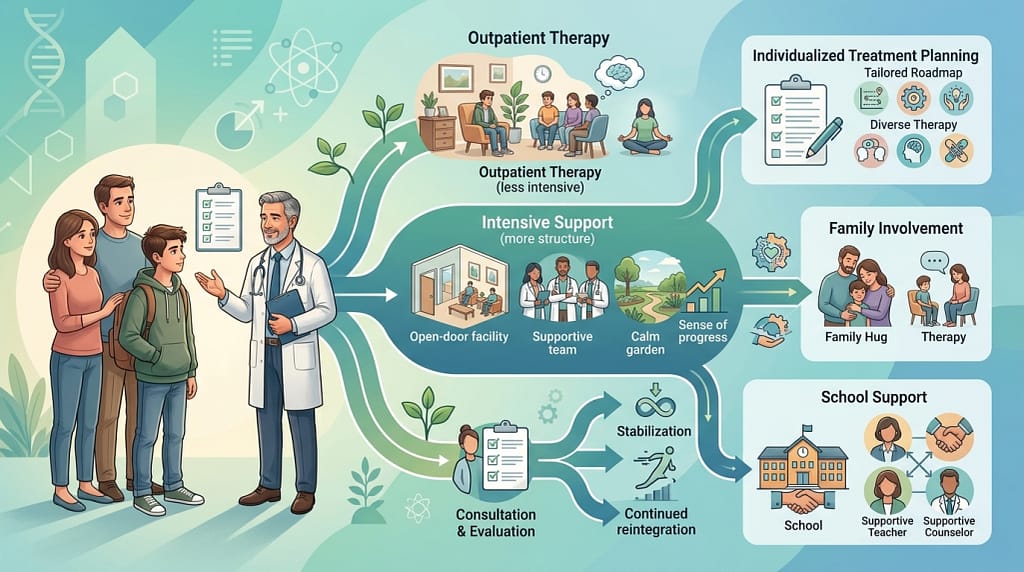
The right program depends on the severity of symptoms, safety concerns, daily functioning, previous treatment, and the teenager’s individual needs.
Outpatient Therapy
Outpatient therapy may be appropriate when a teen can continue living at home and attending school while receiving regular counseling.
This may include individual therapy, family sessions, or both.
Intensive Outpatient Programs (IOP)
An IOP provides more frequent treatment than standard outpatient therapy while allowing the teenager to remain at home.
It may be considered when anxiety significantly affects daily life but does not require 24-hour care.
Partial Hospitalization Programs (PHP)
PHPs provide structured treatment for several hours a day, often on multiple days each week. They may be considered when a teen needs more support than routine outpatient care.
Residential Treatment Programs
Residential programs provide a structured living environment with ongoing professional support. They may be considered for teens with more serious or persistent mental health needs.
Inpatient Psychiatric Care
Inpatient care is designed for situations requiring intensive, around-the-clock psychiatric support, particularly when there are serious safety concerns.
Parents should work with a qualified mental health professional to determine the appropriate level of care.

What Should a Program for High-Functioning Teenage Boys With Anxiety Include?
A strong program for high-functioning teenage boys with anxiety should be individualized rather than based only on age or academic performance.
Look for programs that include:
Individualized Treatment Plans
The treatment plan should reflect the teenager’s symptoms, goals, family situation, school demands, and overall needs.
Evidence-Based Anxiety Treatment
Ask the provider which evidence-based approaches are used and how treatment progress is evaluated.
Cognitive Behavioral Therapy (CBT)
CBT is a widely used evidence-based treatment for anxiety. It helps young people recognize unhelpful thought patterns and develop healthier ways of responding to anxiety.
Exposure-Based Approaches When Appropriate
For some anxiety disorders, gradual exposure can help a teenager face feared situations rather than relying on avoidance. Exposure should be guided by a qualified professional and tailored to the teen.
Family Therapy and Parent Support
Parents are an important part of treatment. Effective child and adolescent mental health care may include parent involvement, family counseling, skills practice at home, and tracking progress over time.
Skills for Managing Stress and Panic
A program should help teens learn practical skills for handling worry, stress, strong emotions, and panic symptoms.
Support for School and Academic Pressure
For high-achieving teens, treatment should address the pressure surrounding grades, exams, sports, and future plans.
Social and Emotional Skills
Teens may also benefit from learning communication, emotional awareness, problem-solving, and healthy coping skills.
How Is Anxiety in Teen Boys Treated?
Treatment for anxiety in teen boys depends on the type and severity of anxiety and the teenager’s individual situation.
Psychotherapy
Therapy is commonly used to help teenagers understand anxiety and develop healthier coping strategies.
Cognitive Behavioral Therapy
CBT is one of the most commonly used psychological treatments for anxiety. It can help teens identify unhelpful thoughts, understand how thoughts affect behavior, and gradually change anxiety-related patterns.
Family-Based Support
Family involvement can help parents understand anxiety and respond in ways that support treatment rather than unintentionally reinforcing avoidance.
Medication When Clinically Appropriate
Medication may be considered when symptoms are severe or when psychotherapy alone has not provided enough improvement. According to the American Academy of Child and Adolescent Psychiatry, medication decisions should follow a comprehensive evaluation and be part of a broader treatment plan, with risks and benefits discussed with the family.
Parents should never start, stop, or change psychiatric medication without guidance from the prescribing clinician.
Lifestyle and Coping Strategies
Healthy routines can complement professional treatment. These may include:
- Consistent sleep
- Regular physical activity
- Balanced meals
- Time away from screens
- Relaxation practices
- Healthy social connections
- Reasonable academic expectations
These strategies support overall well-being but should not replace professional treatment when anxiety is significantly impairing.
Learn more in our guide to high-functioning depression.
How to Help a Teenager With Anxiety and Panic Attacks
Knowing how to help a teenager with anxiety and panic attacks can make a difficult moment less frightening.
What to Do During a Panic Attack
Stay calm and speak in a reassuring voice.
Encourage your teenager to:
- Sit somewhere comfortable and safe.
- Slow down and focus on steady breathing.
- Remind himself that the intense feeling can pass.
- Focus on the immediate environment rather than catastrophic thoughts.
- Stay with a trusted adult if he wants support.
Do not shame him or tell him to “just stop worrying.”
If symptoms are new, severe, or could indicate a physical health problem, seek medical evaluation. Panic symptoms in children and adolescents should be properly assessed.
Help Your Teen Regain a Sense of Safety
After an episode, listen rather than immediately giving a long lecture.
You might say:
“That looked really difficult. I’m here with you. Let’s figure out what support you need.”
Encourage Healthy Coping Strategies
A therapist can teach your teenager strategies for managing anxiety before it becomes overwhelming.
Know When Professional Help Is Needed
If panic attacks or anxiety repeatedly interfere with school, sleep, friendships, sports, family life, or daily activities, professional assessment is appropriate.
Teen Anxiety Help: What Parents Can Do at Home
Parents can provide valuable teen anxiety help between therapy sessions.
Create an Open, Nonjudgmental Conversation
Instead of asking, “Why are you so stressed?” try:
“What has been feeling hardest for you lately?”
This can make it easier for a teenager to talk honestly.
Encourage Healthy Sleep and Physical Activity
Help your teen establish a predictable sleep schedule and make time for regular physical activity.
Avoid Reinforcing Excessive Avoidance
Avoidance can provide short-term relief but may maintain anxiety over time. Evidence-based anxiety treatment often teaches young people how to gradually face fears safely.
Support Healthy Routines
Simple routines around schoolwork, meals, sleep, exercise, and downtime can provide structure.
Work With Your Teen’s Treatment Team
Ask the therapist how you can support treatment at home. Parent involvement and skills practice outside therapy can be useful parts of child and adolescent mental health treatment.
How to Choose the Right Anxiety Program for Your Teen
Before choosing a program for high-functioning teenage boys with anxiety, consider these questions:
Ask About the Program’s Clinical Approach
What type of therapy does the program use? Is treatment based on established approaches for adolescent anxiety?
Check the Qualifications of the Treatment Team
Ask about the clinicians’ education, licenses, training, and experience working with teenagers.
Ask About Individual and Family Therapy
A teenager may need individual support while parents also need guidance on how to respond to anxiety.
Understand the Level of Care
Make sure the program matches the teen’s actual needs. More intensive care is not automatically better.
Ask How School and Daily Life Are Supported
For a high-achieving teen, ask how the program handles schoolwork, academic pressure, activities, and transitions.
Ask How Progress Is Measured
A good program should have a way to monitor symptoms and evaluate whether treatment is helping.
Understand What Happens After Treatment
Ask about follow-up care, relapse prevention, ongoing therapy, and support after the main program ends.
When Should a Teen With Anxiety Get Professional Help?
Professional help is worth considering when anxiety is persistent, intense, or interfering with everyday life.
Watch for:
- Frequent panic attacks
- Refusal to attend school
- Major changes in sleep
- Social withdrawal
- Falling grades
- Severe perfectionism
- Persistent physical complaints
- Avoidance of normal activities
- Significant family conflict
- Anxiety that is becoming harder to manage
If a teenager talks about suicide, self-harm, or feeling unable to stay safe, treat it as an emergency and seek immediate local crisis or emergency support.
Early identification and treatment can help reduce the impact of anxiety on a young person’s academic, social, and daily functioning.
Frequently Asked Questions About Anxiety Programs for Teen Boys
How can I help my teenager with anxiety?
Listen without judgment, validate their feelings, encourage healthy sleep and routines, and teach simple coping skills. If anxiety affects school, relationships, sleep, or daily life, seek professional support.
What is the 3-3-3 rule for anxiety in children?
The 3-3-3 rule is a grounding technique: have your child name 3 things they see, 3 things they hear, and 3 things they can move or touch. It can help bring attention back to the present moment.
What are the treatment options for neurodivergent anxiety?
Treatment may include adapted CBT, gradual exposure, family support, school accommodations, and medication when clinically appropriate. A professional should tailor treatment to the child’s individual needs.
How to treat high-functioning anxiety?
Treatment commonly includes CBT, stress-management skills, gradual exposure when appropriate, and addressing perfectionism or avoidance. Professional evaluation can help identify the underlying anxiety and the right treatment
What is the best treatment for anxiety in teenage boys?
Cognitive behavioral therapy (CBT) is a commonly recommended treatment for teen anxiety, helping boys manage anxious thoughts, avoidance, and stress. For moderate or severe anxiety, a mental health professional may recommend medication, such as an SSRI, alone or alongside CBT.
Final Thoughts on Finding the Right Anxiety Program for Your Teen
Choosing a program for high-functioning teenage boys with anxiety should involve more than looking at grades, achievements, or how successful a teenager appears.
The right support should consider the whole teenager: his anxiety symptoms, school pressure, relationships, family environment, emotional needs, and ability to function day-to-day.
For some teens, regular outpatient therapy may be enough. Others may need a more structured program. Evidence-based approaches such as CBT can play an important role, while family involvement can help reinforce healthy coping skills outside treatment.
Most importantly, parents do not have to wait until anxiety becomes severe before asking for help. A qualified child or adolescent mental health professional can assess the situation and help determine an appropriate next step.
Personal Insights
When I started researching this topic, one thing became clear to me: a lot of teenage boys who seem “fine” on the outside are actually struggling quietly. They get good grades, they smile, and they show up—but inside, they’re carrying a lot of worry.
I think that’s what makes high-functioning anxiety so easy to miss. We tend to only worry about kids who are clearly struggling. But some of the boys who need help the most are the ones who never ask for it.
If there’s one thing I’d want a parent to take away from this article, it’s this: don’t wait for a crisis to check in. A simple question like “How are you really doing?” can open a door that a teenager might not open on his own.
(This article is for informational purposes only and is not a substitute for professional medical or mental health advice. )

Sameya Salman is a writer at The Fit & Fresh who researches and writes about mental health and emotional well-being, with a focus on making topics like high-functioning depression easy to understand. She researches each article using trusted mental health sources to help readers recognize symptoms, understand treatment options, and feel less alone.