Are you discovering whether Can a Licensed Professional Counselor diagnose mental health disorders in 2025? Let’s learn with my expertise!
In This Blog
Mental health problems affect the lives of millions of people every year. To overcome anxiety, depression, stress, or emotional imbalance, it is essential to diagnose a mental health condition. All these problems disrupt daily life and career.
In this article, I will explain all your queries based on my experience. It covers
- Can a licensed professional counselor diagnose?
- Types of Mental Health Professionals
- Specific Regulations of the state
- How does diagnosis work?
- The Role of Counselling
- Tips to choose the right professionals

Introduction: Why Accurate Diagnosis Matters
Mental health diagnosis is the foundation of a personalized treatment plan. Without understanding mental health, therapy is often directionless. I received treatment when I was experiencing anxiety and trauma. I usually felt a lot of anxiety and stress, but after seeking professional treatment, I found a roadmap to improve my life.
- It helps identify effective coping strategies
- Guides therapy approaches and interventions
- Reduces misdiagnosis and ineffective treatment
The Dangers of Self-Diagnosis
Nowadays, social media, online quizzes, and stories are very popular for treating psychiatric disorders and self-diagnosis. Online consultation keeps worrying patients. Getting treatment from mental health professionals is a reliable way to diagnose psychiatric disorders.
Licensed professional counselors carefully observe the patient and provide an accurate or evidence-based diagnosis based on their experience.
What Is a Licensed Professional Counselor (LPC)?
Education and Training
LPCs must have a master’s degree in counseling, psychology, or a psychotropic field or have extensive clinical experience. Based on this experience, they can solve various psychological issues of individuals or provide relief from stress or anxiety.
LCPs provide psychotherapy, counseling evaluation, or diagnosis to patients or help clients reduce the physical, social, or emotional stress of everyday life. The education of LPCs includes:
- Advanced coursework in mental health assessment, psychotherapy, and human behavior
- Supervised clinical experience, often 2,000–3,000 hours
- Specialized training in areas like trauma-informed care, cognitive behavioral therapy (CBT), and mindfulness
Licensed Professional Counselors work with individuals and families to identify these issues.
- Anxiety and depression
- Stress and burnout
- Trauma and PTSD
- Relationship conflicts
- Identity challenges
Scope of Practice:
Licensed Professional Counselors are trained to:
- Provide individual, family, and group therapy
- Diagnose mental health conditions in states that allow LPCs
- Offers personalized treatment plans
- Builds evidence-based interventions for emotional, behavioral, and social challenges
LCPs offer therapies to resolve patients’ issues. They develop strategies to improve individuals’ lives or provide emotional regulation. Their main purpose is to understand a client’s thoughts or behavior patterns and bring about life changes.
Work Settings
LPCs can work in various environments:
- Private counseling offices
- Hospitals and outpatient mental health clinics
- Schools and universities
- Community organizations and non-profits
They provide trauma therapy, career counseling, substance abuse, and relationship counseling treatment to individuals, couples, or families according to their situation.
Can Mental Health Counselors Diagnose?
State Laws and Regulations
Let’s explore whether Can LPCs diagnose in Texas? LPCs diagnose mental health disorders of patients according to state rules. In some states, like Texas, LPCs provide treatment to individuals independently. But in some states, they collaborate with psychologists or psychiatrists and diagnose the disease.
How LPCs Diagnose
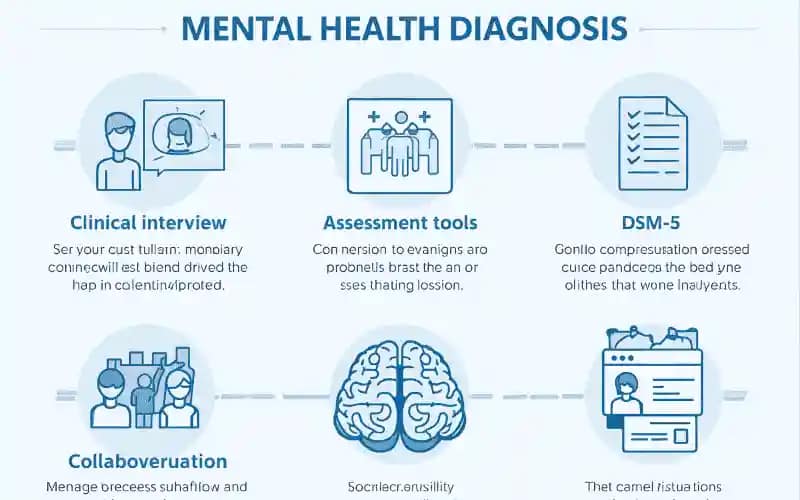
LPCs use a structured approach to diagnosis:
Clinical Interviews: LPCs observe the client’s emotions, behavioral patterns, or struggles of client during consultation.
Behavioral Assessments: Observing patterns of thoughts, emotions, and actions.
Standardized Tools: LPCs use modern instruments like the DSM-5 (Diagnostic and Statistical Manual of Mental Disorders)
Collateral Information: Gathering insights from family, medical records, or previous therapists if needed.
LPCs use clinical interviews, behavioral assessments, or similar tools like DSM-5. They observe the situation of patients according to their family background, medical history, or emotional state. This holistic approach ensures an accurate and personalized diagnosis.
The Diagnostic Process Step by Step
Let me share my whole journey to get diagnosed!
Initial Assessment:
In the first visit, when I meet my LCP, he asks me about my life problems, emotional traumas, or current symptoms. It provides me with an opportunity to share my problems or get my life back to normal.
Symptom Tracking
Counselors track your moods and behavior and identify patterns that cannot be observed in a single session.
DSM-5 Evaluation
Using the Diagnostic and Statistical Manual of Mental Disorders (DSM-5), counselors can diagnose you according to standard criteria and provide a consistent, evidence-based, or accurate diagnosis.
Collaboration With Specialists
If you are in a complex situation, then LPC will refer you to a psychiatrist. Psychiatrists are trained professionals who have gained specialization in mental health.
Types of Mental Health Professionals and Their Diagnostic Authority
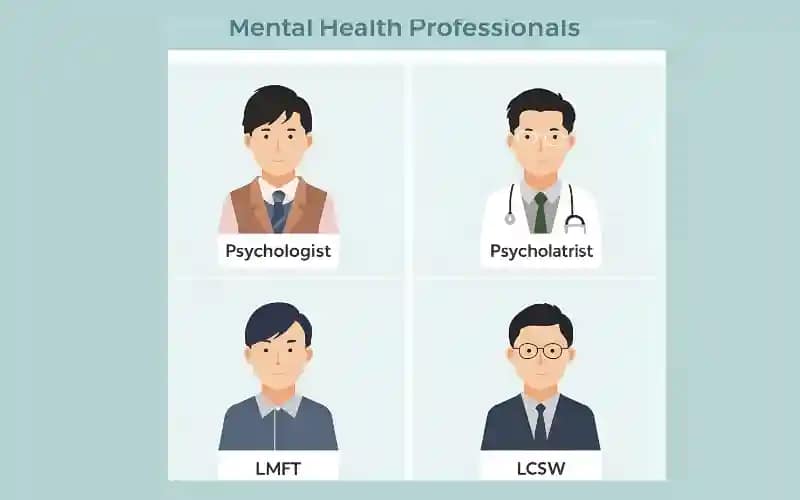
| Professional | Education | Diagnostic Ability | Specialty Areas |
| LPC | Master’s degree | Can diagnose in most states | Anxiety, depression, trauma, stress, and family counseling |
| Psychologist | Doctorate (PhD or PsyD) | Can diagnose complex disorders | Psychological testing, therapy, and research-based interventions |
| Psychiatrist | MD | Can diagnose and prescribe medication | Severe mental illness, pharmacological treatment |
| LMFT | Master’s degree | Can diagnose relational and individual disorders | Family dynamics, couples therapy |
| LCSW | Master’s degree | Can diagnose and treat | Case management, behavioral and emotional challenges |
Common Mental Health Conditions Diagnosed by LPCs
Anxiety Disorders
- Symptoms of anxiety disorders are persistent worry, panic attacks, and muscle tension
- Therapy: CBT, exposure therapy, mindfulness, and relaxation techniques
Depression
- Symptoms of Depression are persistent sadness, low motivation, sleep, and appetite changes
- Therapy: CBT, behavioral activation, emotion regulation, supportive counseling
Trauma & PTSD
- Symptoms of Trauma & PTSD are flashbacks, nightmares, and emotional numbing
- Therapy: EMDR, trauma-focused CBT, and somatic therapy
Personality Disorders
- Symptoms of Personality Disorders are emotional instability, relationship difficulties, and impulsivity
- Therapy: DBT, schema therapy, emotion regulation strategies
Adjustment & Stress-Related Disorders
Therapy: supportive counseling, mindfulness, cognitive restructuring
Symptoms of Stress-Related Disorders are difficulty coping with life transitions, grief, and burnout

Limitations of LPCs in Diagnosis
LPCs have faced some problems despite being highly trained.
Medication Prescriptions: LPCs collaborate with psychiatrists to prescribe medications. Collaboration with psychiatrists is necessary for pharmacological treatment.
Complex Disorders: In complex cases, they require modern tools or a specialist’s input.
State-Specific Restrictions: Not all states allow LPCs to diagnose.
Choosing the Right Licensed Professional Counselor
To select LPCs, one must take care of the following things.
- Credentials & Licensure: Verify that the LPC is licensed in your state.
- Specialization & Experience: Select an experienced mental health counselor to receive treatment.
- Personal Fit: Comfort, trust, and open communication are essential for effective therapy
- Therapeutic Approach: CBT, DBT, or trauma-informed care are evidence-based methods. Identify your counselor to get therapy.
Maximizing the Benefits of Therapy
Set clear goals: Set your goals and be sure to know what purpose you want therapy to serve.
Track progress: Therapy for anxiety helps you manage your emotions and triggers and build coping strategies.
Practice outside sessions: Must apply the tool or exercise during appointments.
Communicate openly: Share feedback with your counselor to receive tailored guidance.
The Future of Counseling and Diagnosis
- Teletherapy & Remote Assessment: Teletherapy helps individuals with mental health challenges. Expanding access to mental health care.
- AI-Based Tools: AI-Based Tools support therapists in symptom tracking and monitoring the vital progress of patients.
- Culturally Sensitive Therapy: Growing emphasis on identity, diversity, and inclusivity.
- Holistic Approaches: LPCs provide mindfulness, lifestyle, or stress reduction techniques to individuals. Or we can combine new techniques with traditional therapy and use them.

Conclusion: Take Charge of Your Mental Health
LPC provides proper care to patients. In a Professional assessment, LPCs
- Accurate diagnosis
- Personalized therapy
- Evidence-Based Therapy
- Improved emotional well-being and life satisfaction
They provide guidance and support to individuals and lead them on their journey towards mental health recovery.
FAQs
Do LPCs collaborate with psychiatrists?
Yes. For medication management or complex cases, collaboration ensures safe and comprehensive care.
Does a therapist diagnose you?
Yes. Licensed professionals such as LPCs, psychologists, psychiatrists, LMFTs, or LCSWs can diagnose mental health conditions based on licensure and state laws.
Can LPCs diagnose mental health disorders?
Yes, LPCs in many states are trained and authorized to diagnose.
Can therapy alone help without medication?
Yes, therapy can be effective for mild to moderate conditions. Severe cases may require combined approaches.
What tools do counselors use for diagnosis?
Clinical interviews, behavioral health interventions, and DSM-5 criteria.

Sameya Salman is a writer at The Fit & Fresh who researches and writes about mental health and emotional well-being, with a focus on making topics like high-functioning depression easy to understand. She researches each article using trusted mental health sources to help readers recognize symptoms, understand treatment options, and feel less alone.