Feeling overwhelmed by anxiety, trauma, or emotional stress? Discover how anchoring hope for mental health can help you heal and build resilience
In This Blog
What Is Anchoring Hope for Mental Health?
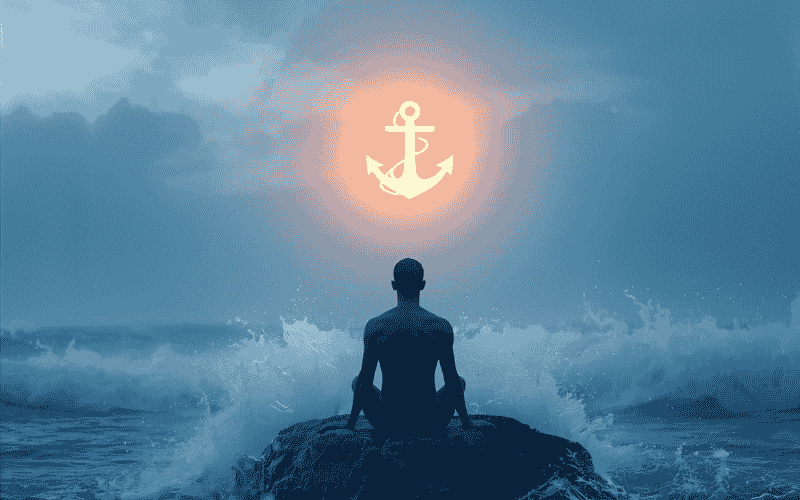
Have you ever felt overwhelmed by anxiety, stress, trauma, or uncertainty about the future? If so, you’re not alone. Anchoring Hope for Mental Health is the practice of creating a stable source of emotional strength that helps you stay grounded during life’s challenges. Just as an anchor keeps a ship steady during a storm, hope can provide direction, resilience, and a sense of purpose when difficult emotions threaten to pull you off course.
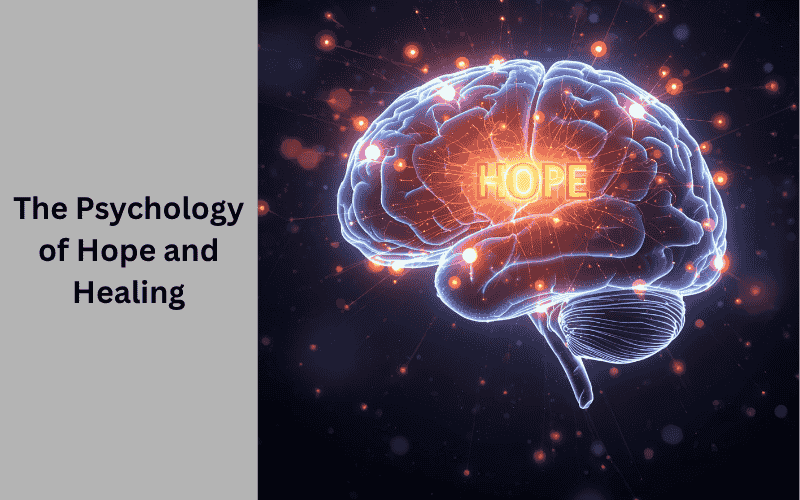
Research shows that hope is more than positive thinking—it is a powerful psychological resource linked to better emotional well-being, resilience, and recovery from adversity. By building supportive relationships, developing healthy daily habits, and focusing on meaningful goals, individuals can strengthen their ability to cope with anxiety, depression, stress, and trauma. In this guide, you’ll learn how anchoring hope can support mental wellness and practical ways to make it part of your everyday life.
Quick Answer
(Anchoring Hope for Mental Health is the practice of building a stable source of emotional strength, optimism, and purpose that helps you deal with anxiety, stress, trauma, depression, and life’s uncertainties. Like an anchor keeping a ship steady during a storm, hope helps individuals remain grounded during difficult times and focus on the possibility of healing and growth.)
The Psychology Behind Hope and Emotional Healing
What Science Says About Hope
Hope is just the name of a good emotion, but it provides psychological strength to individuals. It influences our lives in how we ask, think, act, or heal. Mental health research shows that it can help in reducing anxiety or depression and can improve life satisfaction. Those individuals who have hope can easily recover from the emotional challenges of life and adopt a better future.
Snyder’s Hope Theory: The Science Behind Hope
According to psychologist Dr. C. R. Snyder, hope is more than wishful thinking. It is the ability to set meaningful goals, find ways to achieve them, and stay motivated despite challenges. His theory is built on three key elements:
- Goals – Having clear and meaningful objectives that give your life direction and purpose.
- Pathways – Identifying realistic routes and alternative solutions to reach those goals, even when obstacles arise.
- Agency – Believing in your ability to take action and stay motivated toward achieving your goals.
When these three elements work together, people are more likely to cope with stress, overcome setbacks, and maintain emotional resilience. Snyder’s Hope Theory shows that hope is not just a feeling—it is a practical mindset that supports mental health, healing, and long-term well-being.
| Component of Hope | What It Means | Mental Health Benefit |
|---|---|---|
| Goals | Setting meaningful and achievable objectives for the future | Creates purpose, direction, and motivation |
| Pathways | Finding practical ways to achieve goals and overcome obstacles | Improves problem-solving and reduces feelings of helplessness |
| Agency | Believing in your ability to take action and succeed | Builds confidence, resilience, and emotional strength |
| Combined Effect | Goals, pathways, and agency working together | Enhances hope, emotional well-being, and recovery from challenges |
The “Anchor” Metaphor in Mental Health
What It Means to Anchor Your Mind
If you see a ship during a storm that is sinking in the waves, but a strong anchor feels strong. In the same way, hope relaxes your mind. Anchoring your mind means keeping your mind balanced, which keeps you away from emotions, stress, or anxiety. It helps individuals to avoid challenges as well as provides tough times, meaning security. When your mind feels anchored, you can calmly make decisions or manage anxiety. Anchor hope gives you possibilities in painful situations.
When Life Feels Adrift: Why Stability Matters
You can feel uncertainty by losing emotional control in your life, like being thought frightened or losing your focus. This creates feelings of emotional exhaustion or hopelessness in your mind. When you anchor your mind, you feel anxious in your life and find consistency or inner balance. Daily activities, supportive people, or personal values can work as a stabilizer, which provides calm to mental storms and peace. Anchoring your mind helps you stop your waves instead of drifting along in them.
7 Practical Hope Anchoring Exercises
Gratitude Journaling
Write down three things you are grateful for each day. This simple habit shifts your focus from problems to positive aspects of life, helping you maintain a hopeful mindset.
Deep Breathing
Slow, deep breaths can calm anxiety and reduce stress. When emotions feel overwhelming, deep breathing helps you regain control and stay grounded.
Future-Self Visualization
Spend a few minutes imagining yourself overcoming current challenges. Visualizing a better future can increase motivation and strengthen hope during difficult times.
Goal Setting
Set small, realistic goals and celebrate your progress. Achieving even minor milestones builds confidence and reinforces the belief that positive change is possible.
Positive Affirmations
Replace negative self-talk with encouraging statements such as, “I can handle this challenge.” Positive affirmations help strengthen emotional resilience and self-belief.
Mindfulness
Focus on the present moment instead of worrying about the future. Mindfulness can reduce stress, improve emotional balance, and help you feel more in control.
Community Involvement
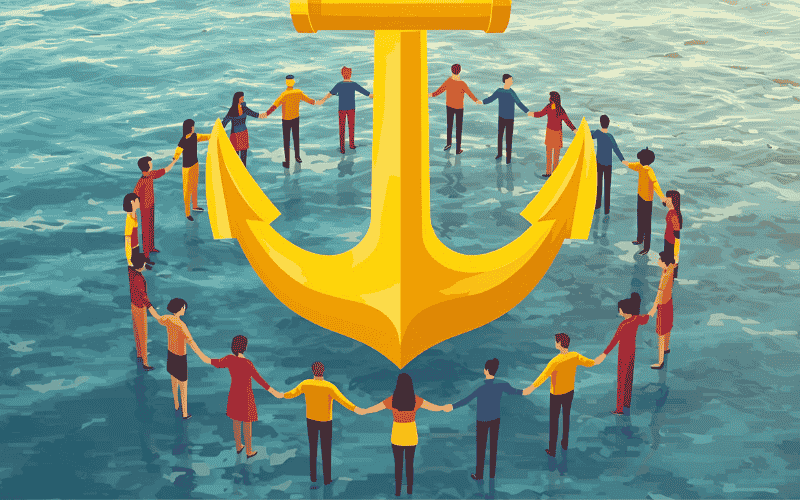
Connect with supportive friends, family, or community groups. Strong social connections provide encouragement, reduce loneliness, and remind you that you don’t have to face challenges alone.
This version is concise, actionable, and directly answers “How can I anchor hope in daily life?” without unnecessary fluff.Why People Lose Hope
Internal Struggles That Drain Hope
Sometimes, we face very difficult problems. By losing self-confidence, by overcoming negative thinking and unresolved trauma, we lose our sense of hope. When our mind keeps thinking “I can’t” or “I’m not enough,” then healing in life becomes very difficult.
Depression, anxiety, or trauma distort our way of living, or our optimistic approach changes to fear. Internal struggles make our emotional anchor weak or make us powerless in life. Knowing these patterns is the first step toward rebuilding hope from within.
External Pressures That Erode Mental Strength
External forces also distort your mental health. Financial pressure, toxic relationships, or social anxiety destroy your hope in life. Many people lose hope in life because they feel unfair.
Foundations of a Strong Hope Anchor
Meaning and Purpose
Hope gives meaning to life. When your life has a clear purpose, then you face every kind of situation, even in pain. Meaning motivates your mind in extreme situations. Research shows that if you connect with your goals, then you can achieve emotional stability or mental trauma, so a faster recovery is achieved. The purpose of your life is not to change the world but to take care of family, faith, or to help others. Purpose reminds you of the value of your struggling situation in your life.
Emotional and Social Connection
Social connections are very important for people. Trustworthy relationships are a powerful anchor for mental health. Social connection reduces your emotional load or your feelings of fear. Connection promotes belonging, safety, or hope. Support from your friends, family members, mentor, or therapist provides strength. Research shows that emotional peace provides resilience by reducing stress and anxiety hormones.
Daily Habits to Anchor Hope
Morning and Evening Rituals
Small steps make hope more strong. Start your morning with a small intention like gratitude, affirmations or mindful breathing. These small actions provide peace to your brain.
In evening,think about your day, what you have done, or face your challenges. This practice shifts your focus to progress rather than perfection. These daily routines and habits create optimism or calm.
Anchoring Techniques for Stressful Moments
When you face anxiety, use different techniques to achieve stability. Exercises like slow breathing, touching any object or revise name of things in your mind help to bring your mind back to normal.
Visualizing things provides peace to your mind. This visualization makes your breathing easier, you feel relaxed, or your cortisol level decreases. These techniques provide you with daily strength.

Building Hope Through Relationships and Community
The Healing Power of Connection
Social connection works like medicine for your mind. When you communicate socially with others, you are on a healing path, which is powerful for your mental wellness. Research shows that socially connected people face less depression, anxiety, or isolation.
Building connections helps you feel around people who treat you with respect or give you a break. This enables you to remember that you are not alone. Support groups or volunteer programs serve to foster trust, belonging, or emotional stability. In the modern age, genuine connection is a source of hope.
Giving Hope to Others
Hope doubles when it is shared. It often provides kindness, courage, or strength. Social connection transforms individuals’ pain into purpose. Research shows that oxytocin is a hormone that makes people feel good and is a mood booster, leading to life satisfaction. Through hope, you provide peace, which is very beneficial for you.
Anchoring Hope During Life’s Toughest Moments
When Grief or Loss Shakes Your Stability
Grief is like a storm in one’s life. Individuals feel painful, unpredictable, or consumed in grief. In grief, you feel unstable, but you can take small actions to help yourself. Healing is a process that starts with acceptance. Healthy habits like journaling or seeking grief counseling provide the best structure. In grief, the meaning of hope in life means the growth of love
Holding Hope Through Chronic Illness or Setbacks
Chronic illness or disability can challenge patience, purpose, or identity. Anchoring hope shifts individuals’ focus from what they have lost to what remains possible.
Mindful peace, daily good habits, or supportive communities restore balance. These habits make individuals’ physical or emotional setbacks manageable. Hope provides courage rather than eliminating struggles.
Maintaining Long-Term Hope and Mental Wellness
Check Your Anchors Regularly
Just as ship anchors are identified by strength, similarly, your mental health anchors also need regular attention. The demands of your life, your relationships, or the lack of fulfillment of your goals weaken your life.
But your faith, your goal, or your daily routine habits give you hope. If any habit is not helping in your growth, then replace it with some healthy habits.
Consistency is a key to success. Mental health check-ups or therapies are very important for your emotional stability. Consistency or patience is the key to your hope or wellness journey.
Grow Resilience Over Time
Resilience is a lifelong practice that cannot be achieved. Personal and professional challenges provide opportunities to strengthen your emotional anchor. When you face difficulties with patience or courage, your inner anchor becomes stable. To build emotional stability, you can control your emotions by using mindfulness or achieving realistic goals. When you practice daily, your temporary feelings change into long-term feelings or you gain confidence in your life.
Real-Life Examples of Anchoring Hope
Coping With Anxiety
Sarah often felt overwhelmed by anxiety and uncertainty about the future. By practicing deep breathing, setting small daily goals, and focusing on what she could control, she gradually developed a stronger sense of hope and confidence.
Healing After Grief
After losing a loved one, Ahmed struggled with sadness and isolation. Support from family, journaling, and honoring positive memories helped him find meaning in his loss and slowly rebuild hope for the future.
Recovering From a Major Setback
When Maria lost her job unexpectedly, she felt discouraged and fearful. Instead of giving up, she focused on learning new skills, networking, and creating a job-search plan. Her hope gave her the motivation to keep moving forward despite setbacks.
When to Seek Professional Help
While hope can be a powerful tool for emotional healing, it may not be enough for everyone. If feelings of sadness, anxiety, hopelessness, or emotional distress persist for weeks and begin affecting your daily life, it may be time to seek professional support.
Consider speaking with a mental health professional if you experience persistent depression, severe anxiety, panic attacks, difficulty functioning at work or school, or thoughts of self-harm. Therapy, counseling, and other evidence-based treatments can provide valuable support and help you build a stronger foundation for long-term mental wellness.
Conclusion: Your Journey Toward Anchored Hope
Anchoring hope for mental health is not about ignoring life’s challenges—it’s about finding the strength to move forward despite them. By setting meaningful goals, building supportive relationships, practicing healthy habits, and focusing on what is possible, you can develop greater emotional resilience and well-being.
Hope does not eliminate pain, stress, or uncertainty, but it can help you navigate them with courage and confidence. Even small daily actions can strengthen your emotional anchor and remind you that healing, growth, and positive change are always possible.

Frequently Asked Questions
What does anchoring hope mean in mental health?
Anchoring hope in mental health means developing a stable source of optimism, purpose, and emotional strength that helps you cope with stress, anxiety, trauma, and life’s challenges. It provides resilience and encourages a positive outlook during difficult times.
Why is hope important for mental health?
Hope is important because it helps people stay motivated, manage stress, and believe that positive change is possible. Research suggests that hope is linked to greater emotional resilience, psychological well-being, and recovery from adversity.
Can hope help reduce anxiety and depression?
Hope cannot replace professional treatment, but it can support recovery by reducing feelings of helplessness and increasing motivation. People with higher levels of hope often cope better with anxiety, depression, and stressful life events.
How can I build hope during difficult times?
You can build hope by setting realistic goals, practicing gratitude, maintaining supportive relationships, focusing on small daily achievements, and using mindfulness techniques. These habits help create a sense of purpose and control.
What are the signs of losing hope?
Common signs include persistent negative thinking, lack of motivation, emotional exhaustion, social withdrawal, feelings of helplessness, and difficulty imagining a positive future.
What is Snyder’s Hope Theory?
Snyder’s Hope Theory explains that hope consists of three components: Goals (having a direction), Pathways (finding ways to achieve goals), and Agency (believing in your ability to succeed). Together, these elements support resilience and emotional well-being.

Sameya Salman is a writer at The Fit & Fresh who researches and writes about mental health and emotional well-being, with a focus on making topics like high-functioning depression easy to understand. She researches each article using trusted mental health sources to help readers recognize symptoms, understand treatment options, and feel less alone.