Discover how ancient symbols from around the world support healing, resilience, and emotional growth. Explore recovery symbols.
In This Blog
Introduction of Mental Health Recovery Symbols
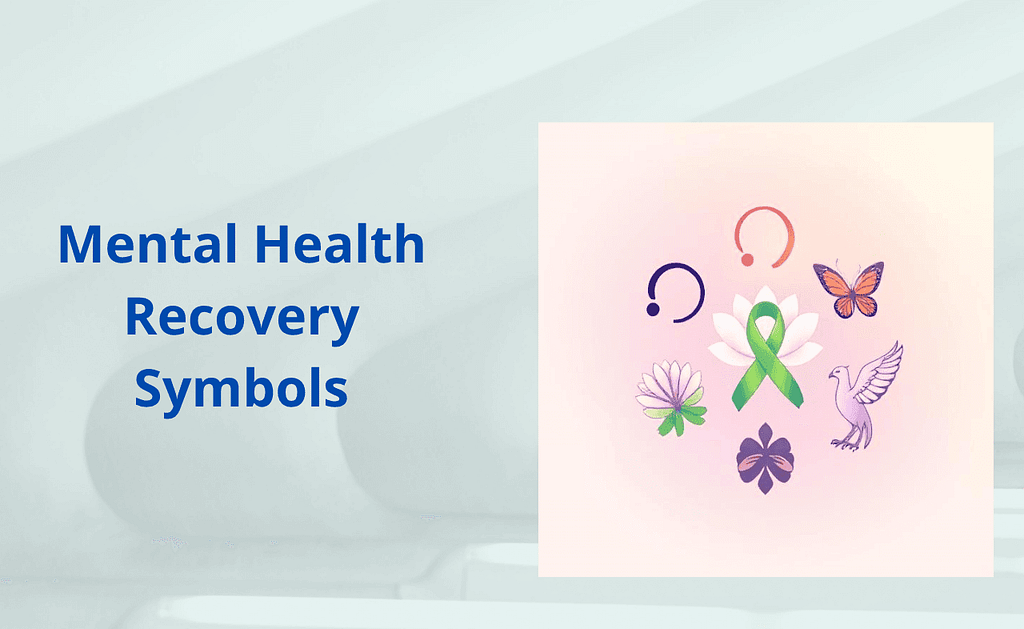
Mental Health Recovery Symbols represent hope, strength, resilience, and healing for people. Across cultures and generations, symbols such as the butterfly, lotus flower, semicolon, and phoenix have been used to express personal growth, recovery, and the courage to move forward after difficult experiences. These powerful images not only provide comfort on a personal level but also help raise awareness, encourage conversations, and challenge the stigma surrounding mental health.
In this article, we will explore the history and meaning of some of the most recognized Mental Health Recovery Symbols. We will also discover how these symbols appear in art, tattoos, jewelry, and personal stories. It offers inspiration, connection, and hope to people around the world.
Why Symbols Matter in Mental Health & Recovery
Symbols are not just objects or images that share emotions, identity, or human experiences. Symbols also highlight psychological oppression and represent hope or complex internal experiences.
The psychological impact of symbols:
Markers of Hope:
A semicolon tattoo provides a global symbol to avoid suicidal thoughts. This tattoo is small but conveys a vast meaning. This tiny tattoo reminds people that pauses and endings do not happen.
Identity Anchors:
The lotus flower is a symbol of rebirth, providing individuals with the power to reveal their lost identities and give shape to their own visions.
Externalizing the Internal:
Mental illness often isolates individuals. Symbols can help a person’s inner journey outward and make abstract feelings real.
Common Symbols in Mental Health & Recovery: Meanings, Origins & Uses
Semicolon—”The Story Isn’t Over”
Origin: It was popularized by the Semicolon Project (2013), which was started by Amy Bleuel to honor her father and raise mental health awareness.
Meaning: Continuity, survival, and the choice to continue life and face hardships.
Examples of Use: Tattoos, jewelry, and clothing are examples of expressing solidarity and survival from depression, suicide, and anxiety.
Butterfly—Transformation & Rebirth
- Origin: The butterfly is a symbol with originates in different cultures. It is often used in psychology and recovery circles.
- Meaning: Personal growth, transformation after struggle, emotional rebirth.
- Examples of Use: Art therapy, tattoo designs, and recovery branding are the most common examples of this mental health recovery symbol.
Lotus Flower—Strength from Adversity
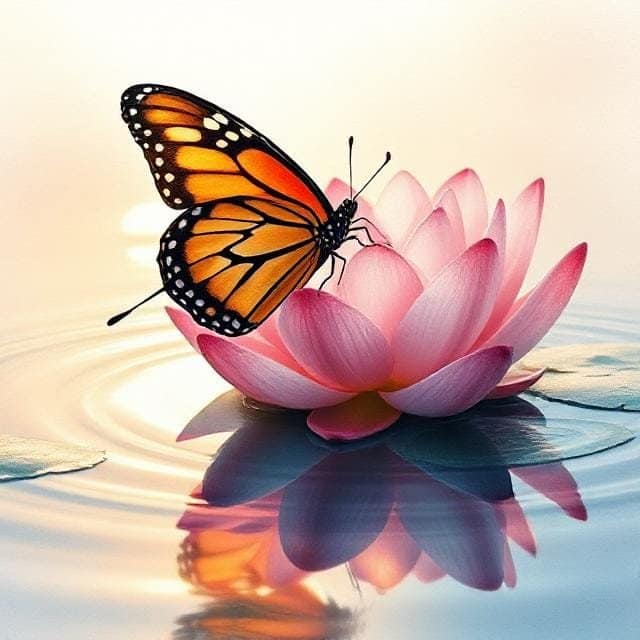
Origin: Lotus Flower originates from the ancient Eastern culture of Hinduism or Buddhism, where the lotus grows in the soil or also blooms in purity.
Meaning: Resilience, spiritual awakening, beauty emerging from darkness.
Examples of Use: It is used in meditation visuals, tattoos, and mindfulness journals.
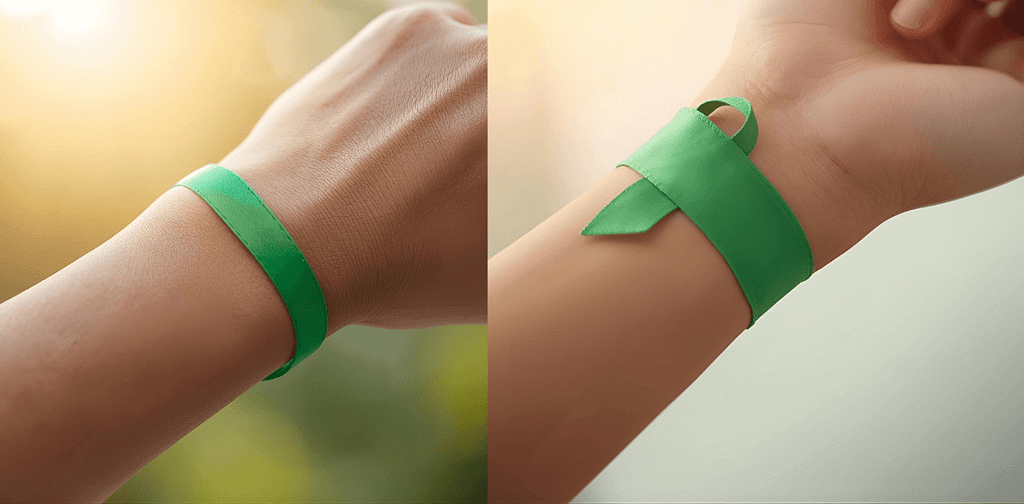
Green Ribbon—Mental Health Awareness
Origin: The Green Ribbon was first adopted for mental health companies in the 1990s.
Meaning: Hope, awareness, and support for mental health causes
Examples of Use: It is commonly used in mental health campaigns, events, nonprofit branding, or Mental Health Month.
Phoenix—Rising from the Ashes
Origin: Phoenix is derived from Ancient Greek and Egyptian mythologies. Phoenix is a bird that is reborn from its own ashes.
Meaning: Overcoming trauma, starting anew, and personal rebirth after crisis.
Examples of Use: It is used for tattoos, recovery programs, and trauma healing.
Infinity Symbol (∞) — Limitless Hope
Origin: The infinity symbol is a mathematical symbol from the 17th century that was later adopted by spiritual and mental health communities.
Meaning: Endless journey, resilience, limitless healing, and hope.
Examples of Use: It is used in jewelry, tattoos, motivational artwork, and recovery program arrangements.
Anchor—Stability in Storms
Origin: The anchor is a maritime symbol that has historically been used in Christianity as a symbol of hope.
Meaning: Grounding, strength, and emotional stability during mental illness.
Examples of Use: The anchor is known for his tattoos, catchphrases, therapy visuals, and support group logos.
Cultural, Religious & Regional Symbols
Christian Cross
Symbolism: The Christian Cross is a symbol of redemption, forgiveness, or eternal life.
Use in Recovery: It is often associated with spiritual healing in addiction recovery.
Cultural Impact: In Western contexts, the cross symbolizes hope and faith during illness or suffering.
Om / Aum (Hinduism & Buddhism)
- Symbolism: Om/Aum is a symbol of Hinduism or Buddhism, which symbolizes the sacred sound of the universe and the unity of body-mind-spirit.
- Healing Role: It is used in meditation, chanting, and yoga for mental clarity and inner satisfaction.
- Cultural Interpretation: It represents spiritual awakening and cosmic order in South Asian traditions.
Mandalas (Hinduism, Buddhism, Jungian Psychology)
- Symbolism: Mandalas is derived from Hinduism, Buddhism, or Jungian psychology, which show Wholeness, balance, or the self.
- Healing Use: It is used in meditation and therapy to promote mindfulness and healing.
- Interpretation: Jung saw mandalas as symbolic of personal integration and psychological recovery.
Indigenous Symbols
- Symbolism: Indigenous Symbols balance life cycles and the four elements/directions.
- Healing Use: It is used in spiritual healing, rituals, and connection to nature
- Cultural Depth: It represents holistic healing—mental, emotional, physical, spiritual.
How Culture Shapes Interpretation of Recovery Symbols
- Collective vs. Individual Healing: Western culture focuses on individual healing or recovery, whereas Eastern cultures focus on community or balance with nature.
- Spiritual vs. Secular: In religious cultures, spirituality is used for healing symbols, but in secular cultures, healing symbols are psychological.
Symbol Fluidity: Mental Health Recovery Symbols are reinterpreted according to different cultures—e.g., the mandala as both a sacred Buddhist tool and a coloring book pattern in Western wellness.
Symbols in Media, Arts & Social Movements
🎥 Books, Movies, Music with Recovery Symbolism
Books:
- “The Shack” by William P. Young
- “Man’s Search for Meaning” by Viktor Frankl
Movies:
- “Eat Pray Love”
- “Life of Pi”
- “A Beautiful Mind”
Music:
- Kintsugi by Death Cab for Cutie: Based on the Japanese art of repairing pottery with gold—symbolizing beauty in healing.
- “Titanium” by David Guetta ft. Sia: Symbolic anthem of inner strength and recovery.
Social Media & Hashtag Culture
- Healing Journey: It is used to document emotional, physical, or spiritual recovery.
- RecoveryWarrior: It is a badge of resilience used by people recovering from illness, trauma, or addiction.
- MentalHealthMatters: Social activism meets symbolic language—each post acts like a digital sigil of collective healing.
- Instagram Tattoos / Pinterest Boards: Platforms where symbolic imagery (lotus, semicolon, feathers) spreads as collective healing narratives.
Tattoo Culture & Wearables as Recovery Symbols
🔥 Tattoos:
- Semicolon (;) is selected by those with mental health struggles—symbolizes that their story isn’t over.
- Phoenix: Rising from ashes = rebirth and resilience.
- Unalome: A Buddhist symbol that represents the path to enlightenment, often chosen for spiritual recovery.
Jewelry / Accessories:
- Mala beads: Mala beads also help in Meditation; it is also a wearable spiritual symbol.
- Tree of Life pendants: It is popular in recovery jewelry.
- Crystals and Stones (e.g., amethyst for sobriety): It is used in spiritual healing, worn as symbols of energy and intention.
👕 Clothing:
- Affirmation Tees: Clothing with empowering words or sacred symbols.
- Cultural Patterns: Indigenous or Eastern symbols (with or without full understanding) used as visual metaphors for strength or healing.
- How to Choose a Personal Mental Health Recovery Symbol
How to choose a personal mental health recovery symbol?
Hope, strength, rebirth, and peace play an important role in your recovery journey.
Ask yourself:
What images or ideas resonate deeply with my experience?
What symbolizes my challenges and my growth?
Examples: A phoenix is a symbol for rebirth, a semicolon is a symbol for continuation, or a tree is a symbol for grounding and growth.
Ways to Incorporate Mental Health Recovery Symbols into Everyday Life
Visual Reminders
- Drawings & Artwork: Create or keep art featuring your symbol to inspire you.
- Tattoos: Tattoos are a permanent and personal reminder of your healing journey.
- Wearables: Jewelry, clothing, or accessories are such symbols that provide you constant support.
Digital Reminders
- Your phone or computer wallpaper is also used as a symbol.
- Set it as your social media avatar or profile decoration.
- Use these symbols to decorate your social media accounts or profile.
- Share your created digital art or stickers with your friends or support groups.
Creative & Therapeutic Practices
- Art Therapy: To facilitate mental health recovery, use your symbols in drawing, painting, and crafting to express your feelings.
- Journaling: Write your own context of the symbol and say that this symbol reflects your whole journey.
- Meditation: Visualize the symbol during mindfulness practices for grounding or strength.
Conclusion of Mental Health Recovery Symbols
To conclude, Mental Health Recovery Symbols convey meaning. These explain history, identity, values, or beliefs that cannot be explained in words. Their meanings transcend time and cultures and help us to understand the world. Symbols are approached through respect, mindfulness, or awareness. Mental Health Recovery Symbols are explored personally or collectively in stories.
FAQ: Mental Health Recovery Symbols
What are Mental Health Recovery Symbols?
Mental Health Recovery Symbols are images, signs, or icons that represent healing, hope, resilience, and personal growth during emotional or psychological recovery.
What is the most common symbol for mental health recovery?
The semicolon is one of the most recognized mental health recovery symbols. It represents choosing to continue one’s story despite struggles with depression, anxiety, or other challenges.
Why is the butterfly used as a recovery symbol?
The butterfly symbolizes transformation and rebirth. It reflects the process of growing through difficulties and emerging stronger after emotional struggles.
How can recovery symbols support mental well-being?
Recovery symbols can serve as daily reminders of hope, strength, and progress. Many people use them in tattoos, jewelry, artwork, or journals to stay connected to their healing journey.
Also Read Here About :
Mental Health Blue Lotus Vape: Do You Want To Explore?

Sameya Salman is a writer at The Fit & Fresh who researches and writes about mental health and emotional well-being, with a focus on making topics like high-functioning depression easy to understand. She researches each article using trusted mental health sources to help readers recognize symptoms, understand treatment options, and feel less alone.