
Discover what a Mental Health Emotional Gas Tank means, the signs of emotional exhaustion, and practical ways to restore balance and mental well-being.
In This Blog
What an Emotional Gas Tank Really Means
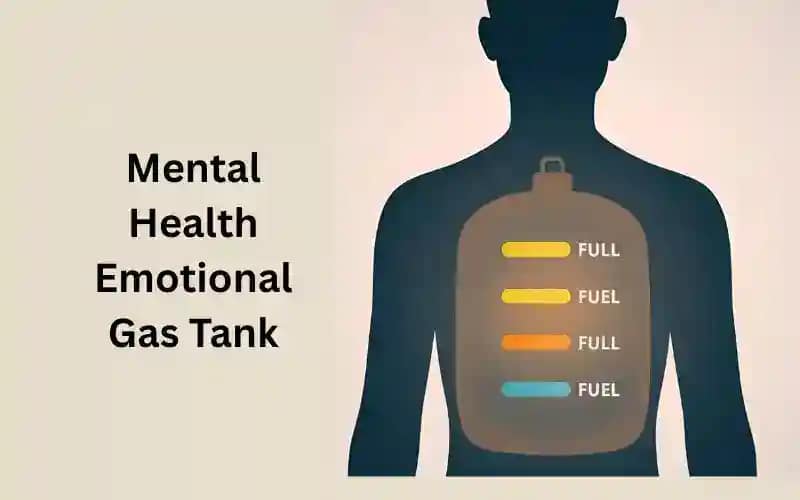
The Emotional Gas Tank is a simple way to understand emotional energy and mental health. Just like a car needs fuel to run properly, people also need emotional fuel to handle stress, stay motivated, and manage daily life challenges. When your emotional tank is full, you feel balanced, productive, and emotionally strong. But when it becomes empty, even small tasks can feel overwhelming and exhausting.
Emotional Gas Tank makes mental health easier to recognize, rather than confusing or complicated. It helps people identify emotional exhaustion, stress triggers, and the habits that restore emotional wellness and inner balance.
How Emotional Fuel Works in Daily Life
Emotional fuel is used to fuel people’s daily tasks and decisions or to interact with others. It explores the individuals’ stress, sickness, or motivation. Individuals feel strong with strong emotional fuel. People can communicate better or face challenges easily. This fuel can influence mood, productivity, or mental balance.
Signs an Emotional Tank Is Empty
Emotional Warning Signs
Emotional signs appear when the tank is low. A person may:
- Feel unusually irritated or sensitive
- Lose interest in things they used to enjoy
- Feel sad, overwhelmed, or disconnected
- Have trouble managing life stress
- Experience mood swings
These emotional changes warn of low fuel or highlight the need for care.
Behavioral Warning Signs
Behavioral changes are also a sign of an empty emotional tank.
- Avoid responsibilities or perform difficult tasks
- Withdraw from conversations or social situations
- Struggle to stay focused
- Procrastinate more than usual
- Feel overwhelmed by simple tasks
These behavioral changes energize us towards refueling rather than predicting weakness.

Also Know About!
Best Madrone Mental Health Services Matters: Learn More Now!
Why a Full Emotional Tank Matters: Learn With Us!
An emotional tank is present in the human body. Just as a car cannot run without a gas tank, similarly, a human body cannot run without an emotional tank. This tank helps people handle their lives. If this tank is full, they can live a comfortable or balanced life, or they can solve all kinds of problems and enjoy their life. But if this tank is low, they can feel overwhelmed or tired, or they may not feel interested in anything. Their patience level is low, or their stress level rises. Understanding the level of the emotional tank helps in reducing anxiety or trauma. Therefore, individuals must take notice of this.
What Drains the Emotional Support Tank?
Stress Overload
Stress is normal in daily life, but too much stress affects both your body and mind. You feel too much stress when you are not giving proper time to your work, like work deadlines, family issues, financial crises, or a busy life. In this situation, your mind always remains active, or your brain gets ready for the next challenges after solving the problems.
You may feel:
- Tiredness even after sleeping
Tension, trauma, or anxiety
- Unable to focus
- Emotionally sensitive or numb
Constant Conflict
Regular conflicts drain your emotional energy.
Constant conflict can make you feel:
- Drained
- Misunderstood
- On edge
- Disconnected from everyone
Lack of Rest
Rest is not sleep, but actual rest is good for mental and emotional health. Your busy life schedule makes you think about those things that you ignore so much, and it makes your mind numb, and your emotional tank becomes empty.
Lack of rest shows up as:
- Short temper
- Brain fog
- Feeling overwhelmed
- Having a hard time making decisions
Refilling the Emotional Gas Tank
Small Daily Actions
Major lifestyle changes are not necessary to refill your emotional tank. Small habits play a great role in activating your brain.
Helpful actions include:
- Taking a walk daily
- Sitting silently for a few minutes
- Drinking a warm tea or coffee
- Doing something you enjoy, like reading, drawing, or music
- Practicing deep breathing
- Spending a few minutes in nature
These small actions build your emotions. Following this routine daily will refill your tank and make you feel calmer.
Supportive Communication
Supportive communication provides individuals with a safe and connected life. When someone listens to you without judgment, they provide emotional support.
Supportive communication means:
- Listening attentively
- Showing empathy (“I understand how you feel”)
- Speaking gently
- Asking for what you need in a clear, calm way
Offering appreciation (“Thank you,” “I’m proud of you”)
Creating Healthy Spaces
Your environment also affects your emotions. You can spend a healthy or relaxed life in a healthy environment. Your family members, your surroundings, people, or your workplace environment have a very important impact on your personality.
Healthy spaces include:
- A clean or organized area
- A quiet corner where you can relax
- People who treat you with respect
- Routines that make life easy
- Personal boundaries to protect your peace
When you live in a supportive environment, your emotional tank starts to refill. You feel safe, calm, and balanced in your life.
Gas Mental Health Analogy Explained
The gas tank analogy is a better way to understand mental and emotional health. Just as any machine needs fuel to run, individuals need less mental and emotional energy to function. A full tank makes your life manageable. You can easily solve problems or connect with others. However, a low tank can make you feel exhausted or create minor issues in your life, as well as major ones.
The stress of daily life, responsibilities, or decisions uses your emotional energy. If your fuel isn’t refilled, then you can feel tired, anxious, or irritated. This analogy played a role in refilling emotional fuel.
Components of Mental and Emotional Health: The Chracteristics it Possesses!
Just as a car has different parts to keep it running smoothly, similarly, mental and emotional health has three essential components.
Emotional Awareness
Emotional awareness is understanding your feelings or emotions. Emotional awareness helps you recognize your situation. It helps you act wisely instead of reacting immediately.
Stress Regulation
Stress regulation provides calm in difficult situations. Deep breathing, rest time, and problem-solving are included in it. Stress regulation makes your emotional tank refill too quickly.
Healthy Connections
Supportive connections play a major role in refueling your emotional tank. Sharing or appreciating your emotions with your colleagues or siblings quickly boosts your energy. Healthy relationships act like premium fuel and refill your tank to provide a balanced life.
Emotional Damage: How It Affects the Tank
Emotional damage has long-lasting effects on your life. This emotional damage is created due to childhood trauma, bad relationships, or stress. Just as damaged fuel destroys a car, emotional wounds leak our mental energy.
Here’s how emotional damage affects your tank:
- You feel drained easily, even from small daily habits.
- Your stress level rises quickly, even in normal situations.
- Your trust or safety level decreases, making your relationships harder.
- Your emotions feel heavier, and you may have trouble calming down.
- Your inner voice may become harsh, lowering confidence and self-esteem.
This tank analogy explains that emotional damage builds up over time. But the right support strengthens your healing journey
Building a Personal Emotional Refuel Plan: Must Know!
Here are some steps to build an emotional refuel plan.
Identify What Drains You
Firstly, recognize where your emotional energy is getting drained. When you know the causes of energy drain, you can manage it easily.
Choose Daily Small Refuel Habits
Adopt simple activities that help you feel calmer or happier. Examples:
- A 10-minute walk
- A quiet break
- Listening to music
- Journaling
- Drinking water or tea slowly
- Stretching or breathing exercises
These small habits are beneficial in managing your emotional fuel.
Strengthen Your Support System
Strong connections and healthy relationships help refill your energy.
- Talking with a friend
- Asking for help
- Spending time with someone positive person
- Joining a group or community
Create Healthy Boundaries
Create boundaries around yourself for a healthy or positive mind. Protect your time, energy, or peace. These boundaries provide you with emotional support.
Schedule Real Rest
Rest is very important for you. Make sure to take time out from your daily activities or busy schedule to maintain mental relaxation or emotional energy.
Recheck Your Tank Regularly
Observe your life daily and ask yourself questions.
- “How full is my emotional tank right now?”
- “Do I need to slow down?”
- “Do I need the support of someone or rest?”
Final Thoughts about Mental Health Emotional Gas Tank: People Often Ask!
To conclude, confidence, patience, or clarity in life are gained to better emotional health. If your emotional tank is empty, your life becomes hard or overwhelming. Therefore, you must first recognize your emotional energy and refill your emotional tank so that you can overcome your severe problems. Daily small actions can change your life. Emotional wellness teaches you to recognize your needs and take care of yourself rather than strive for perfection.

Sameya Salman is a writer at The Fit & Fresh who researches and writes about mental health and emotional well-being, with a focus on making topics like high-functioning depression easy to understand. She researches each article using trusted mental health sources to help readers recognize symptoms, understand treatment options, and feel less alone.